
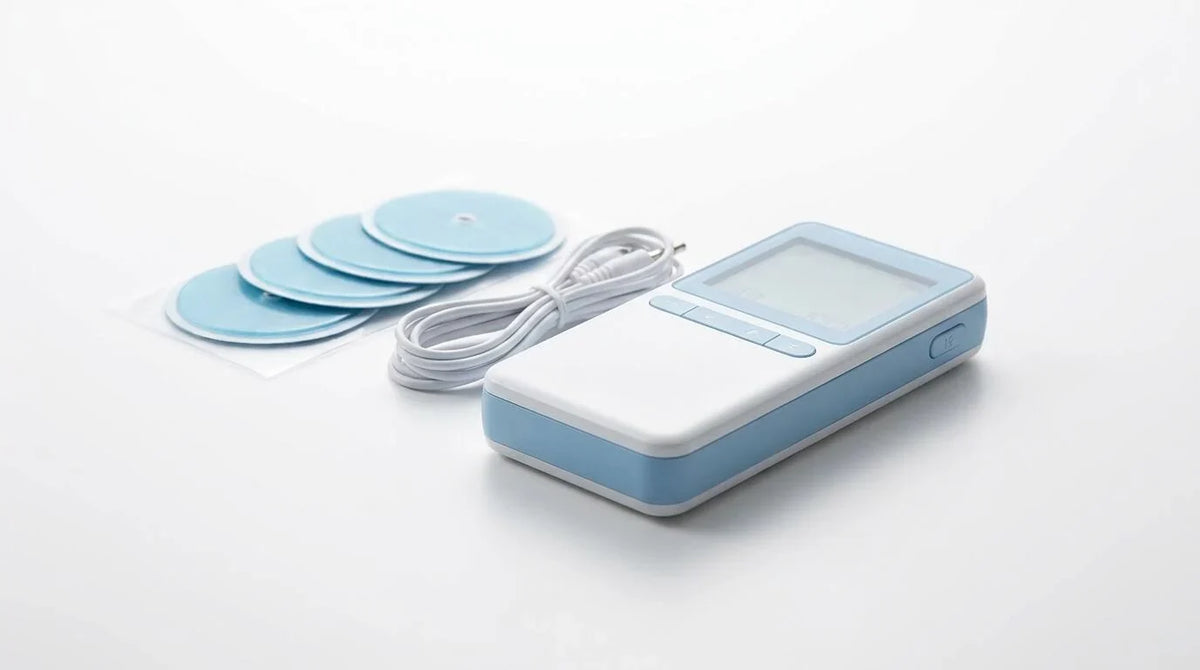
ALT: iStim WeTrac best portable TENS unit for chronic pain relief and home use electrotherapy
Is the iStim WeTrac the Best Portable TENS Unit for Chronic Pain Relief?
Key Conclusion: The iStim WeTrac stands out as one of the best portable TENS units for home use, offering professional-grade electrotherapy in a compact, user-friendly design. Whether you're managing chronic back pain, neck tension, or post-workout muscle soreness, this device delivers clinically inspired relief without drugs. Based on thousands of verified user experiences and the technology behind it, this iStim WeTrac review concludes it's a compelling, evidence-backed choice for everyday pain management.
Living with chronic pain is exhausting — physically, emotionally, and financially. For the millions of adults dealing with persistent back pain, neck stiffness, arthritis, or muscle fatigue, the search for effective, drug-free relief is ongoing. Over-the-counter medications can lose their edge over time, and clinical appointments aren't always accessible or affordable. That's where a well-designed home electrotherapy device steps in.
The iStim WeTrac has emerged as a popular option in this growing category, earning praise from athletes, post-rehab patients, and everyday users alike. In this article, we'll examine whether the WeTrac can genuinely help with chronic pain — breaking down how it works, who it's best suited for, and how to use it effectively.
Who Should Consider the iStim WeTrac?
✅ Applicable Scenarios:
- Adults with chronic pain conditions such as lower back pain, neck and shoulder tension, sciatica, or arthritis who are seeking a non-pharmaceutical daily management tool
- Athletes and fitness enthusiasts looking for a portable electrotherapy device to accelerate muscle recovery between training sessions
- Post-rehabilitation patients who have completed formal physical therapy and want to continue progress at home with a professional-grade TENS unit
- Office workers and individuals with sedentary lifestyles experiencing repetitive strain or postural muscle fatigue
- Health-conscious individuals who prefer evidence-based, drug-free wellness solutions over prescription or over-the-counter pain medications
❌ Not Applicable/Cautions:
- Individuals with implanted electronic devices such as pacemakers or defibrillators should not use TENS therapy without explicit clearance from their cardiologist
- Those with active skin conditions, open wounds, rashes, or infections at the intended electrode placement sites should avoid use until the area has healed
- Pregnant individuals should consult a healthcare provider before using any electrotherapy device
- TENS therapy is not a substitute for emergency medical care or treatment of serious underlying conditions — always work with a qualified healthcare professional for diagnosis and treatment planning
Understanding Chronic Pain and the Case for TENS Therapy
Chronic pain is defined by most clinical guidelines as pain persisting for three months or longer. It affects an estimated 20% of adults in the United States, according to data from the Centers for Disease Control and Prevention (CDC), making it one of the most prevalent public health challenges today. For many sufferers, the cycle of dependence on analgesics — with their associated side effects and diminishing returns — makes the appeal of drug-free alternatives particularly strong.
Transcutaneous Electrical Nerve Stimulation, or TENS, has been used in clinical settings for decades. The therapy works by delivering low-level electrical impulses through electrode pads placed on the skin near a pain site. These impulses interact with the body's nervous system in two primary ways. First, they can activate the "gate control" mechanism described in pain science literature — essentially interrupting pain signals before they reach the brain. Second, at certain frequencies, TENS stimulation can encourage the release of endorphins, the body's natural pain-modulating chemicals.
What has changed dramatically in recent years is the accessibility of this technology. Devices once confined to physical therapy clinics and hospitals are now available in compact, consumer-friendly formats — and the iStim WeTrac represents one of the more polished entries in this space. For a deeper look at how the WeTrac measures up against user expectations, the iStim WeTrac Review: Is It Worth Buying for Pain Relief? offers an in-depth breakdown from both a technical and practical standpoint.
The home TENS market has grown substantially as consumers increasingly seek to move healthcare management into their own hands. Portability, ease of use, and professional-grade output are now the benchmarks by which these devices are evaluated — and the WeTrac was designed with all three in mind.
How to Use the iStim WeTrac for Chronic Pain: A Practical Guide
Three-Step Quick Start
Step 1: Prepare Your Skin and Place the Electrode Pads
Before starting your session, clean and dry the area of skin where you plan to apply the electrodes. Proper skin preparation ensures good electrical conductivity and maximizes the effectiveness of each session. Position the electrode pads on either side of the pain area — not directly over the spine, joints, or broken skin. For neck and shoulder pain, for instance, pads are typically placed on the muscle belly of the trapezius on each side of the upper back. Refer to the included placement guide for body-specific diagrams. This step takes approximately two to three minutes.
Step 2: Connect the Device and Select Your Mode
Attach the electrode lead wires to the pads and plug them into the iStim WeTrac unit. Power on the device and begin at the lowest intensity setting. The WeTrac offers multiple pre-set modes designed to address different pain profiles — from continuous stimulation for acute discomfort to burst and modulation modes for chronic conditions. Select the mode most appropriate for your pain type and gradually increase the intensity until you feel a comfortable, tingling sensation. You should never experience sharp pain or muscle spasms at the correct intensity level.
Step 3: Run Your Session and Monitor Your Response
A standard TENS session typically runs between 20 and 30 minutes, though this can vary based on individual needs and the specific mode selected. During the session, remain relaxed in a comfortable seated or lying position. Many users choose to use the WeTrac during light rest, reading, or watching television. After the session, turn off the device before removing the electrode pads. Note how your pain levels respond in the hours following treatment, and adjust intensity and duration accordingly in future sessions — always within the device's recommended guidelines.
Comparing Chronic Pain Relief Approaches: How Does TENS Fit In?
Managing chronic pain rarely involves a single solution. Most clinicians recommend a multimodal approach, and understanding where a home TENS device like the WeTrac fits within that framework can help set realistic expectations.
The following comparison reflects general characteristics of commonly used approaches. For personalized treatment recommendations, always consult a qualified healthcare professional.
| Comparison Dimension | iStim WeTrac (TENS) | Over-the-Counter Pain Medication | In-Clinic Physical Therapy |
|---|---|---|---|
| Drug-Free | ✅ Yes | ❌ No | ✅ Yes |
| Usable at Home | ✅ Yes | ✅ Yes | ❌ No (clinic-based) |
| Ongoing Cost | Low (reusable device) | Recurring purchase cost | Per-session fees |
| Side Effect Risk | Very low when used correctly | Gastrointestinal, liver risk with long-term use | Minimal with qualified practitioner |
| Portability | High — compact design | High — pills are portable | Not portable |
| Customizable Intensity | ✅ Multiple modes and levels | ❌ Fixed dosage | ✅ Therapist-adjusted |
| Suitable for Daily Use | ✅ Yes | Caution advised with long-term use | Limited by access and cost |
This comparison highlights why so many chronic pain sufferers are turning to portable electrotherapy devices as a core component of their daily wellness routine. The WeTrac, in particular, bridges the gap between clinical-quality TENS therapy and the convenience of at-home use.
What Makes the iStim WeTrac a Standout Home TENS Device?
Professional-Grade Output in a Portable Form Factor
One of the primary concerns users have when transitioning from clinical TENS therapy to a home device is whether consumer-grade units can match the quality and effectiveness of professional equipment. The iStim WeTrac was engineered to address this gap directly.
iStim's manufacturing is ISO-certified, meaning the production process meets internationally recognized standards for quality and consistency. This matters because the reliability of electrical output — in terms of waveform accuracy, intensity calibration, and mode consistency — directly affects therapeutic outcomes. A device that delivers unstable or imprecise stimulation may underperform or, in rare cases, cause discomfort.
The WeTrac is designed to deliver precise, adjustable electrical impulses across multiple therapeutic modes. This versatility allows users to tailor each session to their specific pain pattern — something that was previously possible only in a clinical setting with a licensed therapist's guidance.
Designed for Real-Life Portability
The term "portable" is often used loosely in the wellness device category. The iStim WeTrac was genuinely engineered with mobility in mind. Its compact profile means it can be used during a lunch break at the office, while traveling, or during a rest period at the gym. This real-world usability is one of the most frequently cited advantages in user reviews, and it directly supports consistent use — which is key to managing chronic pain effectively.
For a comprehensive look at how the device performs in daily use scenarios, the Does iStim WeTrac Really Work? Complete Review and User Guide provides detailed insights from verified users across a range of pain conditions and lifestyles.
Addressing Neck, Shoulder, and Back Pain Specifically
The iStim WeTrac is particularly well-regarded among users managing neck and shoulder pain — one of the most common chronic pain presentations in working adults. Prolonged desk work, poor posture, and stress-related muscle tension all contribute to this type of discomfort, and it's an area where TENS therapy has demonstrated meaningful benefit in clinical literature.
Users report that consistent use of the WeTrac for neck and shoulder pain helps reduce the frequency and intensity of tension headaches, improves range of motion over time, and provides immediate short-term relief during flare-ups. Similar feedback comes from those using the device for lower back pain and post-exercise muscle soreness.
For those specifically investigating whether this device is the right choice for their situation, the Best Portable TENS Unit Reviews: Why iStim WeTrac Stands Out offers a side-by-side look at how this device compares to others in the portable TENS category.
Electrode Pad Quality and Longevity
An often-overlooked factor in TENS device performance is the quality of the electrode pads. Poor-quality pads lose adhesion quickly, conduct electricity unevenly, and may cause skin irritation. iStim's electrode accessories are designed to complement the WeTrac's output specifications, ensuring consistent contact and conductivity throughout each session. Replacement pads are readily available through iStim's accessory line, making the long-term cost of ownership manageable.
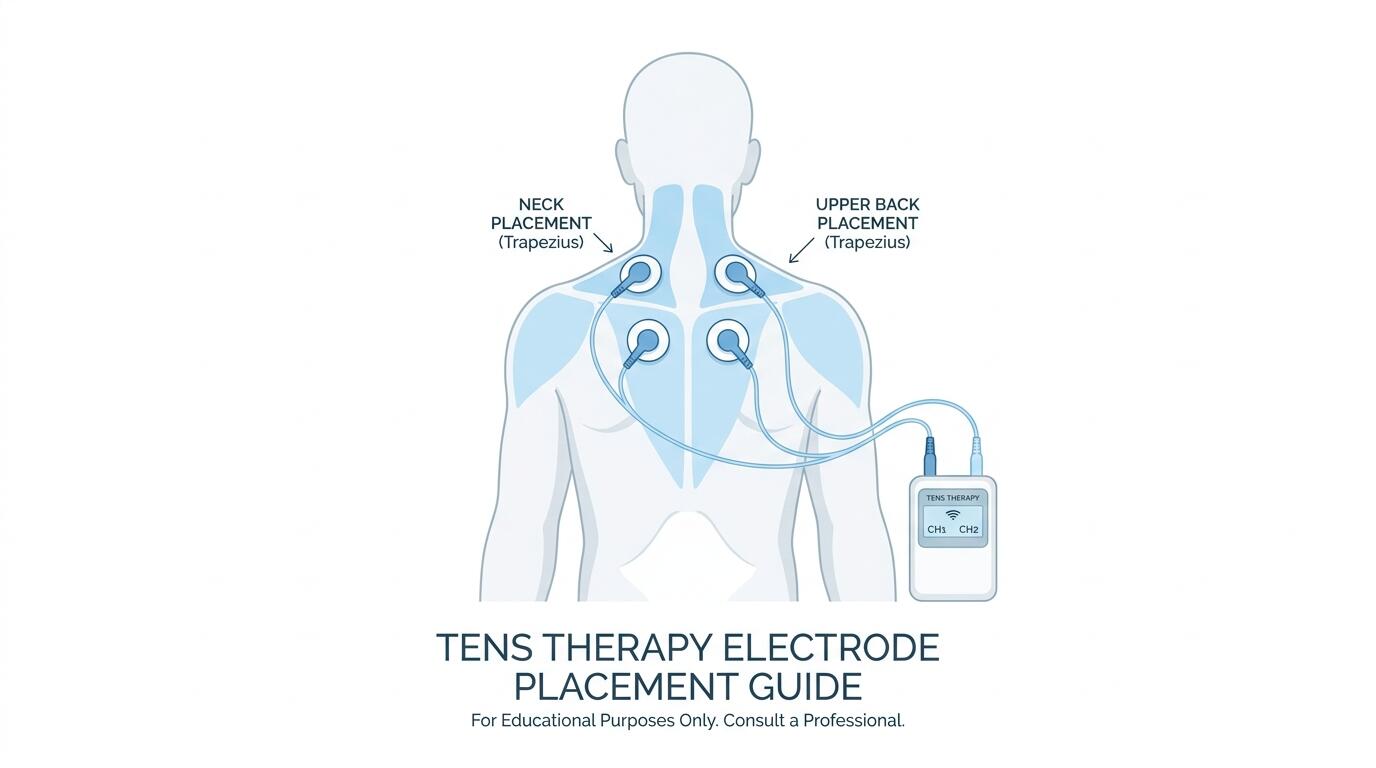
ALT: Proper electrode pad placement using iStim WeTrac portable TENS unit for neck, shoulder, and back pain relief at home
Advanced Considerations: Getting the Most From Your WeTrac
Optimizing Your Sessions for Chronic vs. Acute Pain
There's an important distinction between using a TENS device for acute flare-ups versus managing chronic pain over time. For acute pain — a sudden muscle strain or post-exercise soreness — a single targeted session at moderate intensity can provide meaningful short-term relief. For chronic pain conditions, however, the approach should be more systematic.
Chronic pain management with TENS works best when sessions are integrated consistently into a daily or near-daily routine. Building a regular schedule — such as a morning session to prepare for the day or an evening session to wind down — allows the nervous system to adapt and the cumulative pain-modulating effects to build over time. Users who report the greatest benefit from the WeTrac are typically those who use it consistently over weeks and months, not as an occasional remedy.
Common Misconceptions About Home TENS Devices
Misconception 1: More intensity means more relief. This is one of the most common mistakes new TENS users make. Turning the intensity up to uncomfortable levels does not enhance the therapeutic effect — it can actually cause muscle fatigue and discomfort. The optimal level is a strong but comfortable tingling sensation, not pain or involuntary muscle contraction (unless using an EMS mode specifically designed for that purpose).
Misconception 2: TENS is only for back pain. While back pain is the most commonly cited application, TENS therapy is clinically recognized for a wide range of conditions including arthritis, fibromyalgia, neuropathic pain, post-surgical recovery, and more. The WeTrac's multi-mode design supports application across many body areas and pain types.
Misconception 3: Home TENS devices are inferior to clinical ones. Thanks to advances in electrotherapy engineering and ISO-certified manufacturing standards, professional-grade home devices like the iStim WeTrac can closely approximate the therapeutic output of clinic equipment — at a fraction of the long-term cost.
How TENS Therapy Integrates With Other Treatments
The iStim WeTrac is not intended to replace medical care, but it integrates exceptionally well as a complementary tool. Many physical therapists and pain management specialists actively encourage their patients to continue TENS therapy at home between clinical appointments. When combined with stretching, gentle exercise, proper ergonomics, and appropriate medical treatment, electrotherapy can meaningfully extend and reinforce the benefits achieved in clinical settings.
Frequently Asked Questions
Q1: How do I know which TENS mode to use for my type of chronic pain?
The iStim WeTrac features multiple pre-set modes, each designed for different pain profiles. As a general guideline, continuous mode works well for localized acute pain, while modulation or burst modes are often preferred for chronic conditions as they prevent the nervous system from adapting to a single repeating signal. If you're unsure which mode suits your condition best, consult your healthcare provider or physical therapist — they can offer personalized guidance based on your pain history and diagnosis.
Q2: Is it safe to use the iStim WeTrac every day for chronic pain management?
For most healthy adults without contraindications, daily use of the iStim WeTrac is considered safe when used according to the manufacturer's guidelines. iStim's devices are built to ISO-certified manufacturing standards and are designed for consistent home use. However, it's important to give the skin adequate rest between sessions, rotate electrode placement sites to prevent skin irritation, and follow session duration recommendations. Always consult your healthcare provider if you have any underlying conditions before beginning a daily electrotherapy routine.
Q3: How long does it take to notice results from using the iStim WeTrac for chronic pain?
Results vary by individual and condition. Many users report immediate or same-session relief from acute pain flare-ups. For chronic pain management, meaningful improvement is often observed within two to four weeks of consistent use, though this timeline can vary based on pain type, severity, session frequency, and individual physiology. The key is consistency — treating TENS therapy as a regular wellness habit rather than an occasional intervention tends to yield the most sustained results.
Summary
Chronic pain is a complex, deeply personal experience — and managing it effectively requires tools that are both clinically credible and genuinely practical for daily life. The iStim WeTrac delivers on both counts, making it one of the most compelling options in the portable electrotherapy space.
Three core takeaways from this review stand out:
First, the science is sound. TENS therapy is a well-established, evidence-backed modality with decades of clinical application. The WeTrac brings this technology into the home with ISO-certified precision, ensuring users receive a therapeutic-quality experience every session.
Second, portability and usability matter for consistency. Chronic pain management only works when the tools you use fit realistically into your life. The WeTrac's compact, intuitive design removes friction from the routine — making it easy to use at home, at work, or on the go.
Third, it's a long-term investment in drug-free wellness. Compared to the recurring cost and potential side effects of pharmaceutical pain management, a professional-grade home TENS unit represents a sustainable, body-friendly alternative that puts control back in your hands.
If you're living with chronic pain and looking for a smarter, safer way to manage it day-to-day, the iStim WeTrac deserves a serious look.
Ready to take control of your pain relief and muscle wellness from the comfort of home? Explore iStim's full range of professional-grade TENS, EMS, and Kegel devices at https://istim.com/ and find the right drug-free solution tailored to your needs. Join 20,000+ satisfied customers who trust iStim for safe, effective, and clinically inspired electrotherapy — no prescription required.
References
- Centers for Disease Control and Prevention (CDC). "Chronic Pain Among Adults — United States."
https://www.cdc.gov/mmwr/volumes/67/wr/mm6736a2.htm - National Institute of Neurological Disorders and Stroke (NINDS). "Chronic Pain: Hope Through Research."
https://www.ninds.nih.gov/health-information/patient-caregiver-education/hope-through-research/chronic-pain-hope-through-research - Johnson, M.I. "Transcutaneous Electrical Nerve Stimulation (TENS)." Wikiversity Journal of Medicine, 2014.
https://www.ncbi.nlm.nih.gov/pmc/articles/PMC6169027/ - American Physical Therapy Association (APTA). "Physical Therapist's Guide to Chronic Pain."
https://www.choosept.com/guide/physical-therapy-guide-chronic-pain - Melzack, R. & Wall, P.D. "Pain Mechanisms: A New Theory." Science, 1965. Referenced via National Institutes of Health PubMed.
https://pubmed.ncbi.nlm.nih.gov/5320816/
Note: Standards may be updated; please check the latest official documents or consult professional advisors.
About iStim
iStim is a Los Angeles-based electrotherapy brand specializing in professional-grade TENS, EMS, and Kegel devices for home use, built on ISO-certified Taiwanese manufacturing and trusted by over 20,000 Amazon customers for drug-free pain relief and muscle stimulation. Learn more at https://istim.com/.
Disclaimer: This article is provided for informational and educational purposes only and does not constitute medical advice. The content is produced in partnership with iStim and reflects the brand's expertise in electrotherapy and wellness. Always consult a qualified healthcare professional before beginning any new treatment or therapy program. © iStim. All rights reserved.