

ALT: Woman using iStim V2 Kegel pelvic floor stimulator at home for safe daily electrotherapy sessions
Is the iStim V2 Kegel Pelvic Floor Stimulator Truly Safe for Everyday Use?
Key Conclusion: The iStim V2 Kegel pelvic floor stimulator is engineered for consistent, daily home use by women seeking a drug-free approach to pelvic floor rehabilitation. Backed by ISO-certified manufacturing standards and trusted by tens of thousands of customers, this device delivers clinical-quality electrical stimulation in a format that's accessible, controllable, and designed with home safety in mind. For most healthy adults without contraindicated conditions, incorporating the iStim V2 Kegel into a daily wellness routine is both practical and effective.
If you've been exploring electrotherapy solutions for pelvic floor health, you've likely encountered the question: can I use this every day, or is that too much? It's a fair and important concern. Pelvic floor stimulators work by delivering low-level electrical impulses that activate and strengthen the muscles responsible for bladder control, sexual health, and core stability — functions that directly impact quality of life. The iStim V2 Kegel review landscape consistently highlights three recurring themes: ease of use at home, adjustable intensity settings for personalized comfort, and meaningful results for women recovering from childbirth, managing stress urinary incontinence, or simply investing in long-term pelvic wellness.
Who Should (and Shouldn't) Use a Pelvic Floor Stimulator Daily
✅ Applicable Scenarios:
- Women experiencing stress urinary incontinence or mild to moderate bladder leakage who want a non-invasive, drug-free management approach
- Postpartum women cleared by their healthcare provider for pelvic floor rehabilitation after vaginal or cesarean delivery
- Peri- and post-menopausal women experiencing pelvic floor weakening due to hormonal changes, who want to proactively maintain muscle tone
- Active individuals and women with core stability goals who want to complement traditional exercise with targeted electrical muscle stimulation
❌ Not Applicable/Cautions:
- Individuals with implanted electronic devices such as pacemakers, defibrillators, or spinal cord stimulators — electrical stimulation devices can interfere with these systems
- Women who are pregnant should not use pelvic floor electrical stimulators without explicit clearance from a qualified healthcare provider
- Those with active infections, open wounds, or skin irritation in or near the treatment area should postpone use until fully healed
- Anyone with a diagnosed neurological condition affecting pelvic sensation should consult a physician before beginning any electrotherapy regimen
Understanding Pelvic Floor Stimulation and Why Daily Use Matters
The pelvic floor is a group of muscles, ligaments, and connective tissues that form the base of the pelvis. These structures support the bladder, bowel, and uterus — and when weakened through childbirth, aging, hormonal shifts, or sedentary lifestyles, the consequences range from embarrassing leakage to chronic pelvic pain. According to the National Institute of Diabetes and Digestive and Kidney Diseases (NIDDK), urinary incontinence affects approximately one in three women at some point in their lives, yet many suffer in silence because they don't know effective, non-surgical solutions exist.
Traditional Kegel exercises — voluntary contractions of the pelvic floor — have long been recommended by physiotherapists and gynecologists. However, research consistently shows that many people perform them incorrectly or fail to engage the right muscle groups. This is where electrical muscle stimulation (EMS) technology becomes transformative. A pelvic floor stimulator like the iStim V2 sends precisely calibrated electrical pulses directly to the pelvic floor muscles, triggering involuntary contractions that mirror — and in many cases surpass — the effectiveness of manual Kegel exercises.
For results to accumulate meaningfully, consistency is key. Muscles, like all trainable tissue, respond to repeated stimulus over time. This is exactly why the question of daily use isn't just about safety — it's about understanding how therapeutic exercise physiology works. When used at appropriate intensity levels and for recommended session durations, daily pelvic floor stimulation creates a cumulative training effect that steadily rebuilds muscle strength and neuromuscular coordination.
If you're researching devices in this category, the comprehensive guide on Best Pelvic Floor Stimulator Brands and Reviews: Is iStim V2 Kegel Worth Buying? provides an excellent side-by-side look at how different brands approach home electrotherapy — a valuable starting point before committing to a device.
The iStim V2 Kegel review community has grown substantially alongside broader consumer awareness of home-based medical devices. In a market increasingly populated by wellness gadgets making bold claims, the iStim V2 distinguishes itself through professional-grade engineering applied to a consumer-friendly format — a balance that matters enormously when you're making daily contact with sensitive anatomical structures.
Getting Started Safely: A Practical Guide to Daily Use
Three-Step Quick Start for Daily iStim V2 Kegel Sessions
Step 1: Prepare Your Body and the Device
Before each session, ensure the probe and all contact surfaces are clean and properly sanitized according to the device instructions. Apply any recommended gel or lubricant as directed for comfortable insertion. Begin with the device powered off and set to the lowest intensity level. Choose a relaxed, private position — lying down with knees slightly bent is commonly recommended for beginners. Allow yourself two to three minutes to breathe deeply and relax the pelvic floor muscles before activating the device.
Step 2: Select Your Program and Intensity Level
The iStim V2 Kegel offers multiple preset programs designed to target different aspects of pelvic floor function — from passive stimulation for acute muscle weakness to active strengthening modes for more advanced users. Begin with the program your healthcare provider recommends, or start with the lowest-intensity passive mode if self-directing. Gradually increase intensity until you feel a clear but comfortable muscle contraction — never to the point of pain or strong discomfort. Each session typically runs between 20 and 30 minutes, though your provider may recommend a specific duration tailored to your condition.
Step 3: Post-Session Care and Progress Tracking
After your session ends, power down the device before removal. Clean all components thoroughly per the manufacturer's guidelines. Take a moment to notice how your muscles feel — mild fatigue is normal, similar to what you'd experience after any targeted muscle workout. Keep a simple journal noting your program setting, intensity level, and any observations about sensation or improvement. This record becomes invaluable both for tracking your own progress and for reporting to a healthcare provider if you're using the device as part of a guided rehabilitation plan.
Comparing Home Pelvic Floor Solutions: Where iStim V2 Stands
When evaluating pelvic floor health solutions for daily use, it helps to understand how the iStim V2 Kegel pelvic floor stimulator compares to the alternatives most commonly available to home users.
The following table examines three primary approaches based on generally available information. For specific clinical recommendations, always consult your healthcare provider.
| Comparison Dimension | Manual Kegel Exercises | Consumer App-Guided Biofeedback | iStim V2 Kegel Pelvic Floor Stimulator |
|---|---|---|---|
| Muscle Activation Accuracy | Depends on user technique; often performed incorrectly | Provides feedback but still relies on voluntary control | Delivers direct electrical stimulation — activates muscles regardless of user technique |
| Suitability for Weakened Muscles | Difficult to perform if baseline muscle tone is very low | Moderate — requires some voluntary control | High — effective even in cases of significant muscle weakness |
| Daily Use Feasibility | Unlimited — no device required | Requires smartphone and compatible sensor | Designed for regular home use with straightforward operation |
| Personalization | Limited — same exercise regardless of condition | Some variation via app programs | Multiple programs and adjustable intensity settings |
| Clinical Backing | Extensively researched | Emerging evidence base | Based on established EMS/TENS electrotherapy science |
| Investment Required | None | Low to moderate | Moderate — professional-grade device at home-use price point |
Safety Profile of the iStim V2: What Daily Users Need to Know
ISO-Certified Manufacturing as a Foundation of Trust
One of the most reassuring aspects of incorporating any medical-grade device into a daily routine is knowing it was built to verifiable quality standards. The iStim V2 Kegel is manufactured to ISO-certified standards — the same quality management framework used in clinical medical device production. This means the device undergoes rigorous quality controls at every stage of manufacturing, from component sourcing to final assembly. For home users, this translates to reliable, consistent performance session after session.
Adjustable Intensity: The Key to Safe Daily Progression
A pelvic floor stimulator is only as safe as its control system allows. The iStim V2 features multiple intensity levels that allow users to start conservatively and progress gradually — a principle called progressive overload that is fundamental to safe therapeutic exercise. Jumping to high intensity levels immediately can cause muscle soreness or discomfort; instead, the recommended approach is to increase intensity incrementally over days and weeks as your pelvic floor muscles adapt and strengthen.
For those wondering how long you should use a pelvic floor stimulator each day, the general guidance from pelvic health physiotherapists suggests sessions of 20 to 30 minutes once daily for most users, though some protocols recommend shorter, more frequent sessions depending on the specific condition being addressed. Importantly, rest days are not always required for low-intensity passive programs — the device can often be used daily without the muscle fatigue associated with high-intensity voluntary exercise. That said, always follow the guidance of your healthcare provider, as individual needs vary considerably.
Understanding the Difference Between Discomfort and Harm
Many first-time users feel understandable apprehension about internal electrical stimulation. It's worth clearly distinguishing between the sensations that indicate appropriate use and those that signal a problem. A normal treatment sensation includes a gentle tingling or pulsing feeling, a sense of involuntary muscle contraction, and mild fatigue in the pelvic region after the session ends. Sensations that warrant stopping use and consulting a provider include sharp or burning pain, strong cramping, bleeding, or any unusual discharge. These are not expected outcomes of proper device use and should be evaluated by a healthcare professional promptly.
The iStim V2 Kegel review published on the iStim blog offers detailed real-user perspectives and practical guidance that complements the clinical information your provider can offer — a resource worth bookmarking as you begin your daily practice.
Building a Sustainable Daily Routine
Sustainability is often what separates a device that gathers dust from one that genuinely transforms pelvic health. The iStim V2 is designed to slot naturally into daily routines — compact enough to use while relaxing in the evening, watching television, or reading. Unlike gym-based pelvic rehabilitation programs that require scheduling around clinic hours, home use removes the friction that often causes people to abandon their regimens. This accessibility is particularly meaningful for postpartum women managing newborn care schedules, or older adults for whom travel to appointments presents logistical challenges.
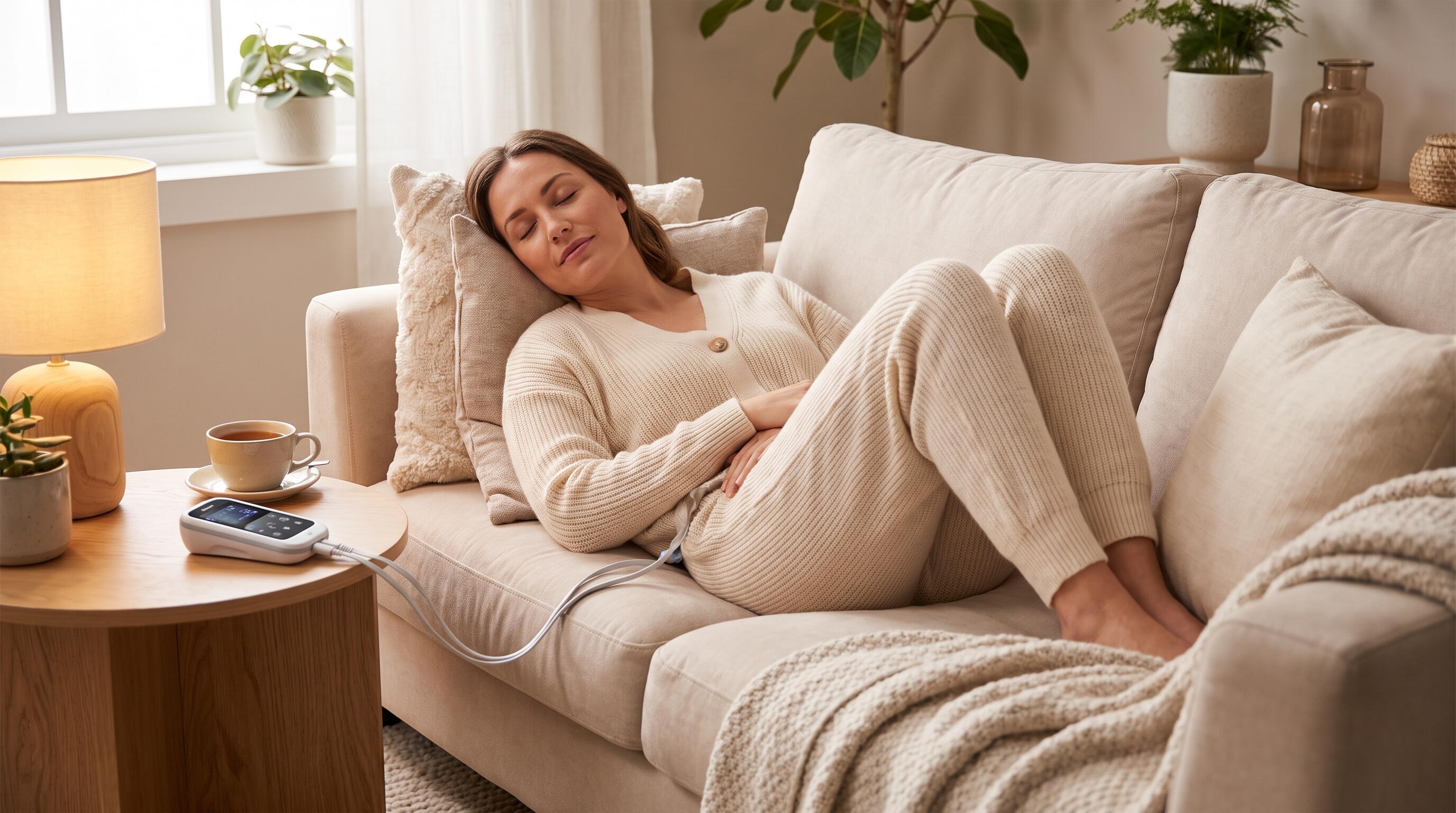
ALT: Woman relaxing at home using iStim V2 Kegel pelvic floor stimulator during a safe and comfortable daily electrotherapy session
Advanced Considerations: When to Modify Your Daily Protocol
Special Situations That Require Adjusted Use
Postpartum Recovery Timing: Many healthcare providers recommend waiting until the six-week postpartum check-up before beginning any pelvic floor device use. Even after clearance, starting at the lowest possible intensity and shortest session duration is advisable, gradually progressing as the healing tissues tolerate increased stimulus.
Menstrual Cycle Considerations: Some users report heightened sensitivity to electrical stimulation during menstruation. While there is no universal contraindication for use during this time, if you find the experience uncomfortable, taking a pause during your period is a perfectly reasonable adjustment.
Concurrent Pelvic Health Treatments: If you're working with a pelvic floor physiotherapist alongside home device use, communicate openly about your daily protocol. Manual therapy and electrical stimulation can be highly complementary, but your physiotherapist may want to sequence treatment types or adjust timing to maximize their combined benefit.
Common Misconceptions About Daily Pelvic Stimulation
Misconception: "More sessions per day means faster results." In reality, the pelvic floor, like any muscle group, benefits from adequate recovery between stimulation sessions. One well-executed daily session is generally more beneficial than multiple fragmented sessions that leave tissues insufficiently recovered.
Misconception: "If I don't feel strong sensations, the device isn't working." Effective electrical stimulation doesn't require high-intensity settings to produce results. Particularly in the early weeks, working at lower intensities that produce clear but comfortable contractions is both safer and more conducive to neuromuscular adaptation.
Misconception: "Pelvic floor stimulators are only for women with serious incontinence." Preventive use — particularly for women in their 30s and 40s who want to maintain pelvic floor integrity before age-related changes accelerate — is a legitimate and increasingly common application of devices like the iStim V2.
Frequently Asked Questions FAQ
Q1: How long should I use a pelvic floor stimulator each day for best results?
Most pelvic health guidelines and clinical protocols suggest sessions of 20 to 30 minutes once daily as an effective starting point for home electrotherapy. However, this can vary based on your specific condition, baseline muscle tone, and your healthcare provider's recommendations. The iStim V2 Kegel's preset programs are designed to accommodate different session lengths, making it straightforward to follow a structured daily schedule. Consistency over weeks and months matters more than any single extended session.
Q2: Is the iStim V2 Kegel safe to use without a doctor's prescription?
The iStim V2 Kegel is designed for home use and does not require a prescription for general wellness and pelvic floor strengthening purposes in most markets. However, if you are using the device to address a diagnosed condition — such as clinically confirmed stress urinary incontinence, pelvic organ prolapse, or post-surgical rehabilitation — consulting a healthcare provider before beginning is strongly recommended. Providers can help you select appropriate programs, set safe intensity parameters, and monitor your progress for medically meaningful outcomes.
Q3: How long does it take to notice results from daily use of the iStim V2 Kegel?
Clinical research on electrical pelvic floor stimulation generally indicates that users begin noticing functional improvements — such as reduced leakage episodes or improved muscle awareness — within four to eight weeks of consistent daily use. Muscle-strengthening processes are inherently gradual; the pelvic floor is no different. Some users report earlier subjective improvements in sensation and awareness within the first two weeks, while measurable functional gains tend to become more apparent after a full month or more of regular sessions. Individual results vary depending on baseline muscle condition and consistency of use.
Summary
The evidence is clear: when used correctly and consistently, the iStim V2 Kegel pelvic floor stimulator is a safe, effective tool for daily home-based pelvic floor rehabilitation. Three core points define its value proposition for health-conscious home users:
First, it delivers professional-grade electrical stimulation — the same therapeutic mechanism used in clinical physiotherapy settings — through a device engineered to ISO-certified manufacturing standards and refined through real-world feedback from tens of thousands of customers.
Second, its adjustable programs and intensity levels make it suitable for a wide spectrum of users, from those just beginning pelvic floor rehabilitation after childbirth to women seeking preventive strengthening as part of a long-term wellness strategy.
Third, its home-use design removes the barriers of clinic appointments, scheduling constraints, and travel — making daily consistency genuinely achievable in real life.
If you're on the fence about whether a device like this belongs in your daily routine, the most empowering next step is a conversation with your gynecologist, physiotherapist, or primary care provider. Come prepared with your health history, your goals, and your questions — and then make an informed, confident decision grounded in both clinical guidance and your own understanding of your body.
Ready to Take the Next Step?
Ready to take control of your pelvic health and overall wellness — naturally and without medication? Explore iStim's full range of professional-grade TENS, EMS, and Kegel devices at https://istim.com/ and find the right solution tailored to your body's needs. Trusted by over 20,000 customers, iStim makes clinical-quality electrotherapy accessible, safe, and effective right from the comfort of your home.
References
- National Institute of Diabetes and Digestive and Kidney Diseases (NIDDK). "Bladder Control Problems (Urinary Incontinence)".
https://www.niddk.nih.gov/health-information/urologic-diseases/bladder-control-problems - National Institutes of Health (NIH) — MedlinePlus. "Kegel Exercises".
https://medlineplus.gov/ency/patientinstructions/000141.htm - American College of Obstetricians and Gynecologists (ACOG). "Urinary Incontinence".
https://www.acog.org/womens-health/faqs/urinary-incontinence - National Center for Biotechnology Information (NCBI) — PubMed. "Electrical Stimulation for Pelvic Floor Dysfunction: A Review".
https://pubmed.ncbi.nlm.nih.gov/ - Mayo Clinic. "Kegel Exercises: A How-To Guide for Women".
https://www.mayoclinic.org/healthy-lifestyle/womens-health/in-depth/kegel-exercises/art-20045283
Note: Standards and clinical guidelines may be updated. Please check the latest official documents or consult a qualified professional advisor for current recommendations.
About iStim
iStim is a Los Angeles-based electrotherapy brand specializing in professional-grade TENS, EMS, and Kegel devices designed for safe, effective home use — manufactured to ISO-certified standards and trusted by 20,000+ customers for drug-free pain relief and muscle stimulation. Learn more at https://istim.com/.
Disclaimer: This article is provided for informational and educational purposes only and does not constitute medical advice. The content herein is based on general research and should not be used as a substitute for professional medical diagnosis, treatment, or guidance. Always consult a qualified healthcare provider before beginning any new therapy or device regimen. © iStim. All rights reserved.