

ALT: Woman using the best at-home pelvic floor device for women's pelvic health and bladder control
Why Every Woman Deserves an Effective At-Home Pelvic Floor Device
Key Conclusion: Choosing the right at-home pelvic floor device can be a life-changing decision for women dealing with urinary incontinence, pelvic weakness, or postpartum recovery. Today's clinical-grade electronic Kegel trainers bring the effectiveness of professional pelvic floor therapy directly into your home — discreetly, safely, and without recurring clinic costs. Whether you're a new mother, approaching menopause, or simply investing in long-term pelvic wellness, the right device makes all the difference.
Pelvic floor health is one of those topics that affects millions of women yet rarely gets the open conversation it deserves. Weakened pelvic muscles are linked to bladder leakage, reduced core stability, discomfort during intimacy, and lower overall quality of life. The encouraging news? You no longer need to schedule repeated clinic appointments to address these concerns effectively.
Modern electronic pelvic floor stimulators — particularly those using EMS (Electrical Muscle Stimulation) technology — have made it possible to perform targeted, guided pelvic therapy from home. When you choose a professional-grade device backed by clinical research and quality manufacturing, the results can be genuinely transformative. This article walks you through everything you need to know to find the best at-home pelvic floor device for your specific situation.
Who Should Consider a Home Pelvic Floor Trainer
✅ Applicable Scenarios:
- Women experiencing mild to moderate stress urinary incontinence (leaking when coughing, sneezing, or exercising)
- Postpartum women looking to restore pelvic muscle tone after vaginal or cesarean delivery
- Perimenopausal and postmenopausal women managing age-related pelvic floor weakening
- Women who want to enhance pelvic strength for improved core stability and sexual wellness
- Individuals who have completed pelvic floor physical therapy and want a maintenance solution at home
- Fitness-conscious women integrating pelvic floor training into a broader wellness routine
❌ Not Applicable/Cautions:
- Women who are currently pregnant (electrical stimulation devices are generally not recommended during pregnancy without direct physician supervision)
- Individuals with implanted electronic devices such as pacemakers or defibrillators
- Women with active pelvic infections, open wounds, or certain gynecological conditions — always consult a healthcare provider first
- Those who have recently undergone pelvic surgery without clearance from their surgeon
Understanding the Pelvic Floor Problem — and Why Home Devices Are Gaining Ground
The pelvic floor is a group of muscles, ligaments, and connective tissues that form a hammock-like structure at the base of the pelvis. These muscles support the bladder, bowel, and uterus, and they play a critical role in continence, posture, and sexual function.
According to the National Institutes of Health (NIH), pelvic floor disorders affect approximately one in three women in the United States at some point in their lives. Urinary incontinence alone impacts hundreds of millions of women globally, yet a significant proportion never seek treatment — often due to embarrassment, time constraints, or the perceived complexity and cost of clinical intervention.
This is where the growing category of home-use pelvic floor trainers steps in. Traditional Kegel exercises — the manual contraction and release of pelvic muscles — have long been recommended by clinicians. However, research has repeatedly shown that a large percentage of women perform Kegels incorrectly, targeting the wrong muscle groups and seeing limited results. Without biofeedback or guided stimulation, it's difficult to know whether you're engaging the right muscles at the correct intensity.
Electronic pelvic floor devices solve this problem elegantly. Using EMS technology, these devices deliver gentle, precisely calibrated electrical impulses through an internal probe, directly stimulating pelvic floor muscle contractions. This passive activation means even women who cannot voluntarily contract their pelvic muscles effectively — a common issue after childbirth or surgery — can begin rebuilding strength from day one.
If you're weighing your options between different training approaches, our in-depth comparison of the Best Kegel Trainer for Women: EMS vs Manual Kegels provides a detailed breakdown of how electronic stimulation compares to traditional manual exercises in terms of efficacy, ease of use, and long-term results.
The market for home pelvic floor devices has expanded rapidly, driven by increased consumer awareness, telehealth growth, and the broader movement toward self-managed healthcare. What was once available only in specialized physiotherapy clinics is now accessible to any woman with a quality home device — and that democratization of pelvic healthcare is genuinely meaningful.
How to Get Started: A Three-Step Quick-Start Guide and Device Comparison
Three-Step Quick Start for At-Home Pelvic Floor Training
Step 1: Choose the Right Device for Your Needs
Not all pelvic floor devices are created equal. Before purchasing, identify your primary goal: is it bladder control improvement, postpartum recovery, or general pelvic strengthening? Look for devices that offer adjustable intensity levels, clinically validated EMS technology, and comfortable, body-safe probe materials. A device like the iStim V2 is designed specifically for home users who want professional-grade stimulation without the complexity of clinic equipment. Allow yourself time to research and compare features — this is an investment in your long-term health.
Step 2: Set Up, Prepare, and Begin a Gentle Routine
Once you have your device, start with the lowest intensity setting and gradually increase as your muscles adapt — this is essential for both safety and effectiveness. Most pelvic floor EMS devices require a small amount of water-based gel on the probe for optimal conductivity. Begin with short sessions (follow your device's recommended guidelines), ideally once daily or as directed. Consistency matters far more than session length; a brief, regular routine will outperform occasional intensive sessions every time.
Step 3: Track Progress and Adjust Over Time
Pelvic floor rehabilitation is a gradual process. Keep a simple log — noting any changes in bladder control, muscle awareness, or comfort. Most women begin noticing meaningful improvements within several weeks of consistent use, though individual timelines vary based on starting condition and adherence. If your device offers multiple program modes (as quality EMS units do), experiment with different settings as your fitness level improves. When in doubt, revisit your healthcare provider to assess progress and refine your program.
Comparing Your At-Home Pelvic Floor Training Options
There are several approaches women can take to address pelvic floor weakness at home. Understanding how they compare helps you make a confident, informed choice.
| Comparison Dimension | Manual Kegel Exercises | Kegel Balls / Weighted Trainers | Electronic EMS Pelvic Floor Devices |
|---|---|---|---|
| Correct Muscle Targeting | Difficult without guidance; high error rate | Moderate — provides some resistance feedback | High — directly stimulates correct muscles |
| Suitable for Severe Weakness | Limited effectiveness | Limited effectiveness | Well-suited; works even with poor voluntary control |
| Ease of Use at Home | No equipment needed, but technique dependent | Simple to use, moderate guidance | Requires device setup; easy once learned |
| Adjustable Intensity | Not applicable | Limited (weight-based only) | Yes — multiple programmable levels |
| Postpartum/Recovery Use | Can be started early but results vary | Generally not recommended immediately postpartum | Clinically used in rehabilitation settings |
| Consistency & Motivation | Relies entirely on user discipline | Moderate | Device-guided programs support adherence |
| Cost | Free | Low one-time cost | Moderate one-time investment; saves on clinic visits |
What Makes iStim's Kegel Devices Stand Out
Clinical-Grade EMS Technology Designed for Real Women
iStim's pelvic floor devices are built around the same core EMS technology used in professional physiotherapy settings — made accessible for everyday home use. The iStim V2, for example, is a purpose-built women pelvic floor trainer that delivers targeted electrical muscle stimulation through a specially designed probe, guiding your pelvic muscles through a full contraction-and-relaxation cycle without requiring any voluntary effort on your part.
This is particularly significant for women who are just beginning their rehabilitation journey. After childbirth or prolonged pelvic weakness, the neuromuscular connection between brain and pelvic muscles can become disrupted. EMS bridges that gap, re-educating muscles from the inside out.
For a comprehensive look at whether the iStim V2 is the right fit for your situation, the iStim V2 Review: Who Is It Best For? offers an honest, detailed assessment of the device's strengths, ideal users, and expected outcomes.
Adjustable Intensity for Every Stage of Recovery
One of the most important features in any quality pelvic floor device is the ability to precisely control stimulation intensity. Beginners need a gentle starting point; as muscles strengthen, higher intensity levels ensure continued progress. A device that only offers a fixed or limited range of intensity will plateau in effectiveness — and may even cause discomfort for sensitive users.
iStim devices feature multiple adjustable intensity levels, allowing women to truly personalize their sessions. This adaptability is especially important for finding the best pelvic floor trainer with adjustable intensity that grows with your needs — from initial recovery all the way to advanced strengthening.
ISO-Certified Manufacturing You Can Trust
Trust matters when it comes to any device used internally. iStim's devices are manufactured under ISO-certified standards in Taiwan, reflecting the same quality controls applied to professional medical equipment. For health-conscious consumers who are understandably cautious about placing any device near or inside their body, this certification provides genuine peace of mind.
Combined with a track record of over 20,000 satisfied Amazon customers, iStim's Kegel stimulators represent a credible, validated choice in a market that unfortunately contains many unreliable options.
Discreet, Private, and Convenient
Perhaps one of the most underappreciated benefits of at-home pelvic floor therapy is the privacy it affords. Many women delay seeking pelvic floor treatment precisely because discussing bladder leakage or pelvic weakness — even with a healthcare provider — feels deeply personal. A home device removes that barrier entirely. You can complete your session in the comfort of your own space, on your own schedule, with complete discretion.
This is especially meaningful for busy mothers, working professionals, and women in communities where pelvic health discussions remain stigmatized.
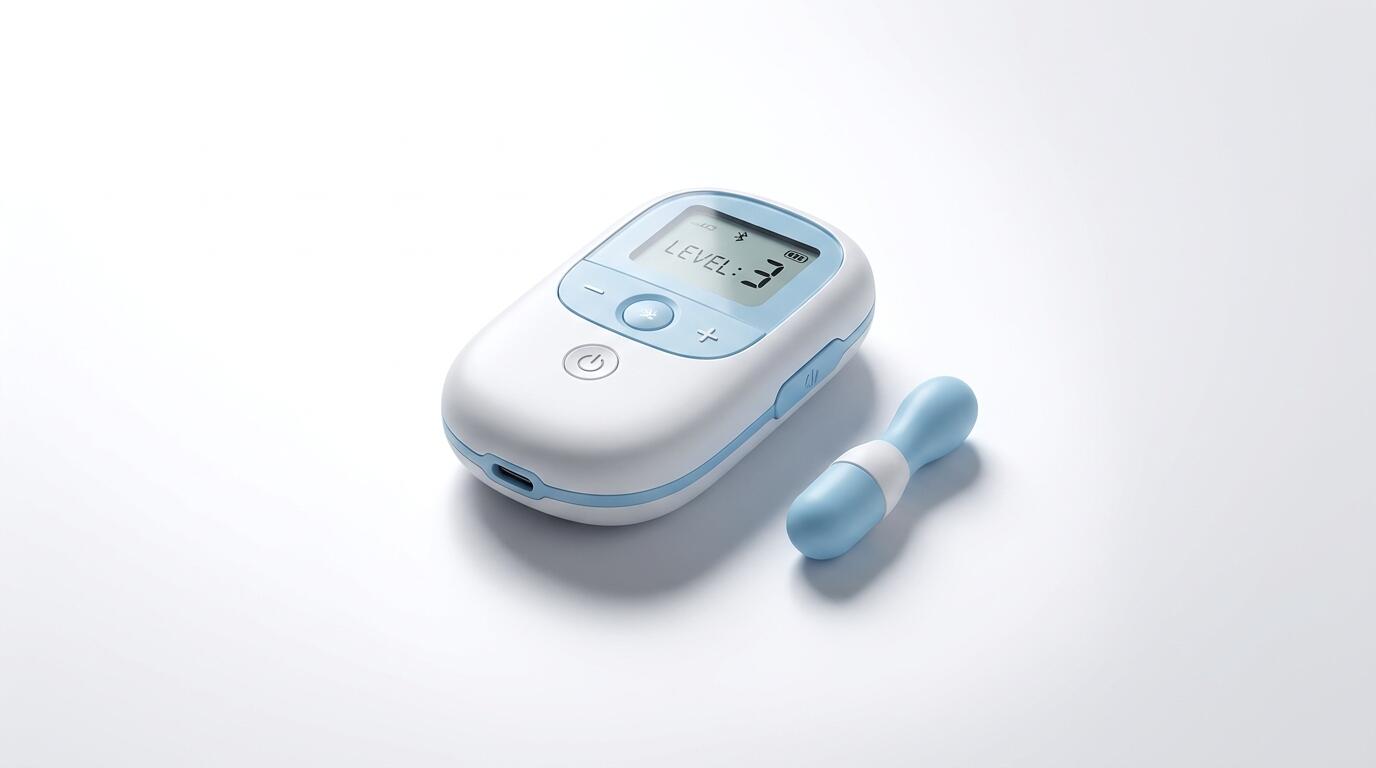
ALT: iStim at-home pelvic floor device with adjustable EMS settings for women's pelvic floor rehabilitation and bladder control
Advanced Considerations: Getting the Most From Your Pelvic Floor Device
Special Situations Worth Knowing
Postpartum Recovery: Many women are eager to begin pelvic floor rehabilitation as soon as possible after delivery. While electronic EMS devices are widely used in clinical postpartum care, it's important to wait until your healthcare provider clears you for internal device use — typically after your postpartum check-up. Once cleared, consistent use can significantly accelerate the recovery of pelvic tone. Explore our dedicated guide on the best pelvic floor device for postpartum routines for tailored advice.
Perimenopause and Menopause: Declining estrogen levels during menopause accelerate connective tissue changes throughout the body, including in the pelvic floor. Women in this phase often experience a relatively rapid onset of stress incontinence or pelvic organ prolapse symptoms. Beginning an EMS-based home program during perimenopause — even before significant symptoms develop — is a proactive strategy that many pelvic health specialists now recommend.
Combining EMS With Manual Kegels: These approaches are not mutually exclusive. In fact, many pelvic floor physiotherapists recommend using an EMS device initially to re-establish neuromuscular connection, then gradually incorporating voluntary Kegel exercises as awareness and strength improve. The two methods become complementary rather than competing.
Common Misconceptions to Address
"Kegel devices are only for women with serious incontinence." Not true. Pelvic floor strength benefits virtually every woman — for core stability, sexual health, and long-term continence prevention. Many women use home pelvic floor trainers proactively, well before symptoms appear.
"If I do enough manual Kegels, I don't need a device." This is only partially true. Manual Kegels are beneficial, but studies consistently show that a significant number of women perform them incorrectly. An EMS device eliminates the guesswork, especially for beginners.
"All pelvic floor devices work the same way." The quality, stimulation range, probe design, and program sophistication vary enormously between products. Choosing a professionally engineered device from a manufacturer with verified quality standards — rather than a low-cost, unverified alternative — makes a meaningful difference in both safety and outcomes.
Frequently Asked Questions FAQ
Q1: How long does it take to see results from an at-home pelvic floor device?
Most women begin noticing early improvements — such as reduced urgency or fewer leakage episodes — within four to six weeks of consistent use, though this varies based on the severity of pelvic floor weakness and individual physiology. Significant, lasting improvements in muscle tone and bladder control typically emerge with continued use over several months. The key is consistency: even short daily sessions are more effective than sporadic longer ones. Always follow your device's recommended program schedule for best results.
Q2: Is an electronic pelvic floor stimulator safe to use at home without professional supervision?
For most healthy women without contraindications, clinically designed home EMS pelvic floor devices are considered safe for unsupervised use when manufacturer instructions are followed carefully. Devices from quality-certified manufacturers — such as iStim, with its ISO-certified manufacturing — are engineered with built-in safety parameters including intensity limits and protective design features. That said, women with pelvic organ prolapse, recent pelvic surgery, implanted electronic devices, or active pelvic conditions should always consult their healthcare provider before beginning any electrostimulation program.
Q3: How does an at-home EMS pelvic floor device compare in cost to clinical pelvic floor therapy?
Pelvic floor physiotherapy sessions at a clinic can range from moderately to significantly expensive depending on your location and insurance coverage, and a full course of treatment typically involves multiple sessions over weeks or months. A quality home EMS pelvic floor device represents a one-time investment that can be used indefinitely — making it substantially more cost-effective over time. While in-clinic therapy offers personalized professional assessment, a home device provides an excellent complement or maintenance solution, particularly for women who have completed an initial course of clinical treatment.
Summary
Pelvic floor health is foundational to women's overall wellbeing — and it's a dimension of health that too many women quietly manage without adequate support or tools. The good news is that the barrier to effective, evidence-based pelvic floor rehabilitation has never been lower.
Here are the three core takeaways from this guide:
1. Electronic EMS devices outperform manual exercises for many women. Especially for those with significant weakness, postpartum recovery needs, or difficulty engaging pelvic muscles voluntarily, an EMS-based at-home device delivers guided, accurate stimulation that manual Kegels simply cannot replicate.
2. Quality and safety standards matter enormously. In a market filled with inexpensive, unverified options, choosing a device backed by ISO-certified manufacturing and a demonstrated customer track record — like iStim's lineup — is a meaningful distinction for your health and safety.
3. Consistency and personalization are the keys to results. The best at-home pelvic floor device is the one you use regularly, at the right intensity for your body. Features like adjustable intensity levels and multiple program modes ensure your device can grow with your progress rather than plateau early.
Your next step is simple: assess your specific goals (bladder control, postpartum recovery, or proactive strengthening), consult your healthcare provider if you have any underlying concerns, and invest in a device that is built to deliver real, clinical-quality results at home.
Ready to Take the First Step Toward Stronger Pelvic Health?
Ready to take control of your pelvic floor health from the comfort of home? Explore iStim's full lineup of professional-grade EMS and Kegel devices at https://istim.com/ and find the right drug-free solution tailored to your needs. Trusted by over 20,000 customers and built to clinical standards, iStim is here to help you move, feel, and live better — every day.
References
- National Institutes of Health (NIH). "Pelvic Floor Disorders".
https://www.nichd.nih.gov/health/topics/pelvicfloor - National Association for Continence (NAFC). "Pelvic Floor Exercises and Electrical Stimulation".
https://www.nafc.org/kegel-exercises - American College of Obstetricians and Gynecologists (ACOG). "Pelvic Support Problems".
https://www.acog.org/womens-health/faqs/pelvic-support-problems - National Center for Biotechnology Information (NCBI) / PubMed. "Electrical Stimulation for Urinary Incontinence in Women: A Systematic Review".
https://pubmed.ncbi.nlm.nih.gov/ - Mayo Clinic. "Kegel Exercises: A How-To Guide for Women".
https://www.mayoclinic.org/healthy-lifestyle/womens-health/in-depth/kegel-exercises/art-20045283
Note: Standards and clinical guidelines may be updated. Please check the latest official documents or consult a qualified healthcare professional for current recommendations.
About iStim
iStim is a Los Angeles-based electrotherapy brand specializing in professional-grade TENS, EMS, and Kegel devices engineered for safe, effective home use — backed by ISO-certified Taiwanese manufacturing and trusted by 20,000+ Amazon customers for drug-free pain relief and muscle stimulation. Learn more at istim.com.
Disclaimer: This article is provided for informational and educational purposes only and does not constitute medical advice. The content is produced in partnership with iStim and reflects general wellness information. Always consult a qualified healthcare professional before beginning any new therapy or treatment program. iStim is not responsible for any actions taken based on the information presented in this article.