
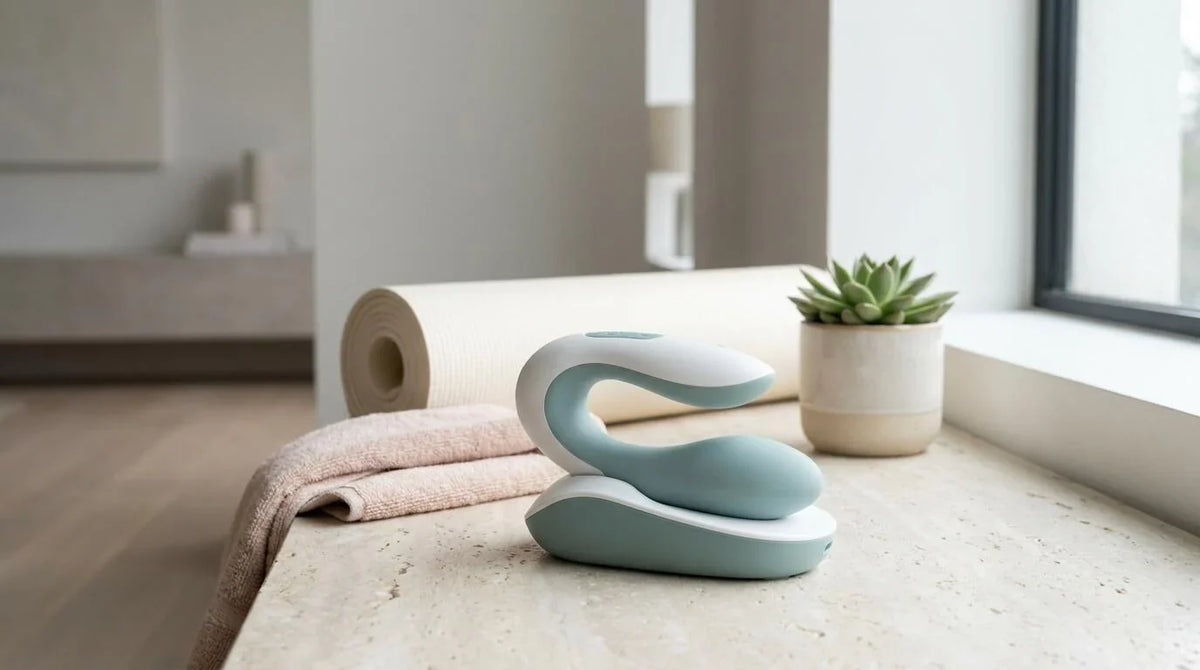
ALT: Best automatic Kegel exercise device for women providing pelvic floor muscle stimulation at home
Why an Automatic Kegel Exercise Device May Be the Pelvic Floor Solution You've Been Looking For
Key Conclusion: An automatic Kegel exercise device takes the guesswork out of pelvic floor training by delivering precisely timed electrical muscle stimulation directly to the muscles that matter most. Unlike manual exercises that rely on correct technique and consistent effort, these devices ensure that every session is effective — making them an ideal drug-free, non-invasive solution for women managing urinary incontinence, postpartum recovery, or pelvic floor weakness.
Millions of women quietly struggle with pelvic floor dysfunction — a condition that can manifest as stress urinary incontinence, pelvic organ prolapse, reduced intimate sensation, or general core instability. Despite how common it is, many women feel uncertain about whether they're performing Kegel exercises correctly, or they simply don't maintain enough consistency to see meaningful improvement. This is precisely where an automatic Kegel exercise device steps in as a game-changer.
These devices use gentle electrical pulses — typically delivered through an EMS pelvic floor trainer mechanism — to contract and relax the pelvic floor muscles automatically, without requiring you to consciously engage them. The result is a clinically informed, hands-free approach to pelvic floor rehabilitation that fits into a busy lifestyle.
Who This Guide Is For
✅ Applicable Scenarios:
- Postpartum women experiencing pelvic floor weakness or mild urinary leakage after childbirth
- Perimenopausal and menopausal women dealing with reduced muscle tone and bladder control
- Active adults and athletes looking to strengthen their pelvic floor as part of a broader core training regimen
- Women who have attempted manual Kegel exercises without consistent results or are unsure of proper technique
- Individuals seeking a drug-free, at-home alternative to pelvic floor physical therapy
❌ Not Applicable/Cautions:
- Women who are pregnant (electrical stimulation devices are generally not recommended during pregnancy without direct medical supervision)
- Individuals with implanted electronic devices such as pacemakers or neurostimulators
- Those with active pelvic infections, open wounds, or recent pelvic surgery — always consult a healthcare provider before beginning any pelvic floor device regimen
Understanding Pelvic Floor Dysfunction and the Rise of At-Home Electrotherapy
Pelvic floor dysfunction is far more prevalent than most people realize. According to the National Institutes of Health, approximately one in three women will experience a pelvic floor disorder at some point in their lifetime — encompassing conditions such as urinary incontinence, pelvic organ prolapse, and chronic pelvic pain. Despite this prevalence, the subject remains underreported, and many women delay seeking help due to embarrassment or a lack of awareness about available treatments.
Traditionally, pelvic floor rehabilitation has been the domain of specialized physical therapists who guide patients through targeted muscle engagement exercises. While highly effective, clinic-based pelvic floor therapy is not always accessible — it requires regular appointments, can be costly over time, and may not be available in all geographic areas. This accessibility gap has driven significant growth in the at-home pelvic floor device market.
Over the past decade, technological advancements in electrical muscle stimulation (EMS) have made it possible to replicate clinically informed training protocols in compact, consumer-friendly devices. An automatic Kegel device designed for home use now offers women a practical pathway to pelvic floor strengthening that is private, convenient, and evidence-backed.
What distinguishes an automatic device from simply doing Kegel exercises on your own? The core difference lies in precision and consistency. Research has consistently shown that a significant percentage of women — some studies suggest more than 30% — perform Kegel exercises incorrectly when instructed without professional guidance. They may inadvertently engage the wrong muscle groups, bear down instead of lifting, or simply not sustain the effort long enough to produce meaningful neuromuscular adaptation. An automatic device eliminates these variables by directly stimulating the targeted muscles through controlled electrical impulses, ensuring that the correct muscles receive the appropriate training stimulus every session.
The growing demand for at-home electrotherapy solutions has also been shaped by a broader cultural shift toward proactive, personalized wellness. Today's health-conscious consumers — particularly women in the 30–65 age range — are increasingly seeking non-pharmaceutical options that empower them to manage their health on their own terms, in their own time, and in the comfort of their own homes. Automatic Kegel exercise devices sit at the intersection of this wellness movement and evidence-based rehabilitative medicine.
How to Get Started: A Practical Three-Step Guide to Using an Automatic Kegel Device
Step 1: Prepare Your Device and Environment
Before your first session, take time to thoroughly review the device instructions, ensure the device is fully charged or has fresh batteries, and familiarize yourself with the control interface. Find a private, comfortable space where you can lie down or sit in a relaxed position. Apply any necessary conductive gel to the device or electrode pads as directed. Set your initial intensity to the lowest available level — you should feel a gentle tingling or light muscle contraction, not discomfort. Allowing five to ten minutes for this preparation step sets the foundation for a safe, productive session.
Step 2: Insert and Activate the Device
Once you are in a comfortable position, gently insert the probe according to the device's instructions. Take a few slow, deep breaths to allow your pelvic floor muscles to relax fully before activating the stimulation. Turn on the device and gradually increase the intensity to a level where you feel clear muscle contractions but no pain. Most automatic Kegel devices cycle through contraction and rest phases automatically — your role is simply to remain relaxed and allow the device to do the work. A typical session lasts between fifteen and thirty minutes, depending on the program selected.
Step 3: Track Progress and Maintain Consistency
Pelvic floor rehabilitation is a process that unfolds over weeks, not days. After each session, note how the experience felt — whether you were able to tolerate a higher intensity level, whether you noticed less urinary urgency during the day, or whether your core felt stronger during exercise. Many women begin noticing meaningful improvements within four to eight weeks of consistent use, typically three to five sessions per week. Keeping a simple log and gradually progressing intensity levels as your strength builds will help you stay motivated and ensure continued neuromuscular adaptation over time.
Comparing Pelvic Floor Strengthening Approaches: Which Method Is Right for You?
Not every woman will approach pelvic floor training the same way, and it's worth understanding how the primary options compare before committing to a regimen. The table below outlines the key differences between manual Kegel exercises, clinic-based pelvic floor physical therapy, and using an automatic Kegel exercise device at home.
| Comparison Dimension | Manual Kegel Exercises | Pelvic Floor Physical Therapy | Automatic Kegel Device (e.g., iStim) |
|---|---|---|---|
| Muscle Targeting Accuracy | Variable — relies on correct technique | High — guided by trained therapist | High — electrical stimulation directly targets pelvic floor |
| Consistency of Stimulation | Dependent on user discipline | Consistent during clinic sessions only | Consistent every session, user-controlled |
| Convenience & Privacy | Fully private, no equipment needed | Requires clinic visits and scheduling | Private at-home use, available anytime |
| Cost Over Time | Free | Ongoing clinic fees | One-time or low recurring cost |
| Suitability for Beginners | Challenging without guidance | Excellent but not always accessible | Excellent — device manages the technique |
| Drug-Free & Non-Invasive | Yes | Yes | Yes |
| Professional-Grade Performance | No | Yes | Yes — with ISO-certified devices like iStim |
This comparison makes clear that an automatic Kegel exercise device occupies a uniquely powerful position: it combines the clinical effectiveness of professionally guided stimulation with the convenience, privacy, and accessibility of a home-use product.
What Makes the Best Automatic Kegel Exercise Device — and How iStim Delivers
When evaluating what qualifies as the best automatic Kegel exercise device, several key criteria consistently emerge from clinical literature and consumer experience alike.
Clinical-Grade Stimulation with Adjustable Intensity
The foundation of any effective pelvic floor device is its ability to deliver precise, well-tolerated electrical stimulation. A high-quality automatic Kegel device should offer multiple intensity levels so users can begin gently and progress over time as their pelvic floor strengthens. Devices that rely on ISO-certified manufacturing processes — as iStim's products do — adhere to rigorous quality and safety standards that ensure consistent pulse delivery across every session. This matters because underpowered or inconsistent stimulation may fail to elicit meaningful muscle contractions, while poorly regulated devices could cause discomfort.
iStim's Kegel devices are engineered with professional-grade EMS technology, the same foundational mechanism used in clinical settings, now made accessible for home users. The brand's commitment to ISO-certified Taiwanese manufacturing ensures that every unit meets exacting standards for electrical safety, output consistency, and device longevity — providing users with genuine clinical-quality performance at home.
Multiple Program Modes for Progressive Training
The best automatic Kegel devices don't offer a one-size-fits-all approach. Look for devices with multiple preset programs that target different aspects of pelvic floor function — from endurance training that builds sustained muscle tone to fast-twitch stimulation that addresses stress incontinence triggered by coughing, sneezing, or movement. Progressive programming allows users to evolve their training as they gain strength, preventing the plateau effect that can occur when any exercise routine becomes too routine.
Ergonomic, Body-Safe Design
Comfort and safety are non-negotiable for a device used in such an intimate application. The best devices are designed with body-safe, medical-grade materials, and shaped ergonomically to ensure comfortable insertion and secure positioning during electrical stimulation. A device that is uncomfortable to use will simply not be used consistently — and consistency is the single most important factor in achieving pelvic floor rehabilitation outcomes.
Ease of Use for All Experience Levels
One of the most significant barriers to pelvic floor rehabilitation is the technical learning curve. An automatic Kegel device should be intuitive enough for a first-time user to navigate confidently, with clear controls, a straightforward interface, and accessible user instructions. iStim has specifically designed its Kegel line to be approachable for everyday home users — no clinical background required — while delivering the professional-level output that makes each session genuinely therapeutic.
Trusted Track Record and Customer Support
With more than 20,000 satisfied Amazon customers, iStim has established a proven track record that many newer entrants to the pelvic floor device market cannot match. This depth of real-world user experience reflects not only product effectiveness but also the brand's commitment to customer education, support, and long-term satisfaction.
A Practical Example:
Consider a 38-year-old mother of two who began experiencing stress urinary incontinence after her second delivery. She attempted manual Kegel exercises for several months but found it difficult to know whether she was engaging the right muscles, and results were inconsistent. After beginning a regimen with an automatic Kegel device — set to a gentle program three times per week — she noticed a meaningful reduction in leakage episodes within six weeks, and by the end of three months reported feeling significantly more confident during exercise and daily activities. Stories like hers reflect the real-world impact that consistent, properly targeted pelvic floor stimulation can have.

ALT: Woman comfortably using an automatic Kegel exercise device for pelvic floor strengthening and urinary incontinence relief at home
Advanced Considerations: Getting the Most from Your Pelvic Floor Training
Addressing Common Misconceptions
Misconception 1: "If I can do Kegels manually, I don't need a device."
While manual Kegel exercises are beneficial, research consistently shows that a large proportion of women perform them incorrectly without professional guidance. An automatic Kegel device ensures the right muscles are stimulated with the right timing, intensity, and frequency — removing the uncertainty that undermines manual efforts for many users.
Misconception 2: "Automatic Kegel devices are only for older women or severe cases."
Pelvic floor training is preventive as much as rehabilitative. Athletes, younger postpartum women, and wellness-focused individuals in their thirties can all benefit from structured pelvic floor conditioning — and an automatic device makes consistent training easier to maintain regardless of age or severity of symptoms.
Misconception 3: "Results happen quickly or not at all."
Neuromuscular rehabilitation takes time. Most clinical protocols recommend a minimum of six to twelve weeks of consistent use before assessing outcomes. Patience and progressive intensity increases are key to sustainable improvement.
Integrating Kegel Device Training with Broader Pelvic Health
For optimal outcomes, consider pairing your automatic Kegel device sessions with complementary practices: diaphragmatic breathing exercises that coordinate with pelvic floor engagement, core strengthening movements such as dead bugs or bridges, and mindful hydration and bladder habits. If you are working with a pelvic floor physical therapist, sharing your device training schedule with your provider allows for an integrated approach that maximizes therapeutic benefit.
When to Consult a Healthcare Provider
If you experience pain during device use, a worsening of incontinence symptoms, or new pelvic discomfort, discontinue use and consult a healthcare professional promptly. Automatic Kegel devices are designed as supportive wellness tools, not replacements for medical diagnosis or treatment.
Frequently Asked Questions FAQ
Q1: How long does it take to see results from an automatic Kegel exercise device?
Most women begin noticing subtle improvements — such as reduced urinary urgency or fewer leakage episodes — within four to six weeks of consistent use, typically three to five sessions per week. More significant functional gains, including improved muscle tone and better bladder control during physical activity, generally become apparent after eight to twelve weeks. Individual results vary based on baseline pelvic floor condition, session consistency, and the intensity levels used. Tracking progress week-by-week and gradually increasing stimulation intensity can help maintain momentum throughout the training period.
Q2: Is an automatic Kegel exercise device safe to use at home without medical supervision?
For most healthy women, high-quality automatic Kegel devices designed for home use are safe when used according to the manufacturer's instructions. Devices backed by ISO-certified manufacturing — such as those offered by iStim — meet rigorous safety and quality standards. However, women with implanted electronic devices, active pelvic infections, a recent history of pelvic surgery, or who are pregnant should consult a healthcare provider before beginning use. If any discomfort arises during a session, reduce intensity or discontinue use and seek professional guidance.
Q3: How often should I use my automatic Kegel device for best results?
Clinical pelvic floor rehabilitation protocols commonly recommend three to five sessions per week, with individual sessions typically lasting fifteen to thirty minutes. Consistency matters far more than frequency — it is better to maintain a moderate, regular schedule than to over-train and risk muscle fatigue or irritation. As pelvic floor strength improves over weeks, gradually increasing intensity levels within the device's range will help ensure continued neuromuscular adaptation. Many women find it helpful to build sessions into an existing daily routine, such as before bed or during a relaxation period.
Summary
Pelvic floor health is a foundational component of overall wellbeing — affecting bladder control, core stability, intimate wellness, and quality of life — yet it remains one of the most underserved areas of women's health. An automatic Kegel exercise device represents a meaningful step forward in making effective, clinically informed pelvic floor training accessible to every woman who needs it.
Three core values stand out for women considering this approach:
First, precision. Electrical muscle stimulation targets the pelvic floor directly, eliminating the guesswork and technique errors that undermine manual exercise efforts.
Second, consistency. An automatic device delivers a reliable training stimulus every session, building neuromuscular strength progressively over time — the cornerstone of any successful rehabilitation outcome.
Third, accessibility. With a professional-grade device at home, women no longer need to schedule repeated clinic appointments or navigate geographic and financial barriers to receive effective pelvic floor training.
If you are ready to take control of your pelvic floor health in a way that is private, drug-free, and clinically credible, the next step is simply to begin. Start at the lowest comfortable intensity, commit to a consistent schedule, and give your body the weeks it needs to respond. The results — fewer leakage episodes, improved core confidence, and a stronger sense of physical wellbeing — are well within reach.
Your Next Step
Ready to take control of your pelvic floor health — naturally and effectively? Explore iStim's full range of professional-grade TENS, EMS, and Kegel devices at https://istim.com/ and find the right solution tailored to your wellness needs. Trusted by over 20,000 customers, iStim makes clinical-quality electrotherapy safe, simple, and accessible from the comfort of your home.
References
- National Institutes of Health, Office of Research on Women's Health. "Pelvic Floor Disorders".
https://www.nichd.nih.gov/health/topics/pelvicfloor - Mayo Clinic. "Kegel Exercises: A How-To Guide for Women".
https://www.mayoclinic.org/healthy-lifestyle/womens-health/in-depth/kegel-exercises/art-20045283 - American College of Obstetricians and Gynecologists (ACOG). "Pelvic Support Problems".
https://www.acog.org/womens-health/faqs/pelvic-support-problems - National Association for Continence (NAFC). "Kegel Exercises for Women".
https://www.nafc.org/kegel-exercises - Bø, K. et al. "Evidence-Based Physical Therapy for the Pelvic Floor." Journal of Physiotherapy (updated clinical guidance available via PubMed).
https://pubmed.ncbi.nlm.nih.gov/
Note: Standards and clinical recommendations may be updated. Please check the latest official documents or consult a qualified healthcare professional for personalized guidance.
About iStim
iStim is a Los Angeles-based electrotherapy brand specializing in professional-grade TENS, EMS, and Kegel devices engineered for home use, backed by ISO-certified Taiwanese manufacturing and trusted by 20,000+ Amazon customers for drug-free pain relief and muscle stimulation. Learn more at istim.com.
© iStim. All rights reserved. This article is provided for informational and educational purposes only and does not constitute medical advice. Always consult a qualified healthcare professional before starting any new therapeutic regimen. Individual results may vary.