

ALT: Woman using a pelvic floor trainer device at home for bladder control and pelvic strengthening routines
Why a Pelvic Floor Trainer Could Be the Most Important Wellness Device You've Never Tried
Key Conclusion: A high-quality pelvic floor trainer offers a clinically informed, drug-free pathway to improved bladder control, reduced leakage, and stronger pelvic musculature. Whether you're navigating postpartum recovery, age-related incontinence, or simply want to invest in your core health, the right pelvic floor training device can deliver measurable, lasting results — safely from the comfort of your home.
Millions of people quietly struggle with bladder control issues, pelvic weakness, or post-pregnancy muscle loss — yet many never seek help because they don't know effective, non-invasive solutions exist. The reality is that the pelvic floor is a group of muscles, and like any muscles, they respond powerfully to consistent, targeted training.
Today, a new generation of home-use pelvic floor trainers — many incorporating electrical muscle stimulation (EMS) technology — brings what was once only available in clinical settings directly to your home. These devices are no longer niche or experimental; they are becoming a mainstream component of proactive pelvic health management.
For those hesitant about medication or frequent specialist visits, a quality pelvic floor trainer represents something profoundly empowering: control over your own body, restored quietly and effectively, on your own schedule.
Who Can Benefit from a Pelvic Floor Trainer — and Who Should Proceed Carefully
✅ Applicable Scenarios:
- Postpartum women experiencing weakened pelvic floor muscles or stress urinary incontinence after childbirth
- Adults over 40 noticing age-related bladder urgency, leakage during physical activity, or reduced muscle tone in the pelvic region
- Athletes and active individuals dealing with stress incontinence triggered by high-impact exercise such as running or jumping
- Women entering perimenopause or menopause, when declining estrogen levels can reduce pelvic muscle elasticity
- Individuals seeking to enhance sexual wellness and pelvic strength as part of an overall fitness routine
- Those in post-surgical recovery from pelvic procedures, under the guidance of a healthcare provider
❌ Not Applicable/Cautions:
- Individuals with pacemakers, implanted defibrillators, or other active electronic implants should not use EMS-based pelvic trainers without physician clearance
- Pregnant women should avoid electrical stimulation devices applied to the pelvic region unless explicitly approved by their obstetrician
- People with known pelvic inflammatory disease, active infections, or open wounds in the application area should consult a healthcare provider before use
- Those experiencing severe pelvic pain without a confirmed diagnosis should seek medical evaluation before beginning any pelvic strengthening program
Understanding Pelvic Floor Weakness and Why Targeted Training Matters
The pelvic floor is a hammock-like network of muscles and connective tissues that spans the base of the pelvis. It supports the bladder, uterus (in women), and rectum, and plays a central role in urinary and bowel continence, sexual function, and core stability. When these muscles weaken — due to pregnancy, childbirth, aging, hormonal changes, obesity, or a sedentary lifestyle — the consequences can be both physically disruptive and emotionally distressing.
Stress urinary incontinence (SUI), the involuntary leakage of urine during activities like coughing, sneezing, laughing, or exercising, is one of the most common manifestations of pelvic floor dysfunction. According to the National Institute of Diabetes and Digestive and Kidney Diseases, urinary incontinence affects approximately 25–33% of Americans, with women disproportionately impacted. Despite its prevalence, many sufferers report feeling embarrassed or resigned — unaware that effective, non-surgical options exist.
Traditional Kegel exercises, first described by Dr. Arnold Kegel in the 1940s, have long been recommended as the cornerstone of pelvic floor rehabilitation. The problem? Most people perform them incorrectly, inconsistently, or without sufficient intensity to produce meaningful improvement. Research consistently shows that without biofeedback or external guidance, many individuals — even those who think they're doing Kegels correctly — are activating the wrong muscles entirely.
This is precisely where a dedicated Kegel exercise device or EMS-based pelvic floor trainer transforms outcomes. By delivering gentle, calibrated electrical pulses directly to the pelvic musculature, these devices ensure that the correct muscles are engaged every single time — eliminating the guesswork and dramatically increasing training effectiveness.
The global pelvic floor health market has expanded significantly in recent years as awareness grows and technology improves. Consumers are increasingly seeking devices that bridge the gap between clinical-grade therapy and practical home use. This shift aligns with broader wellness trends favoring non-pharmaceutical, non-invasive solutions — a movement that brands like iStim have been built to support.
For a deeper understanding of how electrical muscle stimulation works in therapeutic contexts, exploring the science behind EMS and its applications for muscle rehabilitation can provide valuable context for why these devices work so effectively for pelvic training.
How to Choose and Use the Best Pelvic Floor Trainer for Bladder Control Routines
Three-Step Quick Start Guide for Pelvic Floor Training at Home
Step 1: Understand Your Goals and Choose the Right Device
Before selecting a pelvic floor trainer, clarify what you need it to accomplish. Are you primarily addressing stress incontinence, urgency incontinence, or general pelvic weakness? Devices that utilize EMS technology are particularly effective for stimulating involuntary muscle contractions — ideal for those who struggle to isolate pelvic floor muscles voluntarily. Look for a device with multiple program modes (to address both strengthening and relaxation), adjustable intensity levels, and a user-friendly interface. Comfort of the probe or electrode design matters enormously for long-term adherence, so prioritize ergonomic, body-safe materials. Allow yourself one to two weeks to evaluate how a device fits into your routine before expecting significant results.
Step 2: Set Up a Consistent Bladder Control Routine
Consistency is the single most important predictor of success with pelvic floor training. Begin with shorter sessions — many practitioners recommend starting at lower intensity settings and gradually increasing as your tolerance and muscle strength develop. Most programs suggest training several times per week, following the specific protocol outlined in your device's guidelines. Schedule sessions at the same time each day to build habit. Pair your device-assisted training with mindful manual Kegel practice during daily activities — the combination of passive EMS stimulation and active voluntary contractions tends to produce superior outcomes compared to either approach alone.
Step 3: Track Progress and Adjust Over Time
Pelvic floor rehabilitation is a gradual process. Keep a simple bladder diary noting frequency of leakage episodes, urgency sensations, and any improvements in control or confidence. Most users begin to notice meaningful changes within four to twelve weeks of consistent use. If your device offers adjustable programs, progressively challenge yourself by increasing intensity within comfortable limits or switching to more advanced training modes as your baseline strength improves. If you're not seeing expected progress, consult a pelvic floor physical therapist who can assess your technique and recommend adjustments to complement your at-home device routine.
Comparing Pelvic Floor Strengthening Approaches: What Works Best?
Not all pelvic floor training methods deliver equal results. Understanding how different approaches compare helps you make an informed decision — and often, a multi-modal strategy is most effective.
The table below provides a practical comparison of the most common pelvic floor strengthening approaches available to home users and clinical patients:
| Comparison Dimension | Manual Kegel Exercises | EMS Pelvic Floor Trainer | In-Office Physical Therapy |
|---|---|---|---|
| Muscle Activation Accuracy | Low without guidance (many perform incorrectly) | High — device ensures correct muscles contract | High — therapist provides hands-on feedback |
| Consistency & Adherence | Moderate — easy to forget or deprioritize | High — structured sessions with device prompts | Low — requires frequent clinic appointments |
| Cost | Free | Moderate one-time device investment | High — ongoing session fees |
| Accessibility | Anytime, anywhere | Home-based, flexible scheduling | Appointment-dependent, may require travel |
| Suitable for Severe Dysfunction | Limited | Moderate — best for mild to moderate cases | Yes — recommended for complex presentations |
| Drug-Free | Yes | Yes | Yes |
| Learning Curve | High without instruction | Low to moderate with device guidance | Low with professional supervision |
For many individuals with mild to moderate bladder control challenges, an EMS-based pelvic floor trainer offers the best balance of clinical effectiveness, cost-efficiency, and lifestyle compatibility. For those with more significant dysfunction, combining a home device with periodic professional guidance represents the gold standard.
The iStim Approach: Professional-Grade Kegel Devices Designed for Real Life
When evaluating what pelvic floor trainer is best for bladder control routines, the quality and integrity of the device's engineering matter enormously. iStim's Kegel exercise devices are built on the same EMS technology platform that has made the brand a trusted name in electrotherapy — applying precise electrical muscle stimulation to the pelvic floor with the same professional-grade standards as their TENS and EMS product lines.
What sets a professional-grade pelvic floor trainer apart?
First, manufacturing integrity. iStim devices are produced in ISO-certified Taiwanese manufacturing facilities — a distinction that signals adherence to rigorous quality control standards throughout the production process. For a device designed for intimate use and medical-adjacent applications, this level of manufacturing oversight is not a luxury; it is a baseline requirement for safety and reliability.
Second, program versatility. Effective pelvic floor rehabilitation requires more than a single one-size-fits-all stimulation program. The pelvic floor contains both fast-twitch and slow-twitch muscle fibers, each responding to different types of electrical stimulation patterns. A quality trainer offers multiple modes — including programs designed to build endurance, enhance peak contraction strength, and promote muscle relaxation (important for those with hypertonic, or overly tight, pelvic floor muscles).
Third, user experience and comfort. The best intentions collapse without consistent use. iStim's design philosophy prioritizes intuitive operation so that users can focus entirely on their wellness routine rather than navigating complex controls. Adjustable intensity levels allow users to progress safely at their own pace, which is essential for anyone beginning pelvic floor training for the first time.
Real-world scenario: Consider a 38-year-old mother of two who, two years after her second delivery, still experiences leakage when she laughs or sneezes. She has attempted manual Kegels but struggles to isolate the correct muscles and loses motivation within days. After beginning a structured routine with an EMS-based pelvic floor trainer — starting at a comfortable intensity and gradually progressing — she begins to notice reduced leakage episodes within weeks. The device removes the guesswork, provides a measurable training stimulus, and integrates into her morning routine with minimal disruption.
Or consider a 62-year-old man managing post-prostatectomy urinary incontinence, seeking a dignified, discreet way to rebuild pelvic control. EMS-based pelvic floor training is increasingly recognized as a valuable component of rehabilitation for both men and women — a reality that underscores the importance of choosing a device backed by genuine clinical technology rather than consumer novelty.
The key principle: bladder control routines succeed when the training stimulus is accurate, consistent, and progressive — all qualities that a professionally engineered pelvic floor trainer is specifically designed to deliver.
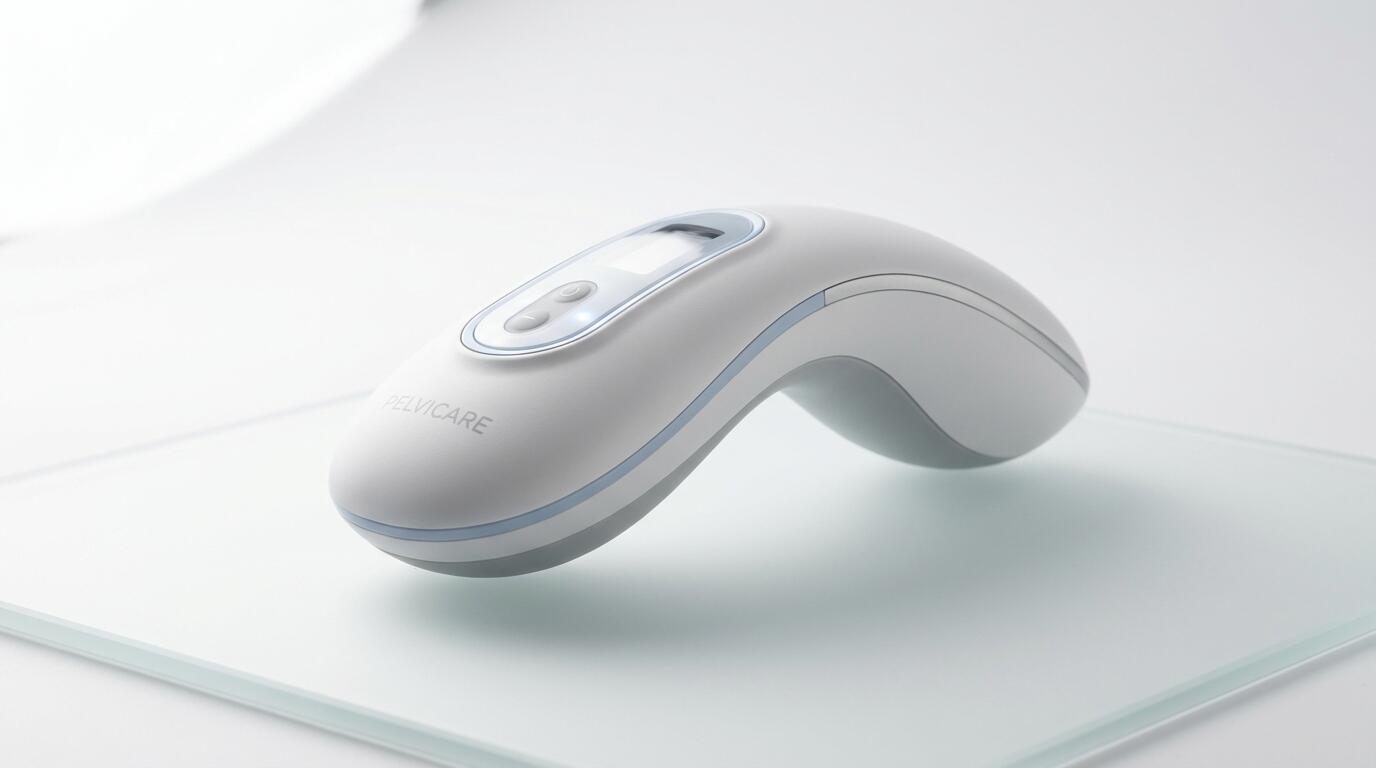
ALT: iStim professional-grade EMS Kegel pelvic floor trainer device designed for home bladder control and pelvic strengthening routines
Advanced Considerations: Getting the Most from Your Pelvic Floor Training Program
Addressing Hypertonic Pelvic Floor — A Commonly Overlooked Condition
Not all pelvic floor problems stem from weakness. A significant subset of individuals — including many who experience chronic pelvic pain, painful intercourse, or urinary urgency — have a hypertonic pelvic floor: muscles that are chronically too tight rather than too weak. Using a strengthening-only EMS program on an already hypertonic floor can worsen symptoms.
If you suspect hypertonia — characterized by pelvic pain, difficulty with penetration, or a sensation of tightness rather than weakness — seek evaluation from a pelvic floor physical therapist before beginning device-based training. Some advanced pelvic trainers include relaxation or downtraining programs specifically designed for this population.
The Myth That Pelvic Floor Training Is Only for Women
This misconception persists despite clear evidence to the contrary. Men benefit significantly from pelvic floor strengthening — particularly those recovering from prostate surgery, managing overactive bladder, or experiencing erectile dysfunction linked to poor pelvic circulation and muscle tone. A quality pelvic floor trainer designed with appropriate probe or electrode configurations for male anatomy can be equally transformative for men as for women.
Combining Pelvic Training with Lifestyle Modifications
EMS-based pelvic floor training is most effective when integrated with broader lifestyle strategies. Maintaining a healthy body weight reduces chronic downward pressure on the pelvic floor. Reducing bladder irritants (caffeine, alcohol, carbonated beverages) can decrease urgency symptoms. Timed voiding strategies — training the bladder to wait progressively longer between bathroom visits — complement the muscular strengthening that devices provide. Together, these approaches address both the structural and behavioral dimensions of bladder control.
Frequently Asked Questions FAQ
Q1: How long does it take to see results from a pelvic floor trainer for bladder control?
Most users engaged in consistent, structured pelvic floor training begin to notice meaningful improvements in bladder control within four to twelve weeks. Early changes — such as reduced leakage frequency or improved ability to delay urination — may appear sooner. The timeline varies based on the severity of pelvic floor dysfunction, training consistency, and device settings. For best results, follow the recommended program protocol and gradually increase intensity as your strength improves. Clinical studies consistently show that adherence is the strongest predictor of outcomes.
Q2: Is it safe to use an EMS pelvic floor trainer at home without professional supervision?
For the majority of healthy adults addressing mild to moderate pelvic floor weakness, home EMS pelvic floor trainers are considered safe when used according to manufacturer instructions. Devices like those from iStim are engineered with adjustable intensity levels and multiple safety features to facilitate appropriate self-directed use. However, individuals with pacemakers, active pelvic infections, pregnancy, or unexplained pelvic pain should consult a healthcare professional before use. Starting at the lowest comfortable intensity and progressing gradually significantly reduces any risk of overexertion.
Q3: How often should I use a pelvic floor trainer to improve bladder control?
Most clinical pelvic floor rehabilitation protocols recommend training sessions several times per week — commonly three to five sessions — for optimal neuromuscular adaptation. Session duration varies by device and program type, typically ranging from fifteen to thirty minutes. Overdoing intensity or frequency early on can lead to muscle fatigue, so follow the progressive approach outlined in your device's guidelines. Consistency over weeks and months, rather than intensive short-term use, produces the most durable improvements in bladder control and pelvic floor strength.
Summary
Building effective bladder control routines begins with understanding the pelvic floor — and equipping yourself with the right tools to train it accurately, consistently, and safely. Three core takeaways anchor everything discussed in this article:
First, pelvic floor dysfunction is far more common than widely acknowledged, affecting people across genders, ages, and life stages — and it responds meaningfully to targeted, evidence-based training.
Second, a professional-grade pelvic floor trainer equipped with EMS technology eliminates the guesswork of manual Kegel exercises, ensuring correct muscle activation and progressive challenge — the two factors most responsible for meaningful improvement in bladder control.
Third, quality matters profoundly in this category. ISO-certified manufacturing, versatile training programs, and intuitive design are not optional extras — they are the features that separate devices that genuinely improve lives from those that simply occupy drawer space.
Your next step is straightforward: identify your specific pelvic floor health goals, choose a device built to professional standards, establish a consistent routine, and commit to the process. The results — greater confidence, reduced leakage, and a stronger sense of bodily autonomy — are worth every session.
Ready to Reclaim Your Pelvic Health?
Ready to take control of your bladder health and pelvic strength — naturally and effectively? Explore iStim's full range of professional-grade TENS, EMS, and Kegel devices at https://istim.com/ and find the right solution tailored to your wellness needs. Trusted by over 20,000 customers, iStim makes clinical-quality electrotherapy safe, simple, and accessible from the comfort of your home.
References
- National Institute of Diabetes and Digestive and Kidney Diseases (NIDDK). "Bladder Control Problems (Urinary Incontinence)".
https://www.niddk.nih.gov/health-information/urologic-diseases/bladder-control-problems - Office on Women's Health, U.S. Department of Health & Human Services. "Urinary Incontinence".
https://www.womenshealth.gov/a-z-topics/urinary-incontinence - American College of Obstetricians and Gynecologists (ACOG). "Pelvic Floor Disorders".
https://www.acog.org/womens-health/faqs/pelvic-floor-disorders - National Association for Continence (NAFC). "Pelvic Floor Muscle Training".
https://www.nafc.org/kegel - PubMed Central / National Institutes of Health. "Pelvic floor muscle training versus no treatment, or inactive control treatments, for urinary incontinence in women".
https://www.ncbi.nlm.nih.gov/pmc/articles/PMC6516955/
Note: Standards and clinical guidelines may be updated. Please consult the latest official documents or a qualified healthcare professional for personalized advice.
About iStim
iStim is a Los Angeles-based electrotherapy brand specializing in professional-grade TENS, EMS, and Kegel devices engineered for home use, backed by ISO-certified Taiwanese manufacturing and trusted by 20,000+ Amazon customers for drug-free pain relief and muscle stimulation. Learn more at istim.com.
© iStim. All rights reserved. This article is provided for informational and educational purposes only and does not constitute medical advice. Always consult a qualified healthcare professional before starting any new therapeutic regimen. Individual results may vary.