
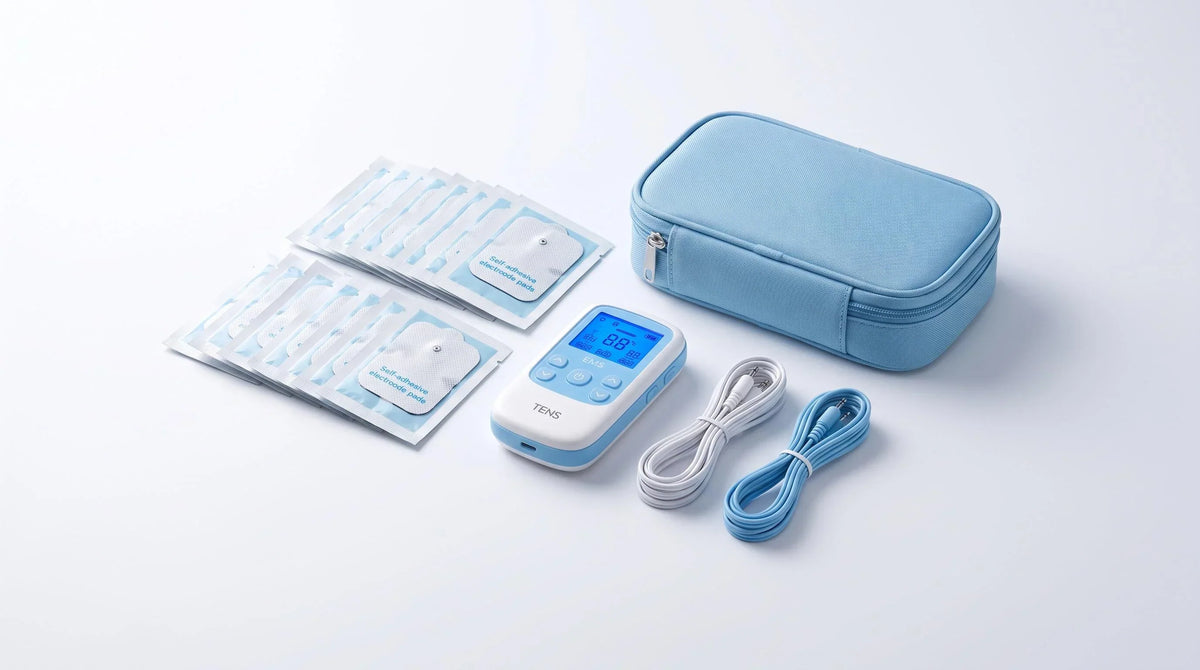
ALT: Professional-grade TENS EMS kit with 24 electrode pads for drug-free pain relief and muscle recovery at home
Why the Right TENS EMS Kit Changes Everything About Home Pain Relief
Key Conclusion: A high-quality TENS EMS kit combines two clinically proven electrotherapy modalities — transcutaneous electrical nerve stimulation (TENS) for pain relief and electrical muscle stimulation (EMS) for muscle recovery — into one device. When paired with a generous supply of electrode pads, such a kit delivers the flexibility, coverage, and cost-effectiveness that serious home users need to address chronic pain, sports recovery, and everyday muscle tension without reaching for pharmaceuticals.
For anyone who has ever juggled multiple single-purpose devices, separate pad purchases, and confusing settings, the appeal of an all-in-one TENS EMS combo is immediate and practical. The right kit consolidates your therapy routine into a single, coherent system — one device, one set of accessories, one learning curve. And when that kit includes a substantial pad supply, such as 24 electrode pads, you gain the freedom to target multiple body regions simultaneously, rotate pads to extend their lifespan, and share the device across family members without constantly reordering supplies.
This guide is designed to walk you through everything you need to know: what makes a TENS EMS kit genuinely effective, how to evaluate your options, how to get started quickly, and why electrode pad count matters more than most buyers realize.
Who This Guide Is For — and Who Should Proceed with Caution
✅ Applicable Scenarios:
- Adults experiencing chronic or acute musculoskeletal pain (back, neck, shoulder, knee, hip) who prefer non-pharmaceutical management
- Athletes and active individuals seeking faster muscle recovery between training sessions using EMS stimulation
- Postpartum women and older adults looking for gentle, home-based physical therapy support
- Individuals who have used single-mode TENS or EMS devices and are ready to upgrade to a combined, more versatile system
- Home users who want professional clinical quality without the recurring cost of physiotherapy appointments
❌ Not Applicable/Cautions:
- Individuals with implanted electronic devices such as pacemakers or defibrillators — electrical stimulation can interfere with these devices
- Pregnant women should not use TENS or EMS devices on the abdomen or lower back without explicit medical approval
- People with active skin conditions, open wounds, or damaged skin in the treatment area should avoid electrode pad placement on affected tissue
- Those diagnosed with epilepsy or certain cardiac conditions should consult a physician before use
The Growing Case for Combining TENS and EMS in One Kit
Electrotherapy is not a new concept — it has been used in clinical rehabilitation settings for decades. What has changed dramatically in recent years is accessibility. Miniaturized electronics, improved electrode materials, and ISO-certified manufacturing standards have made it possible to bring genuinely professional-grade devices into the home at a fraction of clinic costs.
The global electrotherapy market has been expanding steadily, driven in large part by an aging population seeking drug-free pain management, growing awareness of opioid risks, and a broader cultural shift toward proactive, self-managed wellness. Consumers are no longer satisfied with basic, single-channel devices that offer limited customization. They want — and increasingly expect — the same quality of stimulation their physical therapist uses, delivered from their living room.
This is precisely where the TENS EMS kit format has found its audience. Rather than buying a TENS unit for pain and a separate EMS device for muscle recovery, combining both modalities in one system is simply smarter. You manage one device, one charging cycle, one instruction manual. The dual functionality means you can address different therapeutic goals across a single session — relieving a sore lower back with TENS while using EMS to maintain muscle tone in a recovering limb.
Understanding the difference between the two modes is foundational. TENS works by sending low-level electrical pulses that interrupt or override pain signals traveling to the brain — essentially "jamming" the pain pathway. EMS, by contrast, delivers pulses designed to cause actual muscle contractions, mimicking the signals the nervous system uses to activate muscle fibers. This is why EMS is particularly effective for muscle strengthening, recovery, and preventing atrophy. For a deeper dive into how these two modalities compare and when to use each, TENS vs EMS: Which Device Should You Choose? is an excellent place to start.
For a broader overview of the best combo devices available today, the guide on the Best TENS EMS Combo Machine for Home Use provides a comprehensive framework that complements what you'll find here.
How to Get the Most from Your TENS EMS Kit: A Practical Walkthrough
Three-Step Quick Start for First-Time Users
Step 1: Prepare Your Skin and Identify Target Areas
Before attaching any electrode pads, clean the skin thoroughly with mild soap and water, then pat dry. Avoid applying lotions, oils, or creams to the area — residue creates a barrier that reduces conductivity and pad adhesion. Identify the muscle group or pain area you want to treat. For TENS, place pads on either side of the pain site; for EMS, position pads directly over the muscle belly. Take approximately five minutes for this preparation step — it directly affects both comfort and effectiveness.
Step 2: Connect the Pads, Select Your Mode, and Start Low
Attach the lead wires to your electrode pads, then connect them to the device. Select either TENS or EMS mode depending on your therapeutic goal. Always begin at the lowest intensity setting and increase gradually until you feel a comfortable sensation — tingling for TENS, mild muscle twitching for EMS. Never start at high intensity. A standard introductory session typically runs 15 to 20 minutes. If you're using a device like iStim's EV-805, the intuitive interface makes mode selection straightforward even for first-time users.
Step 3: Monitor, Adjust, and Store Properly
During the session, monitor how your body responds. Some mild skin redness after pad removal is normal. If you experience sharp pain, burning, or significant discomfort, stop immediately and reassess pad placement. After your session, carefully peel pads away from skin (not from the wire), fold them back onto their protective film, and store in a cool, dry place. Proper storage dramatically extends pad lifespan — a critical consideration when you're working with a 24-pad supply.
Comparing Your Options: What to Look for in a TENS EMS Kit
When shopping for an electrotherapy combo kit, not all options are created equal. Below is a comparison of the key dimensions that separate entry-level consumer devices from professional-grade home units.
| Comparison Dimension | Basic Consumer TENS Unit | Mid-Range Combo Device | Professional-Grade TENS EMS Kit (e.g., iStim) |
|---|---|---|---|
| Modality Coverage | TENS only | TENS + EMS | TENS + EMS with adjustable parameters |
| Electrode Pad Quantity | 2–4 pads included | 4–8 pads included | Up to 24 pads included |
| Channel Configuration | 1–2 channels | 2 channels | Multi-channel (supports simultaneous multi-area treatment) |
| Manufacturing Standard | Consumer-grade | Varies | ISO-certified Taiwanese manufacturing |
| Mode Variety | Limited presets | Some presets | Multiple clinical modes |
| Pad Replacement Ease | Standard sizing | Varies | Compatible with standard replacement pads |
| Target User | Casual/occasional user | Moderate home use | Athletes, chronic pain sufferers, rehabilitation users |
The electrode pad count is a practical differentiator that many buyers overlook. A kit with only 4 pads forces you to choose a single treatment area per session. A kit with 24 electrode pads fundamentally changes what's possible: you can run multiple channels simultaneously, rotate pads across sessions to reduce wear, and cover larger muscle groups with more precise placement configurations.
For users who want to understand why channel count matters alongside pad count, the article Best 4 Channel TENS Unit: Why Channels Matter offers an in-depth technical perspective worth reading before making a final purchase decision.
Why 24 Electrode Pads Is a Genuine Game-Changer — Not Just a Marketing Number
The question of pad quantity might seem secondary to device performance, but experienced electrotherapy users know better. Here is why a TENS EMS kit that includes 24 electrode pads delivers measurable practical advantages.
Coverage Flexibility Across the Whole Body
Pain and muscle fatigue rarely limit themselves to one convenient location. A runner might need simultaneous treatment on both calves and the lower back. An office worker might address neck tension and mid-back stiffness in the same session. A kit with 24 pads — paired with a multi-channel device — makes true whole-body or multi-site treatment within a single session entirely realistic.
Pad Rotation Extends Overall Lifespan
Electrode pads degrade with repeated use. The gel that creates conductivity becomes less effective over time, particularly if pads are not stored correctly or if they are applied too frequently to the same skin area. With 24 pads in your kit, you can rotate between sets — allowing the gel to recover, extending adhesion quality, and ultimately getting significantly more total sessions from your initial purchase. This rotation strategy is standard practice in clinical settings and easily replicable at home.
Household Sharing Without the Supply Anxiety
Many households include more than one person who could benefit from electrotherapy. When two people share a single device, 24 electrode pads means each person can have their own dedicated set, eliminating hygiene concerns and the frustration of running out of usable pads mid-treatment cycle.
Cost-Per-Session Economics
When you calculate the cost of individual pad replacement packs versus a kit that already includes a generous supply, the math clearly favors the bundled approach. For budget-conscious home users, this is not a trivial consideration — especially for those committing to regular, ongoing therapy rather than occasional use.
For users interested specifically in rechargeable options that further reduce ongoing costs, the resource on the Best Rechargeable TENS EMS Machine with Electrode Pads outlines the financial and practical case in detail.
Practical Application Scenarios
Consider a 55-year-old with chronic lower back pain and knee osteoarthritis. Using a 4-channel device with 8 of the included 24 pads, they can run TENS simultaneously on both sides of the lumbar spine and both knees — covering four problem areas in one 20-minute session. The remaining 16 pads sit in rotation, ready for the next day's therapy. This kind of comprehensive, multi-site home treatment would cost significantly more in clinic fees — and require multiple appointments per week.
Or imagine a recreational cyclist recovering from a hard training weekend. With EMS mode active and pads positioned across the quadriceps and hamstrings of both legs, four channels working simultaneously, they can accelerate muscle recovery in a single evening session — arriving at Monday's training with legs that feel noticeably fresher. This is the practical power of a well-configured TENS EMS kit with sufficient pad supply.
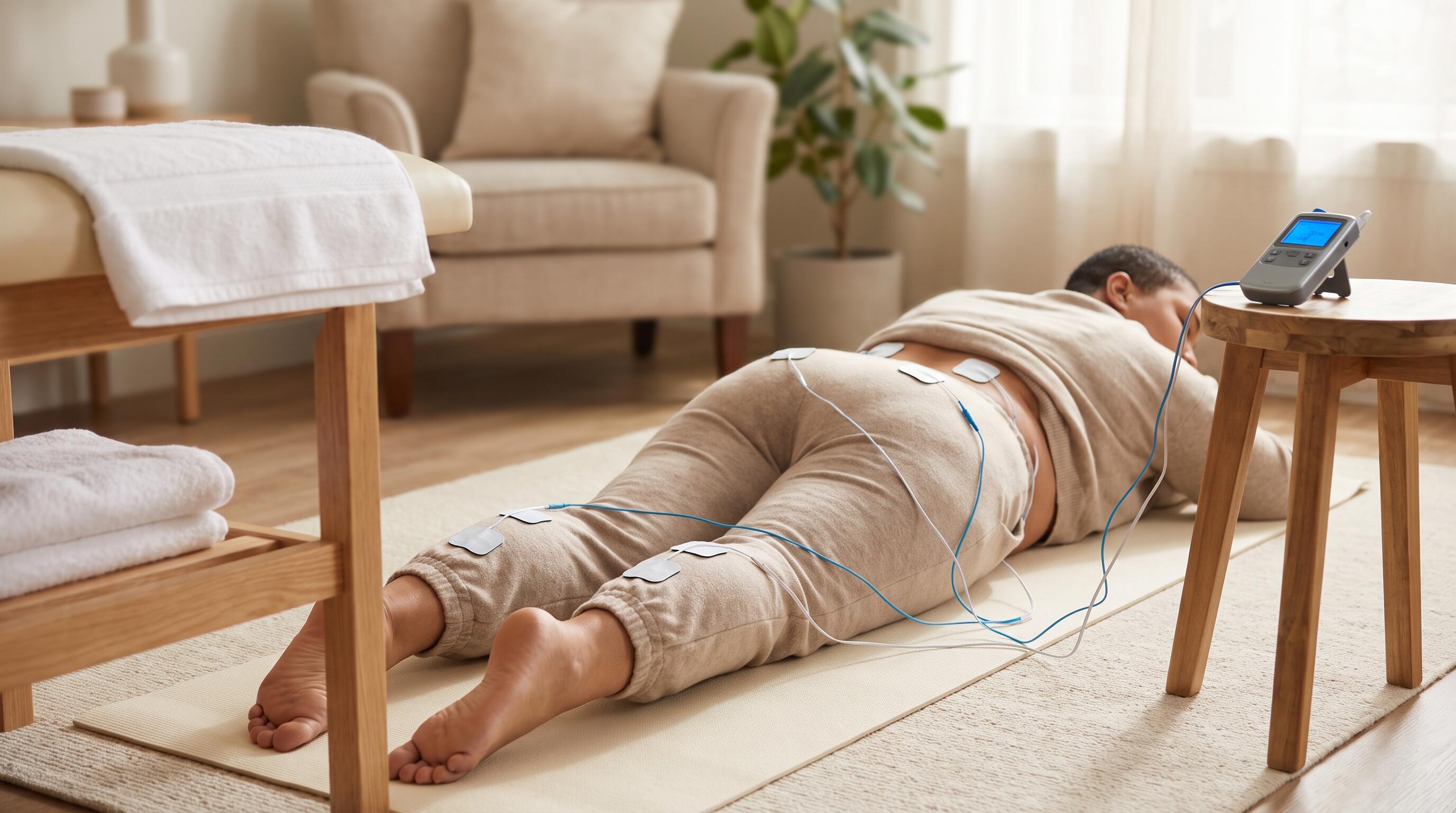
ALT: Multi-channel TENS EMS kit with 24 electrode pads applied on lower back and legs for drug-free pain relief and muscle recovery at home
Advanced Considerations: Getting More from Your Kit Over Time
Handling Reduced Pad Adhesion
Even with careful storage and rotation, electrode pads will eventually lose their adhesive quality. Before replacing them entirely, try lightly dampening the gel surface with a small amount of water — this often temporarily restores conductivity and adhesion. Avoid using tap water with high mineral content if possible. Once a pad no longer adheres without external taping or loses its conductive consistency, it should be replaced rather than forced into continued use, as poor contact reduces effectiveness and may cause skin irritation.
Intensity Settings: The Common Misconception About "More is Better"
Many first-time users assume higher intensity equals faster or more effective results. This is a misconception worth addressing directly. For TENS pain relief, the optimal sensation is a strong but comfortable tingling — not pain. For EMS muscle contraction, the target is a visible, rhythmic contraction that does not cause cramping or discomfort. Excessive intensity can trigger muscle soreness, skin irritation, and paradoxically, increased pain sensitivity. Effective therapy is found in the correct placement and mode selection — not in pushing the intensity dial to its maximum.
Syncing TENS EMS Therapy with Other Recovery Practices
Electrotherapy works best as part of an integrated wellness approach. Combining TENS pain management with adequate hydration, gentle stretching, and appropriate rest amplifies outcomes. Similarly, EMS is most effective when paired with light active recovery or used in the 24–48 hours following intense exercise. Think of your TENS EMS kit as a powerful tool in a broader recovery toolkit — not a standalone replacement for holistic health practices.
Understanding the Role of ISO-Certified Manufacturing
When evaluating any electrotherapy device for home use, manufacturing certification matters. iStim's ISO-certified Taiwanese manufacturing ensures that quality control, safety standards, and component consistency meet internationally recognized benchmarks. This is particularly important for devices that deliver electrical stimulation directly to the body — where inconsistent output or substandard components can create real safety risks. Choosing a brand that transparently backs its manufacturing process is a non-negotiable for serious home health users.
Frequently Asked Questions FAQ
Q1: How do I know which electrode pad placement is correct for my pain area?
Pad placement is one of the most important factors in electrotherapy effectiveness. For TENS pain relief, pads are generally placed on either side of the pain source — not directly over the spine or bony prominences. For EMS, pads go directly over the target muscle. Most professional-grade kits include placement guides or diagrams. iStim devices come with instructional support, and for condition-specific guidance — such as knee or shoulder pain — consulting a physical therapist for initial placement advice is always a sound approach.
Q2: Is it safe to use a TENS EMS kit every day?
For most healthy adults without contraindications, daily use at appropriate intensity levels is generally considered safe. Many users incorporate short TENS sessions into their daily pain management routine. However, it is advisable to give the skin rest periods to prevent irritation, avoid placing pads repeatedly on exactly the same skin spot without rotation, and limit individual session duration to the range recommended in your device's instructions. Those with underlying medical conditions should always confirm daily use appropriateness with a qualified healthcare provider before establishing a regular routine.
Q3: How long do the electrode pads included in a 24-pad TENS EMS kit typically last?
Pad longevity depends on several variables: frequency of use, skin preparation before each session, and storage practices. Pads stored correctly — sealed on their protective film, kept away from heat and dust — and rotated across sessions can often deliver a meaningful number of uses per pad. With 24 pads in your kit and a disciplined rotation strategy, most users find the included supply lasts considerably longer than smaller starter kits. When replacement is needed, standard-sized replacement pads are widely available and compatible with most professional-grade devices.
Summary
A well-chosen TENS EMS kit is one of the most cost-effective investments a health-conscious adult can make for long-term drug-free pain management and muscle recovery at home. Three core value points stand out clearly across everything covered in this guide.
First, the combination of TENS and EMS in a single device delivers therapeutic versatility that neither modality achieves alone — addressing both the pain experience and the underlying muscle health simultaneously. Second, the inclusion of 24 electrode pads transforms what is possible in a home setting: multi-site treatment, pad rotation for longevity, household sharing, and significant cost savings over time. Third, manufacturing quality matters enormously — and ISO-certified professional-grade devices like those from iStim provide the safety assurance and consistent output that effective electrotherapy requires.
For your next steps: identify your primary therapeutic goal (pain relief, muscle recovery, or both), review the placement guidance for your target area, start with low intensity, and commit to a consistent session schedule. The results from electrotherapy are cumulative — regular, properly applied therapy builds on itself over time.
Ready to experience drug-free pain relief and muscle wellness from the comfort of your home? Explore iStim's full range of professional-grade TENS, EMS, and Kegel devices at https://istim.com/ and find the right solution tailored to your needs. Join over 20,000 satisfied customers who trust iStim to power their recovery and well-being every day.
References
- National Institutes of Health (NIH), National Library of Medicine. "Transcutaneous Electrical Nerve Stimulation (TENS) for Pain Management".
https://www.ncbi.nlm.nih.gov/books/NBK537188/ - American Physical Therapy Association (APTA). "Electrophysical Agents in Physical Therapy Practice".
https://www.apta.org/ - National Institute of Neurological Disorders and Stroke (NINDS). "Pain: Hope Through Research".
https://www.ninds.nih.gov/health-information/patient-caregiver-education/hope-through-research/pain-hope-through-research - U.S. Food and Drug Administration (FDA). "General Wellness: Policy for Low Risk Devices — Guidance for Industry and FDA Staff".
https://www.fda.gov/media/90652/download - Cleveland Clinic. "Electrical Muscle Stimulation (EMS)".
https://my.clevelandclinic.org/health/treatments/22569-electrical-muscle-stimulation-ems
Note: Standards and clinical guidance may be updated. Please check the latest official documents or consult a qualified healthcare professional for the most current recommendations.
About iStim
iStim is a Los Angeles-based electrotherapy brand specializing in professional-grade TENS, EMS, and Kegel devices for home use, backed by ISO-certified Taiwanese manufacturing and a community of 20,000+ satisfied Amazon customers. Learn more at istim.com.
Disclaimer: This article is provided for informational and educational purposes only and does not constitute medical advice. Always consult a qualified healthcare professional before beginning any new pain management or electrotherapy regimen. © iStim. All rights reserved.