
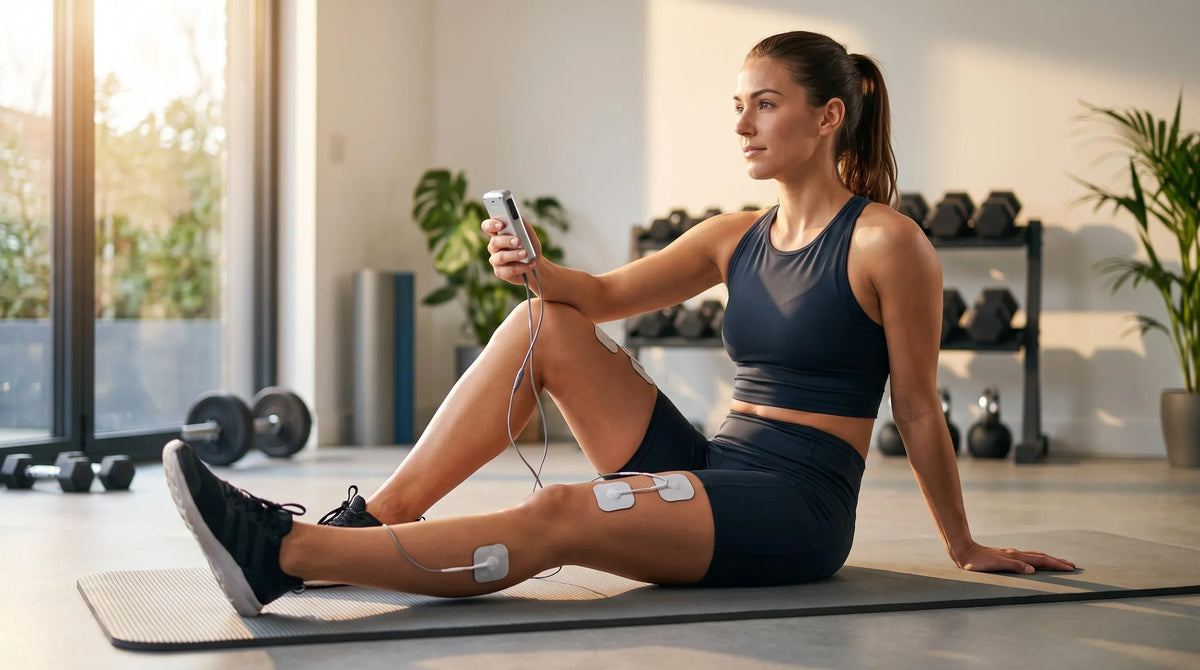
ALT: Athlete using a TENS EMS machine for muscle recovery and post-workout pain relief routine
Why Every Athlete Should Know About TENS EMS Therapy
Key Conclusion: TENS EMS for athletes represents one of the most effective, drug-free approaches to accelerating recovery, reducing delayed onset muscle soreness (DOMS), and managing acute or chronic pain. Whether you're a weekend warrior, a competitive runner, or a fitness enthusiast pushing your limits, a quality TENS EMS combo machine can meaningfully upgrade your recovery routine — bringing clinical-level electrotherapy into your home without the clinic price tag.
Recovery is the often-overlooked half of athletic performance. You can train hard every day, but without proper recovery strategies, your muscles never fully rebuild — and your risk of injury climbs steadily. For decades, professional sports teams and physical therapists have used electrical stimulation devices to help athletes bounce back faster. Now, thanks to advances in consumer-grade technology, the same science is accessible at home.
This article breaks down exactly what to look for in a TENS EMS machine for athletic recovery, how to use it effectively, how different device types compare, and which iStim solutions stand out for home-based athletes and active adults.
Who This Guide Is For
✅ Applicable Scenarios:
- Recreational and competitive athletes experiencing post-workout soreness or muscle fatigue
- Individuals managing chronic pain conditions (back pain, knee pain, shoulder tension) alongside active lifestyles
- Fitness enthusiasts seeking drug-free alternatives to NSAIDs or over-the-counter pain medications
- Adults in post-injury rehabilitation who want to supplement clinical physical therapy at home
- Older active adults looking to maintain muscle tone, manage joint pain, and stay mobile
❌ Not Applicable/Cautions:
- Individuals with implanted electronic devices such as pacemakers or neurostimulators (electrical stimulation is contraindicated)
- Pregnant individuals should avoid TENS/EMS use over the abdomen or lower back without explicit medical guidance
- Those with open wounds, skin infections, or irritated skin at the electrode placement site
- Individuals with epilepsy or certain cardiac conditions — always consult a healthcare provider before use
The Science of Electrical Stimulation in Athletic Recovery
Sports science has long recognized that the recovery window after intense exercise is as critical as the training itself. Delayed onset muscle soreness, inflammation, and neuromuscular fatigue can sideline athletes for days — reducing training frequency and long-term performance gains. This is exactly where electrotherapy devices step in.
TENS (Transcutaneous Electrical Nerve Stimulation) works by delivering low-voltage electrical pulses through the skin to interrupt pain signals traveling to the brain. It also stimulates the body's production of endorphins — the natural pain-relieving chemicals your body already produces. For athletes dealing with joint pain, soreness after heavy lifting, or nagging injuries, TENS provides targeted, on-demand relief without reaching for ibuprofen.
EMS (Electrical Muscle Stimulation), on the other hand, targets muscle fibers directly. By triggering involuntary muscle contractions, EMS can help flush metabolic waste products like lactic acid from fatigued muscles, improve local circulation, and even provide a low-intensity training stimulus during recovery periods. Research published in sports medicine literature suggests EMS can reduce DOMS severity and speed the return to full training capacity.
The real power for athletes lies in combo devices that deliver both TENS and EMS functionality in a single unit. Rather than managing two separate machines, a well-designed TENS EMS combo lets you shift seamlessly between pain relief mode and active muscle recovery mode — making it a genuinely versatile tool across different phases of your training cycle. If you're researching your options, the guide on Best TENS EMS Combo Machine for Home Use offers a thorough breakdown of what separates quality devices from the crowd.
The market for electrotherapy devices has grown substantially in recent years, reflecting both greater public awareness and increased demand for non-pharmaceutical wellness solutions. Athletes at every level are adding TENS EMS therapy to their toolkit — and for good reason.
How to Integrate a TENS EMS Machine Into Your Recovery Routine
Three-Step Quick Start for Athletes
Step 1: Identify Your Recovery Goal for That Session
Before you turn on your device, spend a moment identifying what you need most right now. Are you dealing with acute post-workout soreness that needs pain relief? Or do you want to actively stimulate blood flow and flush metabolic waste from fatigued muscle groups? TENS mode is your tool for pain signal interruption and endorphin release; EMS mode is your tool for active muscle recovery and stimulation. Knowing this upfront helps you select the right mode, intensity, and electrode placement for your body — keeping sessions purposeful rather than guesswork. This step takes just two to three minutes but dramatically improves outcomes.
Step 2: Place Electrodes Correctly for the Target Muscle Group
Clean, dry skin is essential for good electrode adhesion and effective current delivery. Place electrode pads on or around the sore or fatigued muscle group — for example, on either side of the quadriceps after a heavy leg day, along the lower back after deadlifts, or across the upper trapezius after a swimming session. Refer to your device's included placement guide for specific muscle-group diagrams. For multi-area sessions — common in athletes training full-body — a 4-channel TENS unit allows you to target multiple muscle groups simultaneously, cutting your recovery session time significantly.
Step 3: Set Intensity, Mode, and Session Duration
Start at the lowest intensity and gradually increase until you feel a noticeable but comfortable sensation — tingling for TENS, gentle pulsing contractions for EMS. Never begin at high intensity, especially on new muscle groups. Most athletes benefit from sessions ranging from 15 to 30 minutes per area, though your device's guidelines should take precedence. Use EMS mode in the hour immediately post-workout for active recovery, and TENS mode later in the day or evening to manage residual soreness and promote restful sleep. Consistency over multiple days yields significantly better results than a single intensive session.
Comparing Recovery Device Options for Athletes
Not all electrotherapy devices are created equal, and athletes have specific needs that differ from general pain management users. The table below compares the primary device categories available to home users:
| Comparison Dimension | TENS-Only Device | EMS-Only Device | TENS + EMS Combo Device |
|---|---|---|---|
| Pain Relief Capability | Excellent | Limited | Excellent |
| Active Muscle Recovery | Not available | Excellent | Excellent |
| Versatility Across Training Phases | Low | Moderate | High |
| Value for Athletes | Moderate | Moderate | High |
| Channel Options | Typically 2 channels | Varies | Up to 4 channels (iStim models) |
| Suitable for Multi-Area Recovery | Limited | Limited | Yes (with multi-channel models) |
| Recommended for Home Athlete Use | As supplement only | As supplement only | Primary recovery tool |
For most athletes, a TENS EMS combo machine delivers the best return on investment. You get the flexibility to switch between therapeutic modes depending on whether you're in the acute post-exercise window or dealing with lingering pain hours later. iStim's lineup focuses specifically on this dual-functionality, ensuring that home users don't have to compromise between clinical capability and everyday usability.
Deep Dive: What Makes a TENS EMS Machine Great for Athletes?
Channel Count and Coverage Area
One of the most practical — and frequently overlooked — specifications when choosing a TENS EMS machine is channel count. A channel refers to an independent output circuit that controls a pair of electrode pads. A 2-channel device can manage two pad placements simultaneously; a 4-channel device can address four separate pad placements at once.
For athletes, this distinction is significant. After a demanding full-body session, you may have soreness in your quads, lower back, and shoulders simultaneously. With a 2-channel device, you'd need multiple sessions to cover all areas. A 4-channel device lets you address all three zones in a single session — dramatically improving efficiency. iStim's higher-end models offer 4-channel capability, making them particularly well-suited for athletes with complex recovery needs across multiple muscle groups.
Modes and Programs for Different Recovery Phases
Athletic recovery isn't a single state — it evolves across the 24 to 72 hours following intense training. In the immediate post-exercise window (0–2 hours), the priority is reducing inflammation, stimulating circulation, and clearing metabolic waste. EMS modes that produce rhythmic, moderate-depth contractions are ideal here. Later in the recovery window (12–48 hours), when DOMS often peaks, TENS modes that block pain signals and stimulate endorphin release become the priority.
Look for devices with multiple pre-set programs that cover both stages. Quality combo devices typically offer massage-style EMS programs alongside classic TENS pain relief programs, allowing athletes to move through their full recovery arc with a single device. iStim devices are designed with this kind of multi-phase use in mind, incorporating diverse program options suited to both active stimulation and passive pain management.
Build Quality and Portability
Athletes use recovery tools frequently — often daily. That means build quality matters. An ISO-certified manufacturing process, like the Taiwanese production standards that back every iStim device, provides meaningful assurance that components meet consistent quality thresholds. This isn't just marketing language; ISO certification reflects documented quality management processes that translate into real-world device reliability over time.
Portability also matters for athletes who travel for competitions, training camps, or regular commutes to the gym. Compact, lightweight design with rechargeable battery options means your device comes with you rather than staying on the shelf. The guide on Best Rechargeable TENS EMS Machine with Electrode Pads explores how battery type and electrode quality interact with real-world usability.
Electrode Pad Quality and Longevity
Electrode pads are the consumable component of any electrotherapy device, and their quality directly affects both comfort and efficacy. Poor-quality pads lose adhesion quickly, deliver uneven current distribution, and may cause skin irritation. For athletes using their device daily or near-daily, pad longevity and replaceable pad availability are important purchasing considerations.
iStim includes quality electrode pads with its devices and offers replacement options — supporting the kind of consistent, high-frequency use that athletes depend on. Proper pad care (cleaning skin before use, storing pads on their protective backing after each session) extends usable life considerably.
Intensity Range and Precision Control
Athletes typically have higher physical tolerance than general pain management users, but that doesn't mean maximum intensity is always better. Effective electrotherapy is about finding the right intensity for the therapeutic goal — not simply the highest setting you can tolerate. Devices with fine-grained intensity controls allow athletes to dial in precisely the right stimulation level for each muscle group and each session type.
For a closer look at how a specific TENS EMS combo performs across real-world athletic and recovery scenarios, the EV-805 Review: Who Is This TENS EMS Combo Machine Best For? provides an in-depth user-focused analysis worth reading before you decide.
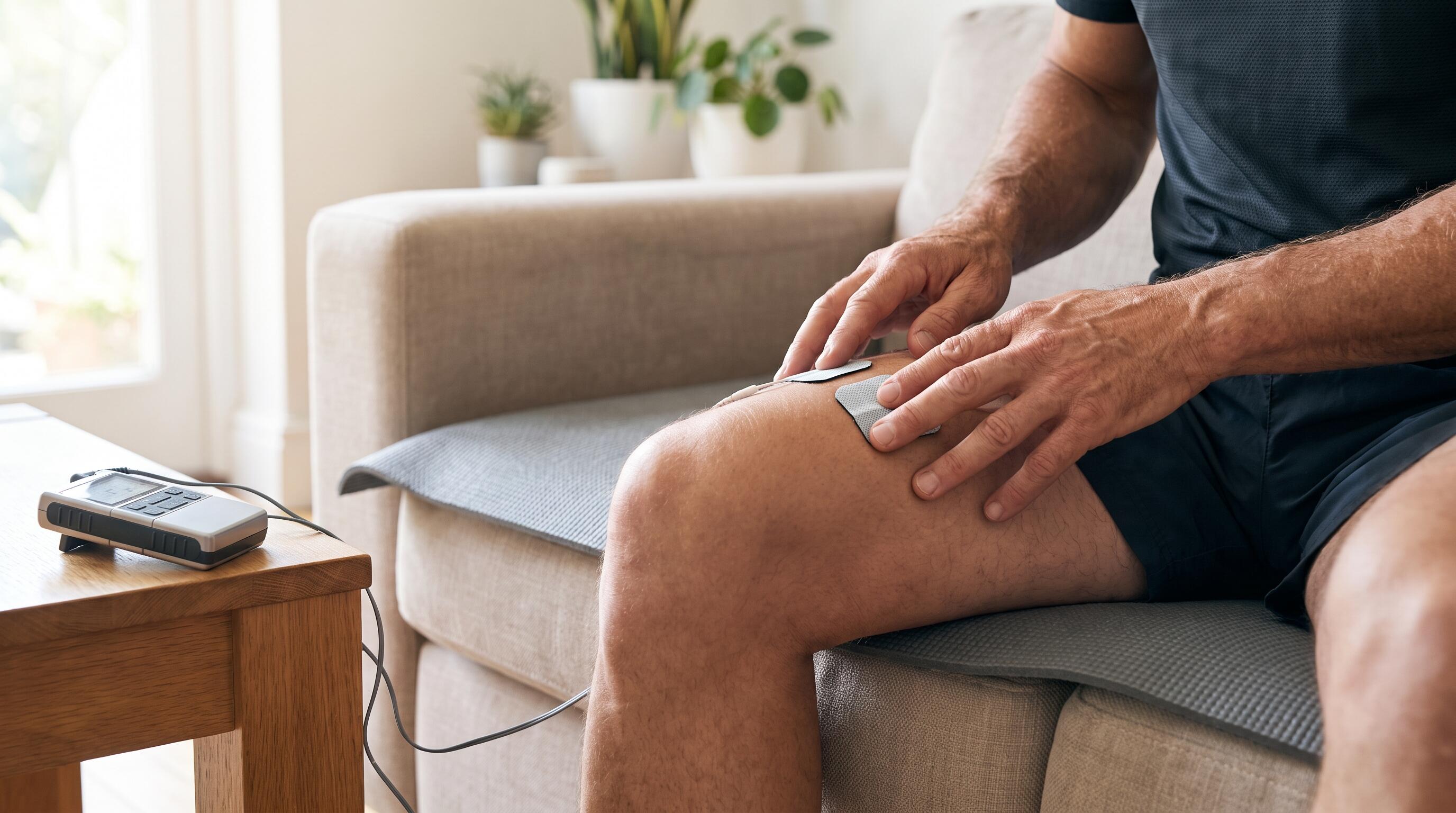
ALT: Athlete placing TENS EMS electrode pads on thigh muscles during post-workout recovery routine at home
Advanced Considerations for Athlete-Specific Electrotherapy Use
Periodizing Your Electrotherapy Use
Just as smart athletes periodize their training — varying intensity, volume, and focus across training blocks — thoughtful periodization of electrotherapy use maximizes its benefits. During high-volume training weeks, daily EMS recovery sessions can help maintain muscle readiness and reduce accumulated fatigue. During deload weeks or tapering phases before competition, lighter TENS-focused sessions for pain management and nervous system calming may be more appropriate.
A Common Misconception: EMS as a Replacement for Training
One of the most widespread misconceptions about EMS is that it can substitute for actual strength training. While EMS does produce involuntary muscle contractions, the neurological and metabolic demands of voluntary training are fundamentally different. EMS is a recovery and rehabilitation tool, not a training replacement. Athletes who use it as a supplement to — not a substitute for — their regular program see the best results.
Layering Electrotherapy With Other Recovery Modalities
TENS EMS therapy pairs well with complementary recovery modalities. Adequate hydration before and after sessions supports the physiological processes stimulated by EMS. Light dynamic stretching or foam rolling before an EMS session can improve electrode contact and muscle response. Cold therapy or contrast bathing after training and before an EMS session is also a common and effective combination used by performance athletes and their support teams.
Understanding Contraindications More Deeply
While the cautions listed earlier cover the major contraindications, athletes should also be aware of more nuanced situations. Using EMS directly over acute muscle tears or significant strains is not recommended — allow the acute inflammatory phase to resolve before introducing electrical stimulation. Similarly, avoid placing electrodes over any joint prosthetics, areas of reduced skin sensation, or directly over the spine or heart. When in doubt, your physiotherapist or sports medicine physician is your best resource for personalized guidance.
Frequently Asked Questions FAQ
Q1: How do I know which TENS EMS machine is most suitable for athletes?
Look for a device that combines both TENS and EMS modes in a single unit, offers at least 4 channels for multi-area coverage, includes multiple pre-programmed modes for different recovery phases, and is built to withstand frequent daily use. ISO-certified manufacturing is a meaningful quality indicator. iStim's combo devices are specifically designed with these athlete-relevant features in mind, offering professional-grade stimulation without requiring a clinical setting. Reading verified user reviews and product-specific guides can also help you identify the right fit for your training lifestyle.
Q2: Is it safe to use a TENS EMS device every day for muscle recovery?
For most healthy adults without contraindications, daily use of a TENS EMS device is considered safe when used according to the manufacturer's guidelines. Athletes often use these devices multiple times per day — particularly following intensive training sessions. The key principles are to start at low intensity, avoid prolonged continuous use on a single area, allow skin to rest between sessions, and never use over areas of active injury or broken skin. If you experience unusual discomfort, skin reactions, or other unexpected effects, discontinue use and consult a healthcare professional.
Q3: How long does it take to notice results using TENS EMS therapy in a recovery routine?
Many athletes notice meaningful pain relief from TENS within a single session — particularly for acute soreness. The effects of EMS on reducing DOMS and accelerating muscle recovery typically become more apparent after consistent use over several days to weeks. Like most recovery modalities, the cumulative benefits of regular use outweigh the impact of a single session. Athletes who integrate TENS EMS therapy consistently into their post-training routines — rather than reaching for it only in emergencies — generally report the best long-term outcomes in terms of recovery speed and pain management.
Summary
For athletes serious about performance and longevity, the question is no longer whether electrotherapy belongs in a recovery routine — it's about choosing the right device and using it intelligently. Here are the three core takeaways from this guide:
- Dual-mode functionality is essential. A TENS EMS combo machine is far more valuable for athletes than single-mode devices, providing both pain relief and active muscle recovery capability across the full post-training window.
- Channel count and build quality determine real-world value. For athletes recovering multiple muscle groups simultaneously, 4-channel capability dramatically improves session efficiency. ISO-certified manufacturing ensures the device performs reliably over the long term.
- Consistency and correct use maximize outcomes. Electrotherapy works best as a consistent, structured addition to your recovery routine — not an occasional emergency measure. Understanding when to use TENS versus EMS, and how to place electrodes correctly, transforms a good device into a genuinely powerful recovery tool.
The drug-free, side-effect-free nature of TENS EMS therapy makes it one of the most sensible investments an athlete or active adult can make in their long-term health and performance. iStim's professional-grade lineup, backed by ISO-certified Taiwanese manufacturing and trusted by a growing community of active users, brings this clinical-quality technology into the comfort of your home.
Ready to experience drug-free pain relief and muscle wellness from the comfort of your home? Explore iStim's full range of professional-grade TENS, EMS, and Kegel devices at https://istim.com/ and find the right solution tailored to your needs. Join over 20,000 satisfied customers who trust iStim to power their recovery and well-being every day.
References
- National Institutes of Health — National Library of Medicine. "Transcutaneous Electrical Nerve Stimulation (TENS) for Pain Management".
https://www.ncbi.nlm.nih.gov/books/NBK537188/ - American Physical Therapy Association. "Electrophysical Agents in Physical Therapy".
https://www.apta.org/ - National Institutes of Health — National Library of Medicine. "Effects of Electrical Muscle Stimulation on Delayed Onset Muscle Soreness".
https://pubmed.ncbi.nlm.nih.gov/ - Mayo Clinic. "TENS (Transcutaneous Electrical Nerve Stimulation)".
https://www.mayoclinic.org/tests-procedures/tens/about/pac-20384651 - U.S. Food and Drug Administration. "Electrical Muscle Stimulator: Questions and Answers".
https://www.fda.gov/medical-devices/home-use-devices/electrical-muscle-stimulators
Note: Standards and clinical guidance may be updated over time. Please consult the latest official documents or a qualified healthcare professional for current recommendations.
About iStim
iStim is a Los Angeles-based electrotherapy brand specializing in professional-grade TENS, EMS, and Kegel devices for home use, backed by ISO-certified Taiwanese manufacturing and a community of 20,000+ satisfied Amazon customers. Learn more at istim.com.
Disclaimer: This article is provided for informational and educational purposes only and does not constitute medical advice. Always consult a qualified healthcare professional before beginning any new pain management or electrotherapy regimen. © iStim. All rights reserved.