
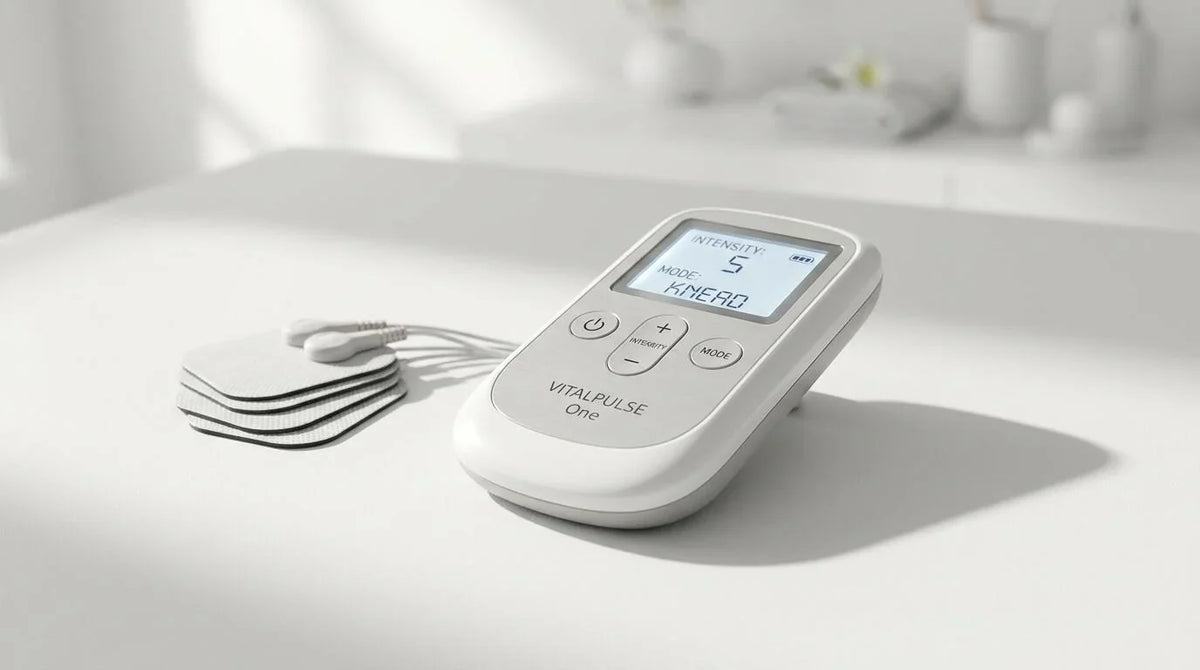
ALT: iStim WeTrac portable TENS unit for home use — best portable electrotherapy device for drug-free pain relief
iStim WeTrac Review 2026: The Best Portable TENS Unit for Home Pain Relief?
Key Conclusion: If you're searching for the best portable TENS unit that delivers genuine clinic-quality results at home without a prescription, the iStim WeTrac consistently rises to the top. This in-depth iStim WeTrac review explores everything from setup and usability to real-world performance, helping you decide whether this compact electrotherapy device is the best TENS unit for home use in 2026 — for pain relief, muscle recovery, or everyday wellness management.
Living with chronic pain, post-workout muscle soreness, or recurring neck and shoulder tension is exhausting. Many people are rightfully wary of relying on medications long-term, and the demand for drug-free, evidence-based home solutions has surged in recent years. The iStim WeTrac has emerged as a standout option in this growing market, attracting the attention of athletes, post-rehabilitation patients, seniors, and health-conscious individuals alike.
In this comprehensive guide, we cover three essential angles: what the WeTrac actually is and how it works, who benefits most from using it, and whether it truly lives up to the hype in day-to-day use. By the end, you'll have everything you need to make a confident, informed decision.
Who Is the iStim WeTrac For? Scope of Application
✅ Applicable Scenarios:
- Adults experiencing chronic back, neck, or shoulder pain who want a drug-free management option they can use at home between clinical visits
- Athletes and fitness enthusiasts seeking faster muscle recovery and reduced post-exercise soreness through electrical muscle stimulation
- Post-rehabilitation patients who have been cleared by a physician to continue electrotherapy at home to maintain gains made in physical therapy
- Individuals with arthritis, muscle fatigue, or nerve-related discomfort looking for a non-invasive, adjustable therapy solution
- Health-conscious consumers who prefer evidence-based wellness tools over over-the-counter pain medications
❌ Not Applicable/Cautions:
- Individuals with implanted electronic devices such as pacemakers or defibrillators — electrical stimulation can interfere with device function
- People with active skin infections, wounds, or rashes in the treatment area where electrodes would be placed
- Those who are pregnant, unless explicitly cleared by a licensed healthcare provider
- Anyone who has not consulted a healthcare professional about underlying conditions that may contraindicate TENS or EMS therapy
Understanding Why Portable Electrotherapy Has Become Essential in 2026
The global chronic pain burden is staggering. According to the Centers for Disease Control and Prevention (CDC), more than 50 million American adults live with chronic pain — making it one of the most common reasons people seek medical care. At the same time, growing awareness around opioid dependency risks and medication side effects has shifted consumer and clinical attention toward non-pharmacological solutions.
Transcutaneous Electrical Nerve Stimulation — more commonly known as TENS — has been a cornerstone of physical therapy and pain clinics for decades. By delivering gentle, controlled electrical impulses through the skin, TENS therapy interrupts pain signals traveling to the brain while encouraging the release of endorphins, the body's natural pain-relieving chemicals. Electrical Muscle Stimulation (EMS), a closely related modality, uses similar technology to trigger muscle contractions, supporting recovery and strengthening.
For years, access to professional-grade electrotherapy required expensive clinic appointments. The rise of compact, affordable, and user-friendly devices like the iStim WeTrac has changed that equation dramatically. Consumers can now experience the same therapeutic principles used by physical therapists — in their living room, during a lunch break, or even while traveling.
iStim, a Los Angeles-based brand built on ISO-certified Taiwanese manufacturing, has been at the forefront of bringing this technology home. With over 20,000 Amazon customers placing their trust in the brand, iStim's approach — combining clinical rigor with consumer-friendly design — has resonated deeply. For anyone researching portable electrotherapy options this year, understanding what makes the WeTrac different is an important starting point. You can explore the broader context of this device in our detailed guide, iStim WeTrac Review: Is It Worth Buying for Pain Relief?, which dives deeper into value assessment and long-term utility.
How to Use the iStim WeTrac: Core Features and Step-by-Step Guide
Three-Step Quick Start
Step 1: Prepare Your Skin and Position the Electrodes
Before your first session, clean and dry the area where you plan to apply the electrode pads. Proper skin preparation ensures strong adhesion and effective signal transmission. The WeTrac uses self-adhesive electrode pads that attach directly to targeted muscle groups or pain areas — for example, the lower back, shoulders, knees, or forearms. Position the pads according to the guidance provided in the user manual, generally on either side of (not directly over) the pain site. This step typically takes two to three minutes.
Step 2: Select Your Mode and Intensity Level
Power on the WeTrac and navigate to the mode that best fits your goal. TENS modes are designed for pain relief and nerve stimulation, while EMS modes focus on muscle contraction and recovery. The device offers multiple pre-programmed modes to accommodate different needs — from light, soothing pulses to deeper, more vigorous stimulation. Begin at the lowest intensity setting and gradually increase until you feel a comfortable, tingling or pulsing sensation. You should never feel sharp pain or discomfort. This calibration phase takes about one to two minutes.
Step 3: Run Your Session and Monitor Comfort
A typical session lasts between 15 and 30 minutes, depending on your chosen program and personal comfort level. During the session, stay relaxed — seated, reclined, or lying down works best. Do not use the device while driving or operating machinery. After the session ends, the device will typically power down automatically. Remove the electrode pads gently, store them on their protective film to preserve adhesion, and note how your body responds so you can refine settings in future sessions.
How the iStim WeTrac Compares to Other Electrotherapy Options
Choosing the right electrotherapy device can feel overwhelming given the range of options available. Here is an honest comparison to help frame where the iStim WeTrac fits within the broader landscape of pain management and muscle recovery solutions:
| Comparison Dimension | iStim WeTrac (Home TENS/EMS) | Clinical TENS Therapy (In-Clinic) | Basic Budget TENS Unit |
|---|---|---|---|
| Professional Grade Quality | ISO-certified manufacturing, clinic-inspired design | Medical-grade equipment, supervised use | Varies widely; often consumer-grade |
| Convenience / Portability | Highly portable, designed for home and travel use | Fixed location, requires appointments | Generally portable, but limited features |
| Mode & Program Variety | Multiple TENS and EMS modes for diverse needs | Customized by therapist; highly controlled | Typically limited modes (2–4) |
| Cost Over Time | One-time investment; no recurring clinic fees | Ongoing copays and appointment costs | Low upfront cost but may lack durability |
| Ease of Use | User-friendly controls with clear guidance | Requires therapist operation | Simple but may lack precision |
| Electrode Compatibility | Compatible with professional iStim accessories | Proprietary clinic equipment | Often limited to included pads only |
| Brand Trust / Certifications | ISO-certified; 20,000+ verified customers | Varies by facility | Often unverified or minimal certification |
This comparison underscores that the WeTrac occupies a meaningful middle ground — it brings the quality and versatility of clinical-grade therapy into a format that everyday users can confidently operate at home, without the recurring cost burden of clinic visits.
Deep Dive: Performance, Design, and Real-World Results
Build Quality and Design Philosophy
The iStim WeTrac reflects the brand's commitment to professional-grade quality. The device's construction balances durability with portability — it is compact enough to slip into a gym bag or travel case, yet substantial enough to feel genuinely well-made in hand. This is not a disposable gadget; it is built for sustained, regular use.
The controls are intuitive, featuring clearly labeled mode selectors and intensity adjusters that allow users to make real-time adjustments without fumbling through complex menus. For someone managing neck and shoulder pain during a workday, this ease of use is not a luxury — it is a genuine clinical benefit, because frustrating interfaces lead to inconsistent use, and inconsistent use undermines therapeutic outcomes.
TENS and EMS Performance
The WeTrac's core strength lies in its dual capability. As a portable electrotherapy device supporting both TENS and EMS modalities, it serves a wider range of users than single-mode devices.
For pain relief applications — such as lower back tension, knee discomfort, or post-injury nerve sensitivity — the TENS function delivers pulsed electrical signals that many users describe as noticeably effective within the first few sessions. The gate control theory of pain suggests that these electrical signals compete with pain signals traveling along sensory nerves, effectively reducing the brain's perception of pain. Combined with endorphin release, TENS can provide meaningful, drug-free relief for hours after a session ends.
For muscle recovery and strengthening — particularly valuable for athletes or post-surgical rehabilitation patients — the EMS function induces targeted muscle contractions. Regular EMS use can support improved circulation to fatigued muscles, reduced onset soreness, and gradual strengthening when used as part of a consistent routine. If you're wondering does iStim WeTrac really work, the answer is grounded in decades of peer-reviewed electrotherapy research — and the WeTrac applies these principles faithfully.
Electrode Pads and Accessory Compatibility
A detail that separates serious electrotherapy brands from budget alternatives is accessory quality. The iStim WeTrac is compatible with iStim's range of professional-grade electrode pads and accessories. High-quality electrode pads ensure consistent electrical conductivity, secure skin adhesion, and hygienic reuse over multiple sessions. Inferior pads — a common issue with budget devices — can cause uneven stimulation, skin irritation, or signal dropout that diminishes the therapeutic experience.
Practical User Scenarios
Consider a 45-year-old marketing professional managing chronic lumbar pain from prolonged desk work. With the WeTrac, she can place electrode pads on her lower back, select a soothing TENS pain-relief mode, and run a session during her lunch break — returning to work with measurably reduced tension and no medication side effects. Or consider a recreational runner in his 30s who uses the EMS mode post-race to accelerate quad and calf muscle recovery, allowing him to train more consistently with less downtime.
These are not exceptional use cases — they represent the daily reality of thousands of WeTrac users. For a balanced look at both strengths and limitations, the Honest iStim WeTrac Review: Features, Pros, Cons, and Performance offers a thorough breakdown that complements the information here.
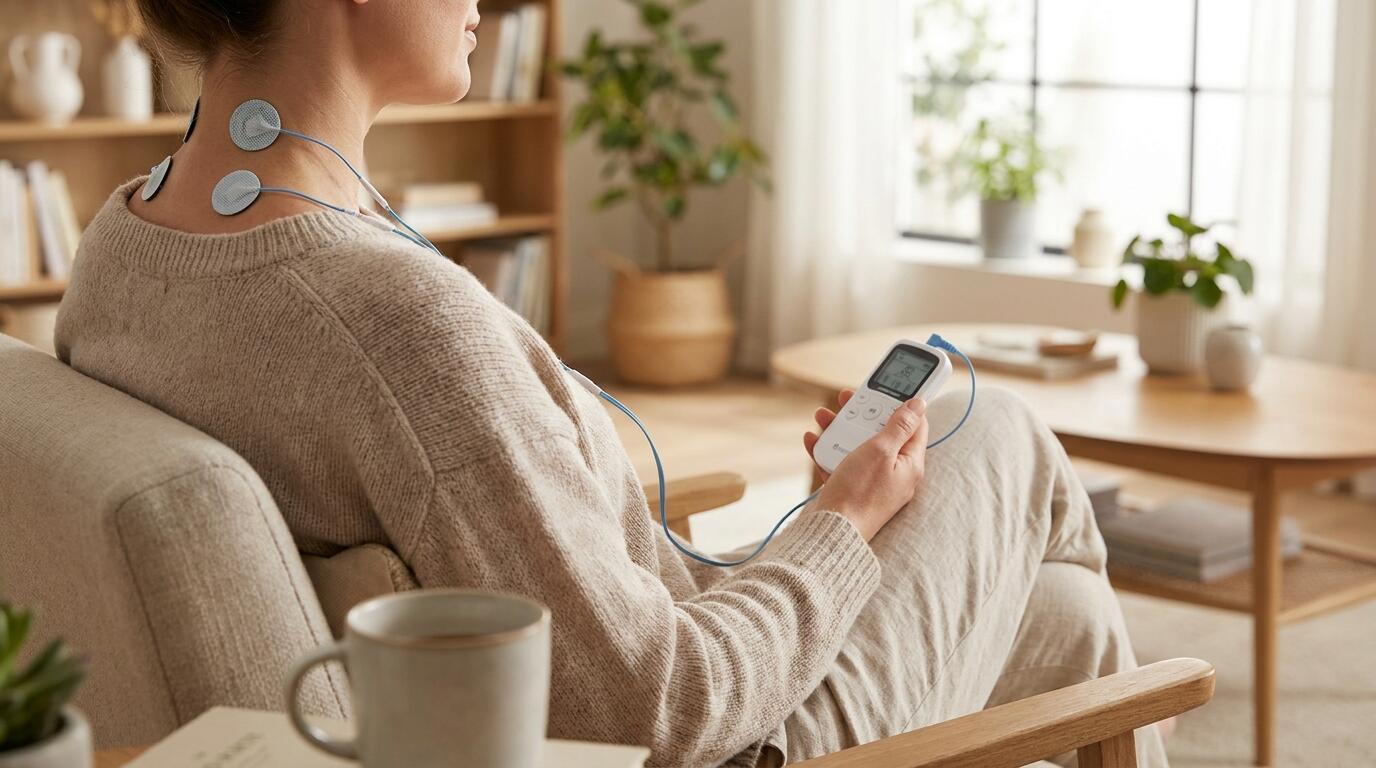
ALT: iStim WeTrac portable TENS unit applied to neck and shoulder area — best TENS unit for home use for drug-free pain management
Advanced Considerations: Getting the Most From Your iStim WeTrac
Special Situations and Adjustments
Managing Particularly Sensitive Areas: Some users find that areas like the neck or near joints require lower starting intensities compared to larger muscle groups like the back or thighs. Always begin conservatively when treating a new area and increase incrementally over several sessions as your body acclimates.
Combining TENS With Other Drug-Free Therapies: The WeTrac works well as part of a broader, integrative approach. Many users layer it alongside heat therapy, stretching, or gentle yoga. The combination can amplify outcomes — for example, applying gentle heat to relax muscle tissue before a TENS session can enhance electrode conductivity and user comfort.
Adapting Frequency of Use: While many users benefit from daily sessions, particularly during flare-ups, the optimal frequency depends on individual health status and the specific condition being managed. Physical therapists often recommend starting with shorter, less frequent sessions and gradually building a routine based on response. Consistency over weeks and months tends to yield the most durable results.
Common Misconceptions Clarified
Misconception: "More intensity means better results." This is one of the most pervasive misunderstandings in home electrotherapy. Effective TENS and EMS therapy is not about maximizing intensity — it is about finding the optimal stimulation level for your body. Higher intensity beyond your comfort threshold does not accelerate healing and can actually cause muscle fatigue or skin irritation.
Misconception: "TENS cures the underlying condition." TENS and EMS are evidence-based tools for symptom management and functional support — not cures. They work best when used as part of a comprehensive wellness or rehabilitation plan that may include physical therapy, appropriate exercise, and lifestyle modifications.
Misconception: "All TENS devices are the same." The gap between a budget, unverified device and an ISO-certified, professionally designed unit like the WeTrac is significant — in terms of consistency, safety, electrode compatibility, and therapeutic range. The manufacturing standards behind iStim's lineup are a meaningful differentiator.
Frequently Asked Questions FAQ
Q1: How do I know which mode to use on the iStim WeTrac for my specific pain?
Selecting the right mode depends on your primary goal. If your aim is pain relief — from conditions like lower back pain, arthritis, or muscle tension — TENS modes are typically most appropriate, as they target sensory nerve pathways to reduce pain perception. If you're focused on muscle recovery or strengthening, EMS modes deliver the rhythmic contractions that support those outcomes. When in doubt, consult your WeTrac user manual or speak with a physical therapist who can recommend a mode and intensity range based on your diagnosis and treatment history.
Q2: Is the iStim WeTrac safe for daily use over the long term?
For most healthy adults without contraindications, the iStim WeTrac is designed to support regular, ongoing use. Built on ISO-certified manufacturing standards, the device prioritizes consistent, safe output. That said, "safe for daily use" depends heavily on individual health factors, placement areas, and session duration. It is always advisable to start gradually, monitor your skin for any irritation at electrode sites, and check in with a healthcare provider periodically — especially if you are managing a chronic condition or recovering from surgery. For more guidance, refer to the dedicated resource on device safety.
Q3: How long does it take to notice results from using the iStim WeTrac for pain relief?
Many users report a noticeable reduction in pain intensity after their first or second session, though individual response varies considerably. Factors influencing timeline include the nature and severity of the condition, session frequency, mode selection, and overall health status. For chronic conditions, a consistent routine over two to four weeks often yields the most meaningful cumulative benefits — reduced baseline pain, improved mobility, and decreased reliance on over-the-counter pain relievers. Think of it as a therapeutic practice, not a single-use fix.
Summary
After a thorough review of the iStim WeTrac's design, clinical foundation, usability, and real-world application, three core value propositions stand out clearly:
1. Professional-Grade Quality in a Home-Friendly Format: The iStim WeTrac brings ISO-certified, clinic-inspired electrotherapy into an accessible, portable device that doesn't require a prescription, a clinic visit, or a steep learning curve. For anyone seeking the best TENS unit for home use in 2026, this combination of quality and convenience is hard to match.
2. Versatility Across Multiple Use Cases: Whether your goal is chronic pain management, athletic recovery, post-rehabilitation maintenance, or simply reducing dependence on pain medications, the WeTrac's dual TENS/EMS capability means it adapts to your needs — not the other way around.
3. Trusted Brand Backed by Evidence: iStim's track record with over 20,000 verified Amazon customers, combined with its ISO-certified manufacturing heritage, positions the WeTrac as a trustworthy investment — not a trend-driven gadget. The science of electrotherapy is well-established, and the WeTrac faithfully delivers on that science.
If you are ready to move beyond temporary fixes and build a sustainable, drug-free pain management or recovery routine, the iStim WeTrac is a compelling choice worth serious consideration.
Ready to take control of your pain relief and muscle wellness from the comfort of home? Explore iStim's full range of professional-grade TENS, EMS, and Kegel devices at https://istim.com/ and find the right drug-free solution tailored to your needs. Join 20,000+ satisfied customers who trust iStim for safe, effective, and clinically inspired electrotherapy — no prescription required.
References
- Centers for Disease Control and Prevention (CDC). "Chronic Pain Among Adults — United States".
https://www.cdc.gov/mmwr/volumes/67/wr/mm6736a2.htm - National Institutes of Health — National Center for Complementary and Integrative Health. "Chronic Pain: In Depth".
https://www.nccih.nih.gov/health/chronic-pain-in-depth - American Physical Therapy Association (APTA). "Physical Therapist's Guide to Pain Management".
https://www.apta.org/patient-care/evidence-based-practice-resources/pain-management - Johnson, M.I. "Transcutaneous Electrical Nerve Stimulation (TENS)". National Center for Biotechnology Information, NIH.
https://www.ncbi.nlm.nih.gov/books/NBK539879/ - U.S. Food and Drug Administration (FDA). "TENS — Transcutaneous Electrical Nerve Stimulators: Device Classification".
https://www.fda.gov/medical-devices/classify-your-medical-device
Note: Standards and clinical guidelines may be updated. Please consult the latest official documents or a qualified healthcare professional for current recommendations.
About iStim
iStim is a Los Angeles-based electrotherapy brand specializing in professional-grade TENS, EMS, and Kegel devices for home use, built on ISO-certified Taiwanese manufacturing and trusted by over 20,000 Amazon customers for drug-free pain relief and muscle stimulation. Learn more at https://istim.com/.
Disclaimer: This article is provided for informational and educational purposes only and does not constitute medical advice. The content is produced in partnership with iStim and reflects the brand's expertise in electrotherapy and wellness. Always consult a qualified healthcare professional before beginning any new treatment or therapy program. © iStim. All rights reserved.