

ALT: Woman researching which iStim Kegel product to buy for pelvic floor health and bladder control
Finding the Right iStim Kegel Device for Your Pelvic Floor Goals
Key Conclusion: Choosing which iStim Kegel product is right for you depends on your specific pelvic floor concerns, experience level, and recovery goals. Whether you're dealing with postpartum weakness, stress urinary incontinence, or simply want to build long-term pelvic strength, iStim offers professional-grade EMS Kegel devices engineered to deliver clinical-quality stimulation safely at home. Understanding the differences between available options is the first step toward meaningful, lasting results.
Pelvic floor health is one of the most overlooked aspects of overall wellness — yet it affects bladder control, core stability, sexual function, and quality of life in profound ways. Millions of women experience pelvic floor dysfunction at some point in their lives, and the traditional advice to "just do Kegel exercises" often falls short, particularly when muscles are too weak or misfiring to contract effectively on their own.
That's where electronic Kegel stimulation enters the picture. iStim's line of EMS-based pelvic floor devices is designed to bridge the gap between manual Kegel exercises and professional pelvic physiotherapy — offering a drug-free, clinically informed approach you can use from the privacy of your own home. But with more than one product available, knowing which device fits your situation best is key to getting the results you're looking for.
Who Should Be Reading This Guide
✅ Applicable Scenarios:
- Women experiencing stress urinary incontinence, urge incontinence, or mixed incontinence who want a non-pharmaceutical intervention
- Postpartum women looking to rebuild pelvic floor strength after vaginal delivery or cesarean recovery
- Women in perimenopause or menopause facing reduced pelvic tone and related symptoms
- Individuals who have previously tried manual Kegel exercises without consistent results
- Health-conscious consumers seeking professional-grade pelvic floor therapy without repeated clinic visits
❌ Not Applicable/Cautions:
- Individuals with active pelvic infections, open wounds, or implanted electronic devices (such as pacemakers) should not use electrical stimulation devices without medical clearance
- Pregnant women should consult their healthcare provider before using any pelvic floor stimulation device
- This guide is informational and does not substitute personalized advice from a pelvic floor physiotherapist or physician
Why Pelvic Floor Electrical Stimulation Matters — and Why iStim
Pelvic floor dysfunction is remarkably common. Research consistently shows that one in three women will experience some form of pelvic floor disorder during her lifetime, with urinary incontinence being among the most prevalent complaints. Despite its frequency, many women delay seeking help due to embarrassment, cost barriers, or simply not knowing that effective at-home options exist.
Manual Kegel exercises are the first-line recommendation for pelvic floor rehabilitation, and for good reason — when performed correctly and consistently, they can meaningfully strengthen the levator ani and surrounding musculature. However, the challenge is significant: studies suggest that up to 30% of women cannot correctly perform a Kegel contraction without professional guidance. Trying to exercise a muscle you can't feel or consciously activate is, quite simply, frustrating and ineffective.
This is precisely where EMS (Electrical Muscle Stimulation) for the pelvic floor offers a powerful advantage. EMS devices deliver mild, precisely controlled electrical impulses through an intravaginal probe, stimulating involuntary muscle contractions in the pelvic floor. The muscles contract even if the user cannot consciously engage them — essentially "teaching" the neuromuscular system what a proper Kegel should feel like. Over time, this re-education helps users gain conscious control and build genuine strength.
For a deeper look at how EMS compares to doing Kegels manually, this resource from iStim is worth reading: Best Kegel Trainer for Women: EMS vs Manual Kegels. It provides a thorough breakdown of both methods and helps contextualize why an electronic approach can be particularly valuable for beginners or those with significant weakness.
iStim enters this space with a meaningful differentiator: ISO-certified manufacturing, clinical-grade engineering, and a track record with over 20,000 Amazon customers. Rather than offering consumer novelty devices, iStim builds pelvic floor stimulators that are grounded in the same therapeutic principles used in professional clinical settings — brought home to you at a fraction of the cost of ongoing physiotherapy visits.
Choosing the Right iStim Kegel Product for Your Needs
Step 1: Identify Your Primary Pelvic Floor Goal
Clarify what you most want to address before looking at any specific device.
Start by asking yourself one clear question: What is my primary reason for seeking pelvic floor support? Your answer will guide everything else. If bladder leakage during coughing, sneezing, or exercise is your main concern, you're likely dealing with stress urinary incontinence — a condition where pelvic floor strengthening is particularly effective. If you feel sudden, difficult-to-control urges to urinate, urge incontinence may be the focus. Postpartum recovery, prolapse prevention, sexual wellness, and general toning are other distinct goals that may favor different device configurations or program settings.
Step 2: Assess Your Current Pelvic Floor Strength Level
Knowing your baseline helps you select the right intensity range and program approach.
If you have never done structured Kegel work or have significant weakness (common after childbirth or during menopause), you'll benefit most from a device that offers gentle starting intensities with a progressive program structure. The ability to begin at a very low stimulation level and gradually increase is critical — it reduces discomfort and ensures you're building strength safely rather than overwhelming tissue that isn't ready for higher stimulation. If you have some existing pelvic floor tone and are looking for maintenance or advancement, a device with a broader intensity range and multiple program modes will serve you better long-term.
Step 3: Consider Your Lifestyle, Comfort Preferences, and Usage Consistency
The best device is the one you'll actually use — regularly and correctly.
Think honestly about what your daily routine allows. Are you someone who will commit to structured sessions several times per week, or do you need a device that makes sessions as simple and low-friction as possible? Ease of setup, intuitive controls, clear program guidance, and comfortable probe design all directly affect how consistently you'll follow through. A device with clear intensity controls and ergonomic design will have a measurable impact on your adherence — which ultimately determines your results. Consider also whether you prefer a device that functions more as a passive stimulator (where the machine does the work) versus one that guides you through active contraction cycles.
Comparing iStim's Kegel Device Options
iStim's pelvic floor product line is built around EMS technology with a focus on clinical-quality stimulation for home users. While the full specification details of each individual model are best confirmed directly on the iStim website, the following comparison framework reflects the key dimensions that differentiate their Kegel offerings:
| Comparison Dimension | Entry-Level / Focused Use | Mid-Range / Versatile | Advanced / Multi-Mode |
|---|---|---|---|
| Primary User Profile | First-time users, mild incontinence | Postpartum recovery, moderate weakness | Experienced users, broader therapy goals |
| Program Modes | Focused preset modes | Multiple preset programs | Extended program variety |
| Intensity Range | Accessible starting range | Broader range for progression | Wide clinical-grade range |
| Device Complexity | Simple, minimal setup | Moderate ease of use | Feature-rich with more customization |
| Ideal for | Bladder control basics | Rebuilding strength after delivery | Ongoing rehabilitation + maintenance |
For the most current and detailed model-specific information, including the iStim V2 review, which covers who specifically benefits most from that device, iStim's blog and product pages are the definitive resources.
Understanding Key Features That Affect Your Experience
Probe Design and Comfort
The intravaginal probe is the interface between the device and your pelvic floor musculature, so its design matters enormously. A well-designed probe ensures consistent electrode contact with pelvic floor tissue, which directly affects the quality of muscle stimulation. iStim probes are designed with both efficacy and user comfort as guiding principles. If you have concerns about probe size or insertion comfort — especially if you are postpartum or experiencing pelvic pain — it is wise to start at the lowest available intensity and give your body time to acclimate.
Stimulation Programs and What They Target
Different program modes serve different therapeutic functions. Some are designed specifically for strengthening (using higher-frequency stimulation to activate fast-twitch muscle fibers), while others focus on relaxation or re-education (using lower frequencies to target slow-twitch endurance fibers or to address hypertonic — overly tight — pelvic floors). A device with program variety allows your therapy to evolve as your needs change. If you're interested in understanding more about how adjustable intensity specifically influences therapeutic outcomes, this guide on pelvic floor trainers with adjustable intensity offers useful context.
Frequency of Use and Session Length
Most clinical protocols for pelvic floor EMS recommend sessions ranging from a few minutes to around 20 minutes, performed multiple times per week — though specific recommendations vary based on individual condition and device guidelines. Consistency over weeks and months is what drives lasting neuromuscular change. iStim devices are engineered for this kind of regular home use, built to a standard that supports durable, reliable performance session after session.
Who Benefits Most From an Automatic Kegel Device
For women who find it difficult to maintain a consistent manual Kegel routine — whether due to difficulty feeling the contraction, postpartum fatigue, or simply inconsistent motivation — an automatic EMS Kegel device can be genuinely transformative. The device contracts the muscles for you, ensuring therapeutic stimulation even on days when active effort is difficult. If this describes your situation, you may find this resource on the best automatic Kegel exercise device for women particularly useful in framing your decision.
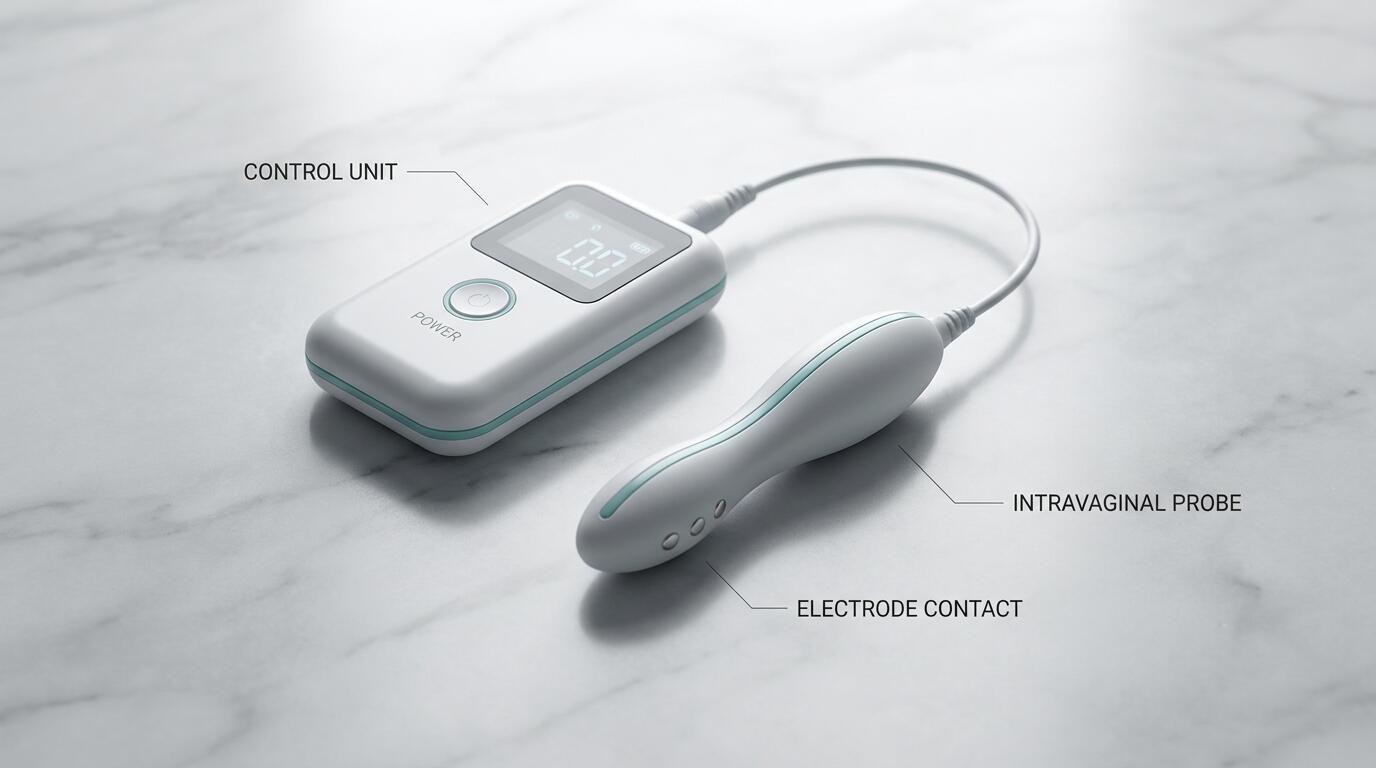
ALT: iStim EMS Kegel device and probe used for at-home pelvic floor rehabilitation and bladder control therapy
Advanced Considerations: Making the Most of Your iStim Pelvic Floor Device
When Standard Programs Aren't Enough
Some users — particularly those with more complex pelvic floor presentations — may find that a single program or intensity level doesn't fully address their needs. Pelvic floor dysfunction exists on a spectrum: some women present with weakness and low tone (hypotonic), while others present with tightness and spasm (hypertonic). It's important to understand that EMS strengthening protocols are appropriate for the former, while a device with a relaxation or lower-frequency mode may be more appropriate for the latter. If you are unsure which category you fall into, a pelvic floor physiotherapist can provide an assessment that informs how you use your iStim device.
Common Misconceptions About Kegel Devices
One persistent misconception is that more intensity automatically means better results. In reality, using intensities above what is comfortable is counterproductive and potentially uncomfortable — the goal is to find the highest intensity you can tolerate without pain, then build from there gradually. Another misconception is that results should be immediate. Pelvic floor rehabilitation is a neuromuscular re-education process; most users begin noticing improvements in bladder control and strength within four to eight weeks of consistent use, with more significant gains developing over three to six months.
A third misconception worth addressing: Kegel devices are "just for older women." Pelvic floor support is relevant across a wide range of life stages — from early postpartum recovery to athletic training to perimenopause. iStim's devices are built for anyone who wants to invest in this often-neglected dimension of their health.
How iStim Compares to Clinic-Based Pelvic Floor Therapy
Professional pelvic floor physiotherapy is the gold standard for comprehensive rehabilitation, and iStim does not aim to replace it entirely. What iStim does offer is a clinically grounded, accessible bridge — enabling users to continue and reinforce therapeutic work between appointments, maintain gains after a program concludes, or begin rehabilitation when access to in-person care is limited by cost, geography, or time. For many users, an iStim device becomes the cornerstone of an ongoing pelvic wellness routine that complements, rather than competes with, professional guidance.
Frequently Asked Questions FAQ
Q1: How do I know which iStim Kegel product intensity range is right for my pelvic floor condition?
The right starting intensity depends on your current pelvic floor sensitivity and strength. As a general rule, begin at the lowest available setting on any iStim device and gradually increase over multiple sessions until you find a level that produces a clear, noticeable muscle contraction without discomfort. Users with more significant weakness, postpartum changes, or pelvic sensitivity should be especially gradual in progression. When in doubt, consult a pelvic floor physiotherapist who can help you set appropriate parameters for your specific condition.
Q2: Is an iStim EMS Kegel device safe to use every day?
Most pelvic floor EMS protocols recommend sessions several times per week rather than daily, allowing adequate muscle recovery between stimulation sessions — much like any strength training program. However, specific guidance varies by device and individual condition. Always follow the usage recommendations provided with your iStim device and consider consulting a healthcare professional if you have any underlying pelvic health concerns. For information on how these devices fit into bladder control routines, this guide on the best pelvic floor trainer for bladder control routines is a helpful reference.
Q3: How long before I see results from using an iStim Kegel device?
Most users begin noticing improvement in pelvic floor symptoms — such as reduced leakage episodes or improved bladder urgency control — within four to eight weeks of consistent use, typically with sessions multiple times per week. Significant structural and neuromuscular gains generally develop over three to six months. Results vary based on the severity of your baseline condition, consistency of use, and whether you are combining device sessions with conscious manual Kegel practice. Patience and regularity are the most important factors in achieving meaningful, lasting outcomes.
Summary
Deciding which iStim Kegel product is right for you doesn't have to be overwhelming. By clarifying your primary pelvic floor goal, honestly assessing your current strength and sensitivity, and matching those factors to the features and programs that best serve them, you can make a confident, informed purchase.
Three key takeaways from this guide:
- EMS-based Kegel devices are clinically grounded — they stimulate actual muscle contractions in the pelvic floor, making them effective even for users who cannot consciously perform a Kegel correctly.
- The right device is the one that fits your life — comfort, ease of use, adjustable intensity, and appropriate program modes all affect whether you'll use the device consistently enough to see results.
- iStim's professional-grade quality — ISO-certified manufacturing and a proven track record with over 20,000 customers means you're investing in a device built to deliver real, durable therapeutic outcomes, not just novelty.
Your pelvic floor health is worth prioritizing. Whether you're recovering postpartum, managing incontinence, or simply investing in long-term wellness, iStim offers a trusted, drug-free path forward backed by clinical science and real-world results.
Ready to Find Your iStim Kegel Device?
Ready to take control of your pelvic floor health from the comfort of home? Explore iStim's full lineup of professional-grade TENS, EMS, and Kegel devices at https://istim.com/ and find the right drug-free solution tailored to your needs. Trusted by over 20,000 customers and built to clinical standards, iStim is here to help you move, feel, and live better — every day.
References
- National Institute of Diabetes and Digestive and Kidney Diseases (NIDDK). "Kegel Exercises".
https://www.niddk.nih.gov/health-information/urologic-diseases/kegel-exercises - American College of Obstetricians and Gynecologists (ACOG). "Pelvic Support Problems".
https://www.acog.org/womens-health/faqs/pelvic-support-problems - National Association for Continence (NAFC). "Pelvic Floor Exercises and Electrical Stimulation".
https://www.nafc.org/kegel-exercises - Dumoulin C, Cacciari LP, Hay-Smith EJC. "Pelvic floor muscle training versus no treatment, or inactive control treatments, for urinary incontinence in women." Cochrane Database of Systematic Reviews, 2018.
https://www.cochranelibrary.com/cdsr/doi/10.1002/14651858.CD005654.pub4/full - Office on Women's Health, U.S. Department of Health and Human Services. "Urinary Incontinence".
https://www.womenshealth.gov/a-z-topics/urinary-incontinence
Note: Standards and clinical recommendations may be updated over time. Please check the latest official documents or consult a qualified healthcare professional for the most current guidance.
About iStim
iStim is a Los Angeles-based electrotherapy brand specializing in professional-grade TENS, EMS, and Kegel devices engineered for safe, effective home use — backed by ISO-certified Taiwanese manufacturing and trusted by 20,000+ Amazon customers for drug-free pain relief and muscle stimulation. Learn more at istim.com.
Disclaimer: This article is provided for informational and educational purposes only and does not constitute medical advice. The content is produced in partnership with iStim and reflects general wellness information. Always consult a qualified healthcare professional before beginning any new therapy or treatment program. iStim is not responsible for any actions taken based on the information presented in this article.