
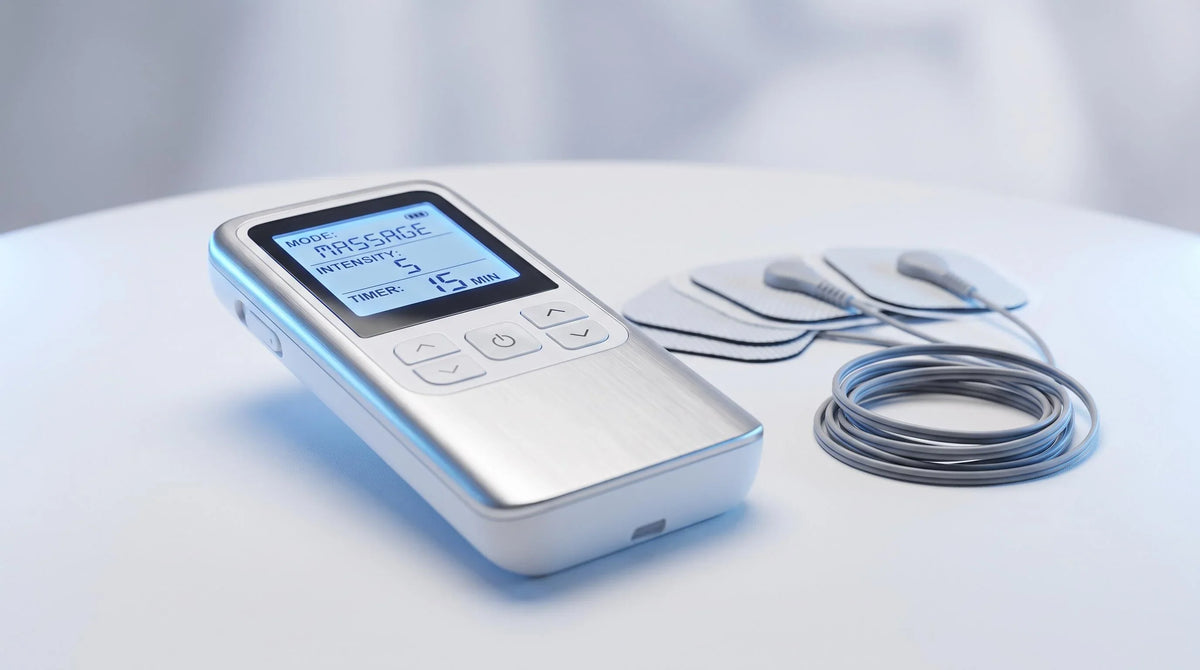
ALT: Professional muscle stimulator device with TENS and EMS modes for drug-free pain relief and muscle recovery at home
Why the Best Muscle Stimulator Combines TENS and EMS in One Device
Key Conclusion: When it comes to choosing a muscle stimulator with TENS and EMS capabilities, the evidence is clear — a dual-mode device delivers the broadest therapeutic value for home users. A TENS EMS combo unit addresses both pain relief and muscle rehabilitation simultaneously, giving you clinical-grade results without a prescription or a clinic visit. For anyone serious about drug-free wellness, this integrated approach is not just convenient — it is scientifically sound.
The modern wellness landscape has shifted dramatically. More people than ever are seeking non-pharmaceutical alternatives for managing chronic pain, accelerating muscle recovery, and improving physical function. Electrotherapy — once confined to physical therapy clinics and sports medicine centers — has moved into the home, and for good reason.
Two of the most widely researched and clinically validated forms of electrotherapy are Transcutaneous Electrical Nerve Stimulation (TENS) and Electrical Muscle Stimulation (EMS). While each modality has distinct mechanisms and benefits, the most versatile and cost-effective solution for home users is a single device that combines both. Understanding what each mode does, how they complement each other, and what to look for in a quality device will help you make a truly informed decision.
Who Should Use a TENS and EMS Muscle Stimulator?
✅ Applicable Scenarios:
- Adults managing chronic pain conditions such as lower back pain, arthritis, sciatica, or fibromyalgia who want drug-free relief
- Athletes and active individuals seeking faster muscle recovery, reduced delayed-onset muscle soreness (DOMS), and improved performance
- Postpartum women and older adults looking to rebuild muscle strength, improve circulation, and support physical rehabilitation at home
- Individuals recovering from minor injuries or surgeries who need gentle, progressive muscle re-engagement under healthcare guidance
- Health-conscious users who want a single, professional-grade device that covers both pain management and muscle conditioning
❌ Not Applicable/Cautions:
- Individuals with implanted electronic devices such as pacemakers or defibrillators — electrical stimulation can interfere with these devices
- Pregnant women should avoid using electrotherapy on the abdomen or lower back without explicit medical approval
- People with active cancer, epilepsy, deep vein thrombosis, or open wounds in the treatment area should consult a physician before use
- Do not use on numb or insensitive skin areas, or near the eyes, throat, or chest without professional guidance
Understanding the Science Behind TENS, EMS, and Why Combining Them Matters
The demand for at-home electrotherapy devices has surged in recent years, and the data reflects a broader cultural shift toward proactive, self-directed healthcare. According to the American Physical Therapy Association, non-pharmacological pain management strategies are increasingly recommended as first-line interventions for musculoskeletal conditions. Electrotherapy fits squarely within this framework.
What TENS Actually Does
TENS (Transcutaneous Electrical Nerve Stimulation) works by delivering low-voltage electrical pulses through the skin to modulate pain signals in the nervous system. The dominant scientific explanation is rooted in the Gate Control Theory of Pain, proposed by Melzack and Wall in 1965. According to this theory, non-painful stimuli — such as the mild electrical current from a TENS unit — can effectively "close the gate" to pain signals traveling to the brain, reducing the subjective perception of pain.
At higher frequencies, TENS also stimulates the release of endorphins — the body's natural analgesics — providing a secondary layer of relief that can last well beyond the treatment session. This makes TENS particularly effective for chronic pain conditions where long-term management is the goal.
What EMS Actually Does
EMS (Electrical Muscle Stimulation) operates on a fundamentally different principle. Rather than targeting the nervous system's pain pathways, EMS delivers electrical impulses that directly cause muscle fibers to contract. These involuntary contractions mimic the physiological effect of voluntary exercise, making EMS useful for a wide range of applications: muscle strengthening, rehabilitation after injury or immobilization, reducing muscle atrophy, improving circulation, and enhancing neuromuscular re-education.
EMS is the technology behind many professional sports recovery protocols. Elite athletes use it to accelerate recovery between training sessions; physical therapists use it to help patients rebuild strength after surgery or prolonged bed rest.
Why a TENS EMS Combo Device Is the Smarter Choice
If you could only choose one electrotherapy device for home use, a TENS EMS combo unit is the objectively superior choice. Here is why: TENS addresses the sensory nervous system to reduce pain, while EMS addresses the motor system to condition and rehabilitate muscle tissue. These are complementary — not competing — mechanisms. Many pain conditions involve both discomfort and underlying muscle weakness or dysfunction. A lower back pain sufferer, for instance, often experiences both nerve-mediated pain and weakened core musculature. A dual-mode device allows you to address both dimensions of that problem with a single investment.
For a deeper look at top-rated options available today, the Best TENS EMS Combo Machine for Home Use guide provides a comprehensive breakdown of what to look for and which devices deliver genuine clinical-grade performance at home.
How to Get the Most from Your TENS EMS Muscle Stimulator: A Practical Guide
Getting Started in Three Simple Steps
Step 1: Assess Your Primary Goal Before Every Session
Before you power on your device, take a moment to identify what you need most from today's session — pain relief, muscle recovery, or strength training. This determines whether you select TENS mode, EMS mode, or a combination protocol. Spend two to three minutes reviewing your body's current state: Is pain your dominant complaint? Activate TENS. Do your muscles feel fatigued or weak from a workout? Reach for EMS mode. Having clarity before you begin ensures you apply the right stimulation type to the right tissue.
Step 2: Prepare Your Skin and Place Electrode Pads Correctly
Clean the target area with mild soap and water and dry thoroughly — clean, lightly moisturized skin ensures optimal electrical conductivity and pad adhesion. Place electrode pads according to the muscle group or pain site being targeted. For TENS, pads should bracket the pain area; for EMS, pads should be positioned along the length of the muscle belly to achieve effective contraction. Avoid bony prominences and sensitive areas. Start with the device at its lowest intensity setting and increase gradually until you feel a comfortable tingling (TENS) or firm contraction (EMS).
Step 3: Set Your Session Duration and Intensity Appropriately
Most electrotherapy protocols recommend sessions that are appropriately timed to the treatment goal — short, focused sessions for acute pain relief and slightly longer sessions for muscle conditioning. Always begin conservatively with intensity, especially if you are new to electrotherapy or returning after a break. After your session, remove the pads gently, clean and store them according to the manufacturer's instructions, and note any observations in a simple wellness journal. Tracking your sessions helps you identify patterns and optimize your protocol over time.
Comparing Your Options: TENS Only, EMS Only, or a TENS EMS Combo Device
Not all electrotherapy devices are created equal. Understanding the core differences between device categories helps you invest wisely. Below is a comparative overview based on modality type — not brand-specific claims — to help you evaluate what best serves your needs.
When comparing device types, it is worth noting that channel count significantly affects treatment efficiency. A four-channel device can stimulate multiple muscle groups simultaneously, dramatically improving session efficiency. The Best 4 Channel TENS Unit: Why Channels Matter article explains this technical advantage in detail and why multi-channel capability is a meaningful upgrade for serious users.
| Comparison Dimension | TENS-Only Device | EMS-Only Device | TENS EMS Combo Device |
|---|---|---|---|
| Primary Application | Pain relief and nerve modulation | Muscle conditioning and rehabilitation | Both pain relief AND muscle therapy |
| Target Tissue | Sensory nerve pathways | Motor nerve and muscle fibers | Both sensory and motor systems |
| Best For | Chronic pain, arthritis, post-injury soreness | Athletes, rehab patients, muscle weakness | Anyone needing comprehensive electrotherapy |
| Versatility | Limited to pain management | Limited to muscle stimulation | Broad: pain, recovery, strength, rehab |
| Value for Money | Moderate (single purpose) | Moderate (single purpose) | High (dual purpose in one device) |
| Ideal User | Chronic pain sufferers only | Athletes or rehab patients only | Health-conscious adults with varied needs |
The table makes the case clearly: for most home users with more than one wellness goal, a dual-mode muscle stimulator with TENS and EMS is the most practical and cost-effective choice.
What Makes a Professional-Grade TENS EMS Device Stand Out
Not every device marketed as a "professional" muscle stimulator delivers clinical-quality performance. Understanding the features that genuinely differentiate high-quality devices from consumer-grade options helps you shop with confidence.
Manufacturing Standards and Quality Certifications
One of the most reliable indicators of device quality is the manufacturing standard to which the product is built. ISO-certified manufacturing — such as that which underpins iStim's product line — signals that the device has been produced under rigorous quality management systems. This matters enormously in electrotherapy, where precise waveform delivery directly affects both safety and therapeutic efficacy.
iStim's devices are built on ISO-certified Taiwanese manufacturing, a detail that carries real weight. Taiwan has a long-standing reputation for precision medical device manufacturing, and ISO certification ensures the production process meets internationally recognized quality benchmarks. This is the standard used by clinical-grade devices found in hospitals and physical therapy clinics.
Waveform Quality and Mode Breadth
A quality TENS EMS combo device should offer a meaningful range of modes and adjustable parameters — including frequency, pulse width, and intensity — to allow the user to customize treatment to their specific condition and tolerance. Generic devices often offer only preset programs with limited adjustability, which restricts therapeutic effectiveness over time as the body adapts to repeated stimulation patterns.
For users interested in a specific model evaluation, the EV-805 Review: Who Is This TENS EMS Combo Machine Best For? offers an honest, detailed look at a real-world TENS EMS device and the user profiles it best serves.
Electrode Pad Quality and Reusability
The quality of electrode pads directly affects treatment comfort, conductivity, and session effectiveness. High-quality pads maintain consistent conductivity over multiple uses and adhere reliably to the skin without causing irritation. If you are evaluating devices based on long-term cost and sustainability, pad reusability and availability are important practical considerations. For a detailed look at rechargeable devices that also prioritize electrode pad quality, see this guide on the Best Rechargeable TENS EMS Machine with Electrode Pads.
Portability and User Interface
For home users, portability and ease of use are not trivial concerns — they directly affect adherence. A device that is cumbersome to operate or difficult to carry between rooms will simply be used less often. Look for intuitive controls, a clear display, and a form factor that supports consistent daily use without friction.
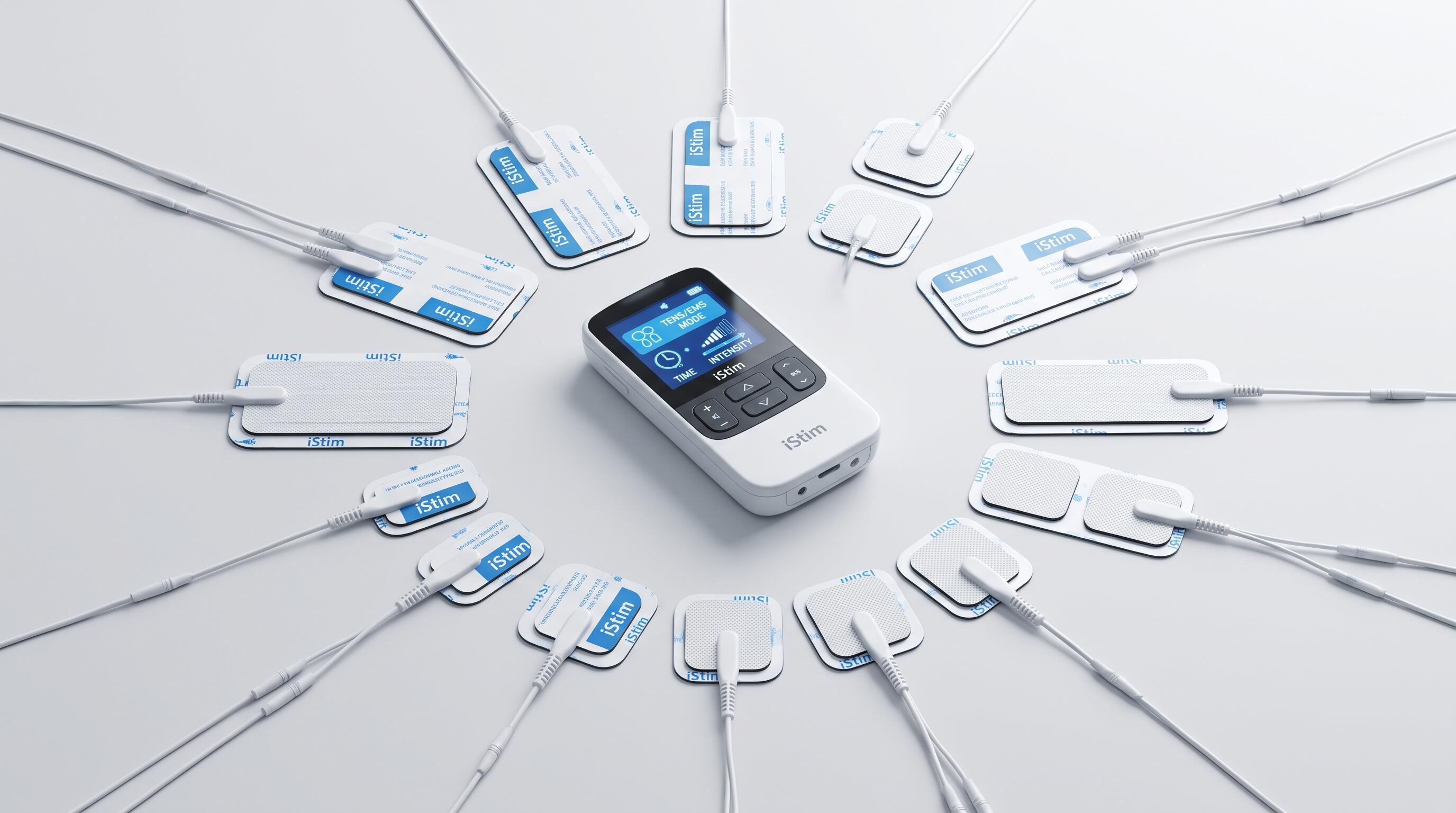
ALT: iStim TENS EMS combo muscle stimulator with electrode pads for drug-free pain relief and muscle recovery at home
Advanced Considerations: Getting More from Electrotherapy Over Time
Managing Special Situations and Evolving Needs
As your familiarity with electrotherapy grows, you may encounter situations that require a more nuanced approach. Here are three scenarios worth understanding:
Plateau in Pain Relief: It is normal for the body to partially adapt to repeated TENS stimulation over time. If you notice diminishing returns, try adjusting the stimulation frequency, switching between preset programs, or briefly pausing TENS use for a few days. Varying the modulation pattern prevents neurological adaptation and maintains effectiveness.
Transitioning from Pain Management to Muscle Conditioning: Many users begin electrotherapy primarily for pain relief and later discover the value of EMS for reconditioning muscles that have weakened due to pain-related inactivity. This transition — from passive pain management to active muscle rehabilitation — is one of the most powerful benefits of owning a TENS EMS combo device. A healthcare provider or physical therapist can help you design a progressive protocol.
Using Electrotherapy Alongside Other Treatments: TENS and EMS are complementary therapies, not replacements for medical treatment. They work particularly well alongside physical therapy, corrective exercise, massage, and appropriate medical care. Transparent communication with your healthcare provider about your electrotherapy use ensures all elements of your wellness plan work synergistically.
Common Misconceptions Clarified
A persistent myth is that more intensity equals more benefit. In fact, excessively high intensity in TENS can cause discomfort without additional pain relief, and overly intense EMS contractions can strain muscle tissue rather than condition it. Effective electrotherapy is about appropriate stimulation, not maximal stimulation.
Another misconception is that a device labeled "TENS" can double as EMS and vice versa. While both modalities use electrical current, the waveform characteristics, frequencies, and intended physiological targets are different. Only a purpose-built TENS EMS combo device reliably delivers both modalities at appropriate clinical parameters.
Frequently Asked Questions FAQ
Q1: How do I know which mode — TENS or EMS — to use for my condition?
The general rule is: use TENS for pain relief and EMS for muscle conditioning. If your primary complaint is pain — whether from arthritis, back problems, nerve-related discomfort, or post-exercise soreness — start with TENS mode. If your goal is to strengthen a specific muscle group, rehabilitate after an injury, or accelerate muscle recovery, activate EMS mode. Many users benefit from using both modes in a single session — TENS first to reduce pain and relax the area, followed by EMS to stimulate muscle engagement. When in doubt, consult your healthcare provider for a personalized protocol.
Q2: Is it safe to use a TENS EMS muscle stimulator every day?
For most healthy adults, daily use of a TENS EMS device is considered safe when used as directed and at appropriate intensity levels. TENS, in particular, can be used multiple times per day for pain management. EMS sessions, however, should be spaced to allow muscle recovery — much like conventional exercise. Always follow the manufacturer's guidelines, begin with conservative session parameters, and consult a qualified healthcare professional if you have any underlying medical conditions, are pregnant, or have implanted electronic medical devices.
Q3: How long does it take to see results from a TENS EMS muscle stimulator?
Results vary based on the individual, the condition being addressed, and consistency of use. Many users report noticeable pain relief from TENS during or immediately after the first session. Cumulative benefits — such as reduced chronic pain levels over time or measurable improvements in muscle strength from EMS — typically become evident after several weeks of consistent use. Clinical research suggests that a structured protocol of regular sessions over multiple weeks produces the most meaningful and lasting outcomes. Patience and consistency are key to maximizing the therapeutic value of electrotherapy.
Summary
The case for choosing a muscle stimulator with TENS and EMS modes comes down to three core principles:
Comprehensive Therapeutic Coverage: TENS and EMS address different — but often coexisting — aspects of musculoskeletal health. A single device that offers both modalities allows you to manage pain, support recovery, and build functional strength without purchasing separate units or visiting a clinic for every session.
Professional Quality at Home: The gap between clinical-grade electrotherapy and consumer devices has narrowed significantly. Brands like iStim — built on ISO-certified manufacturing and trusted by over 20,000 Amazon customers — bring genuine professional-grade quality into the home environment, making effective electrotherapy accessible and sustainable for everyday users.
Drug-Free, Empowering Self-Care: Perhaps most importantly, a quality TENS EMS combo device returns a meaningful degree of control over pain and recovery to the individual. In an era of increasing concern about pharmaceutical dependency and the costs of ongoing clinical care, electrotherapy offers a scientifically validated, side-effect-minimal alternative that fits into real daily life.
Your next step is straightforward: identify your primary wellness goal, assess your lifestyle and usage needs, and invest in a device that meets professional manufacturing standards. The right muscle stimulator with both TENS and EMS modes will serve you for years — through workouts, recovery days, pain flares, and rehabilitation milestones alike.
Ready to experience drug-free pain relief and muscle wellness from the comfort of your home? Explore iStim's full range of professional-grade TENS, EMS, and Kegel devices at https://istim.com/ and find the right solution tailored to your needs. Join over 20,000 satisfied customers who trust iStim to power their recovery and well-being every day.
References
- American Physical Therapy Association. "Pain Management and Physical Therapy".
https://www.apta.org/patient-care/interventions/pain-management - National Institutes of Health — National Library of Medicine. "Transcutaneous Electrical Nerve Stimulation (TENS) for Pain Relief".
https://www.ncbi.nlm.nih.gov/pmc/articles/PMC3963002/ - National Institutes of Health — National Library of Medicine. "Neuromuscular Electrical Stimulation (NMES/EMS) in Clinical Practice".
https://pubmed.ncbi.nlm.nih.gov/28630614/ - U.S. Food and Drug Administration. "Electrical Muscle Stimulators — Consumer Information".
https://www.fda.gov/medical-devices/home-use-devices/electrical-muscle-stimulators - Cleveland Clinic. "Transcutaneous Electrical Nerve Stimulation (TENS)".
https://my.clevelandclinic.org/health/treatments/15840-transcutaneous-electrical-nerve-stimulation-tens
Note: Standards and clinical guidelines may be updated. Please check the latest official documents or consult a professional healthcare advisor for the most current recommendations.
About iStim
iStim is a Los Angeles-based electrotherapy brand specializing in professional-grade TENS, EMS, and Kegel devices for home use, backed by ISO-certified Taiwanese manufacturing and a community of 20,000+ satisfied Amazon customers. Learn more at istim.com.
Disclaimer: This article is provided for informational and educational purposes only and does not constitute medical advice. Always consult a qualified healthcare professional before beginning any new pain management or electrotherapy regimen. © iStim. All rights reserved.