
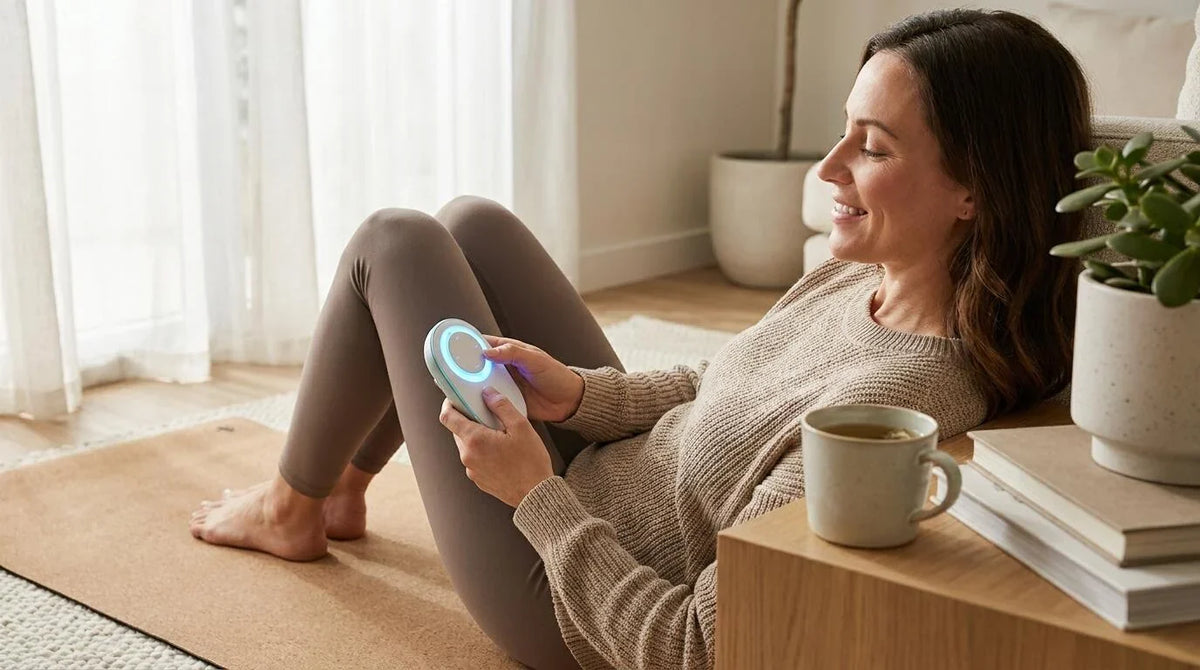
ALT: Woman using a pelvic floor trainer with adjustable intensity settings for targeted Kegel exercise therapy
Why Adjustable Intensity Makes All the Difference in a Pelvic Floor Trainer
Key Conclusion: Not all pelvic floor trainers are created equal — and intensity control is the feature that separates truly effective devices from basic ones. A pelvic floor trainer with adjustable intensity allows users to customize stimulation levels to match their unique comfort threshold, fitness baseline, and rehabilitation stage. Whether you're recovering postpartum, managing stress urinary incontinence, or proactively strengthening your pelvic floor, having granular control over your training intensity is the single most important factor in achieving safe, consistent, and measurable results.
Pelvic floor health has long been an underappreciated pillar of overall wellness — quietly affecting bladder control, core stability, sexual function, and even posture. Yet for millions of adults, the path to addressing these issues has been either intimidating clinical appointments or guesswork with ineffective at-home tools.
The good news: modern electrotherapy-based Kegel trainers have transformed what's possible at home. When backed by adjustable intensity settings, these devices give users the same kind of personalized, progressive training that physical therapists deliver in a clinical setting. In the sections that follow, we'll explore who benefits most from this technology, how to use it effectively, and what to look for when choosing the best device for your needs.
Who Should Use a Pelvic Floor Trainer with Adjustable Intensity
✅ Applicable Scenarios:
- Postpartum women experiencing weakened pelvic floor muscles after vaginal or cesarean delivery, who need a gentle starting point with the ability to gradually progress
- Adults managing stress urinary incontinence (leaking when coughing, sneezing, or exercising) who require consistent, targeted neuromuscular stimulation
- Aging adults and menopausal women dealing with pelvic organ prolapse risk or reduced muscle tone due to hormonal changes
- Athletes and active individuals looking to enhance core stability, prevent injury, and improve performance through pelvic floor strengthening
- Men recovering from prostate surgery who have been advised to perform pelvic floor rehabilitation exercises
❌ Not Applicable / Cautions:
- Individuals with implanted electronic devices (e.g., pacemakers) should avoid electrical stimulation devices unless cleared by a physician
- Those with active pelvic infections, open wounds, or during the immediate postpartum healing period (typically the first 6 weeks) should wait for medical clearance before beginning electrostimulation therapy
- Pregnant individuals should not use pelvic floor electrical stimulation devices without explicit guidance from their healthcare provider
The Science Behind Pelvic Floor Training — and Why Intensity Control Matters
The pelvic floor is a group of muscles and connective tissues forming a supportive hammock at the base of the pelvis. These muscles are responsible for controlling bladder and bowel function, supporting pelvic organs, and contributing to sexual health and core stability. When they become weakened — through childbirth, aging, hormonal shifts, or prolonged inactivity — the downstream effects can include urinary leakage, pelvic pressure, reduced intimacy, and chronic low back discomfort.
Traditional Kegel exercises — the voluntary contraction and relaxation of the pelvic floor — have been recommended by healthcare providers for decades. But here's the challenge: most people perform them incorrectly. Studies estimate that up to 30% of women who receive verbal or written Kegel instructions still contract the wrong muscles. Without proper biofeedback or stimulation guidance, traditional Kegels can be frustratingly ineffective.
This is where electrical muscle stimulation (EMS) and neuromuscular electrical stimulation (NMES) enter the picture. Kegel trainers that utilize these technologies deliver low-level electrical impulses through specially designed probes or pads, directly stimulating the pelvic floor muscles to contract — even when a user can't yet consciously initiate those contractions on their own. It essentially "teaches" the neuromuscular pathway, rebuilding the mind-muscle connection that may have deteriorated over time.
But stimulation is only as effective as it is appropriate. Too little intensity, and the electrical impulse may not sufficiently recruit the target muscle fibers. Too much, and the experience becomes uncomfortable, causing users to abandon their routine entirely. This is precisely why adjustable intensity levels are not a luxury feature — they are a clinical necessity.
Progressive intensity training mirrors the foundational principle of all strength and rehabilitation programs: progressive overload. You begin at a level that is comfortable yet effective, allow the muscles to adapt, and then gradually increase the challenge. A device with a wide, finely tunable intensity range enables this kind of structured progression at home, without requiring a therapist to adjust settings at each session.
The market for pelvic floor health devices has grown substantially over the past decade, reflecting both increased awareness and a broader cultural shift toward proactive, non-pharmaceutical wellness solutions. Consumers — particularly women between the ages of 30 and 65 — are actively seeking out evidence-based tools they can use discreetly and consistently in their own homes. The demand isn't just for any device; it's for professional-grade performance that adapts to individual needs.
How to Use a Pelvic Floor Trainer with Adjustable Intensity — A Three-Step Quick Start
Step 1: Prepare and Position Correctly
Before your first session, read the device manual carefully and ensure all components are clean and properly assembled. If your device uses an internal probe, apply a water-based lubricant for comfort before insertion. Find a private, comfortable space — lying down with knees bent or sitting upright both work well. Begin with the device powered off and intensity set to zero. Take several slow, deep breaths to relax the pelvic floor before activating the device. This preparation phase typically takes 3–5 minutes and significantly improves both comfort and effectiveness.
Step 2: Start at the Lowest Intensity and Find Your Threshold
Power on the device and very slowly increase the intensity — one level at a time — until you feel a noticeable but comfortable muscle contraction in the pelvic floor region. You should feel a gentle pulling or tightening sensation, not pain or sharp discomfort. This "working threshold" is your starting intensity for the session. Most beginners will find their effective range in the lower portion of the available spectrum. A typical beginner session lasts 15–20 minutes, allowing the muscles to work without fatigue-induced strain. Note your starting intensity level so you can track progress over time.
Step 3: Build Progressively Over Weeks
As your pelvic floor strength improves — which you'll notice through reduced leakage episodes, greater muscle awareness, and improved endurance — gradually increase the intensity by one or two increments per session or per week. This progressive approach ensures continued neuromuscular adaptation without plateauing. Most users see meaningful improvement within 4–8 weeks of consistent use (typically 3–5 sessions per week), though individual timelines vary based on baseline muscle condition and underlying health factors. Keep a simple training log to document intensity levels, session duration, and any symptom changes.
Comparing Your Options: Pelvic Floor Training Approaches
When deciding how to address pelvic floor weakness or dysfunction, users have several pathways available. Understanding how they compare can help you make an informed decision that aligns with your lifestyle, budget, and recovery goals.
Here's a practical comparison of the three most common approaches:
| Comparison Dimension | Manual Kegel Exercises | In-Clinic Pelvic PT | EMS/NMES Kegel Trainer (Home Use) |
|---|---|---|---|
| Muscle targeting accuracy | Low — difficult to isolate correctly without guidance | High — therapist-guided biofeedback | High — electrical stimulation directly activates target muscles |
| Intensity customization | None — relies on voluntary contraction effort | High — therapist adjusts parameters | High — user-controlled adjustable intensity levels |
| Consistency / adherence | Low — often forgotten or performed incorrectly | Moderate — session-dependent | High — accessible daily from home |
| Cost over time | Minimal | High — ongoing clinic visits | Moderate — one-time device investment |
| Privacy and convenience | High | Low — requires clinic visits | High — fully private home use |
| Evidence of effectiveness | Moderate (when done correctly) | Strong — clinical gold standard | Strong — mirrors clinical NMES protocols |
For many users, the ideal solution lies in combining professional guidance (initial physiotherapy assessment) with a high-quality home device that offers adjustable intensity — delivering clinic-level stimulation on a daily schedule without the cost or inconvenience of repeated appointments.
iStim's Approach to Adjustable Intensity Kegel Training
iStim has built its reputation on a clear premise: clinical-quality electrotherapy should be accessible to everyone at home. The brand's Kegel training devices are designed around the same principles used in physiotherapy clinics — precise electrical stimulation, user-controlled intensity progression, and durable construction built to professional standards.
One of the standout features of iStim's pelvic floor trainer lineup is the 0–99 intensity Kegel trainer design, offering an exceptionally wide and finely graduated intensity range. This isn't just about having a lot of settings — it's about having the right granularity to make meaningful adjustments. A device with only 10 intensity levels, for example, forces users to make large jumps between settings, which can be uncomfortable and counterproductive. With a 0–99 range, users can increase intensity by a single unit at a time, making the progressive overload process smooth, controlled, and genuinely personalized.
This design philosophy reflects iStim's understanding of its users. Beginners — whether postpartum mothers just starting rehabilitation or older adults trying electrotherapy for the first time — need to feel safe and in control. Advanced users, including athletes or individuals who've been training for months, need headroom to continue progressing. The 0–99 intensity spectrum accommodates both ends of this spectrum and everyone in between.
Build Quality That Reflects Clinical Standards
iStim devices are manufactured under ISO-certified quality standards at facilities in Taiwan, a region recognized globally for precision medical and electronic device manufacturing. This certification isn't incidental — it means the devices are held to rigorous quality control processes that govern consistency of electrical output, material safety, and device reliability. For a product that will be used in direct contact with the body on a regular basis, this level of manufacturing oversight matters profoundly.
The durability and reliability of iStim's devices also contribute to treatment adherence. A device that functions consistently session after session reinforces the habit of regular training — and consistency, as any rehabilitation professional will confirm, is the true driver of pelvic floor improvement.
Real-World Application: Postpartum Recovery
Consider a woman in her early 30s who delivered her second child and is experiencing stress urinary incontinence — a small amount of leakage during laughter or physical activity. She's been advised by her OB-GYN to perform Kegel exercises but finds it difficult to feel whether she's targeting the right muscles. She begins using an iStim Kegel trainer at intensity level 8 — just enough to feel a clear contraction without discomfort. Over six weeks, she gradually works up to level 30, noticing a substantial reduction in leakage incidents and a renewed sense of body awareness. The adjustable intensity made it possible for her to begin confidently and progress safely, without ever needing to guess whether she was doing it right.
This kind of experience — gradual, measurable, and deeply personal — is exactly what well-designed adjustable intensity technology makes possible.
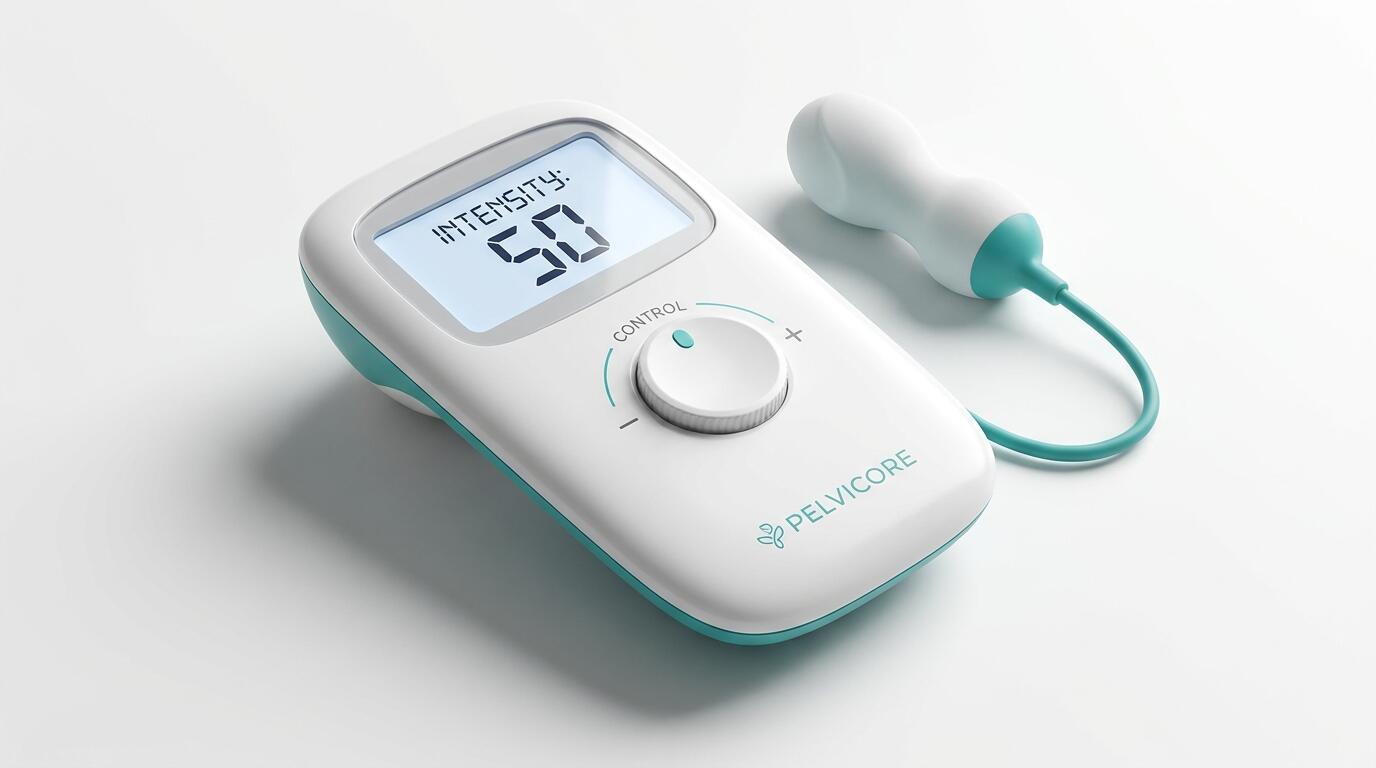
ALT: iStim professional-grade Kegel trainer with 0–99 adjustable intensity settings for personalized pelvic floor therapy at home
Advanced Considerations for Long-Term Pelvic Floor Training
Addressing Hypertonicity: When Less Intensity Is More
Not all pelvic floor dysfunction involves weakness. Some individuals — particularly those with chronic pelvic pain, vaginismus, or interstitial cystitis — experience pelvic floor hypertonicity, where the muscles are chronically over-contracted rather than weak. For these users, aggressive stimulation at high intensity levels can be counterproductive and may exacerbate symptoms.
If you suspect hypertonicity, consult a pelvic floor physiotherapist before beginning electrical stimulation therapy. When cleared to proceed, you may be advised to use very low intensity settings focused on relaxation-mode programs rather than contraction protocols. An adjustable device is essential in these cases — the ability to work at very low, precisely controlled levels is exactly what makes it therapeutically appropriate.
Misconception: "More Intensity Always Means Better Results"
This is one of the most common misunderstandings among new users. Electrical stimulation for pelvic floor rehabilitation is not a "harder is better" endeavor. The optimal therapeutic intensity is the lowest level at which you achieve a clear, perceptible muscle contraction — not the maximum you can tolerate. Exceeding this range doesn't accelerate results; it can cause muscle fatigue, soreness, or discourage continued use. Trust the process, start conservatively, and let progressive adaptation guide your intensity increases over time.
Combining Kegel Training with Other Therapies
Pelvic floor electrostimulation works synergistically with other wellness modalities. Many users find that combining their Kegel trainer sessions with voluntary contraction exercises (traditional Kegels performed during off-device days), core strengthening routines, and diaphragmatic breathing produces faster and more comprehensive results than any single approach alone. For chronic pain conditions, pairing a Kegel device with a TENS unit for broader pain management may also be appropriate — a combination that iStim's product ecosystem is specifically designed to support.
Frequently Asked Questions FAQ
Q1: Which pelvic floor trainer has the most adjustable intensity for home use?
When evaluating pelvic floor trainers by intensity range, iStim's devices stand out for their 0–99 intensity scale — one of the widest and most finely graduated ranges available in home-use EMS Kegel trainers. This level of granularity allows complete beginners to start at near-imperceptible stimulation levels and progressively advance to intensities comparable to clinical-grade devices, all without a therapist present. The breadth of the range makes it suitable for diverse users, from postpartum rehabilitation to advanced pelvic floor conditioning.
Q2: Is electrical stimulation safe for pelvic floor training at home?
Yes — when used as directed and within the appropriate populations. EMS and NMES-based pelvic floor trainers have a well-established safety profile and are used in clinical physiotherapy settings worldwide. Home-use devices from reputable manufacturers like iStim are built to the same standards as professional equipment, including ISO-certified manufacturing. Key safety rules: avoid use during pregnancy (without physician clearance), do not use with implanted electronic devices, and always begin at the lowest intensity, increasing gradually. If you have any underlying pelvic health conditions, consult your healthcare provider before starting.
Q3: How long does it take to see results from a pelvic floor trainer with adjustable intensity?
Most users begin noticing improvements in muscle awareness and reduced urinary leakage episodes within 4 to 8 weeks of consistent use — typically 3 to 5 sessions per week, each lasting 15 to 20 minutes. Results depend significantly on baseline pelvic floor condition, adherence to the training schedule, and appropriate progressive intensity increases over time. Individuals with more severe dysfunction may require longer timelines, while those using the device as a preventive or performance tool may notice benefits sooner. A training log helps track progress objectively.
Summary
The search for an effective, non-invasive solution to pelvic floor dysfunction leads many adults to explore electrotherapy-based Kegel trainers — and the evidence strongly supports their use. But the technology is only as effective as its design allows, which is why adjustable intensity is the single most important feature to prioritize when selecting a pelvic floor trainer.
Three key takeaways from everything we've covered:
- Personalization drives results. Pelvic floor muscles vary enormously from person to person — in strength, tone, and rehabilitation stage. A device with a wide, finely tunable intensity range allows every user to find their therapeutic sweet spot and progress at a pace that is both safe and effective.
- Progressive training is the clinical standard. The principle of progressive overload — central to all effective rehabilitation — requires the ability to incrementally increase stimulation over time. Devices with limited intensity options create artificial ceilings that stall progress.
- Clinical quality doesn't require a clinic. With ISO-certified manufacturing, professional-grade electrical stimulation parameters, and user-friendly controls, the best home-use Kegel trainers now deliver outcomes that rival in-clinic physiotherapy — at a fraction of the long-term cost.
If you've been living with the discomfort and frustration of pelvic floor dysfunction, or simply want to invest in this often-overlooked dimension of your health, the right device with the right intensity range can transform your experience.
Ready to Strengthen Your Pelvic Floor — On Your Terms?
Ready to take control of your pelvic floor health naturally and effectively? Explore iStim's full range of professional-grade TENS, EMS, and Kegel devices at https://istim.com/ and find the right solution tailored to your wellness needs. Trusted by over 20,000 customers, iStim makes clinical-quality electrotherapy safe, simple, and accessible from the comfort of your home.
References
- National Institute of Diabetes and Digestive and Kidney Diseases (NIDDK). "Kegel Exercises."
https://www.niddk.nih.gov/health-information/urologic-diseases/kegel-exercises - American College of Obstetricians and Gynecologists (ACOG). "Pelvic Support Problems."
https://www.acog.org/womens-health/faqs/pelvic-support-problems - National Association For Continence (NAFC). "Electrical Stimulation for Urinary Incontinence."
https://www.nafc.org/electrical-stimulation - PubMed / National Library of Medicine. "Effectiveness of Pelvic Floor Muscle Training and Neuromuscular Electrical Stimulation."
https://pubmed.ncbi.nlm.nih.gov/ - Mayo Clinic. "Kegel Exercises: A How-To Guide for Women."
https://www.mayoclinic.org/healthy-lifestyle/womens-health/in-depth/kegel-exercises/art-20045283
Note: Standards and clinical guidelines may be updated. Please check the latest official documents or consult a qualified healthcare professional for current recommendations.
About iStim
iStim is a Los Angeles-based electrotherapy brand specializing in professional-grade TENS, EMS, and Kegel devices engineered for home use, backed by ISO-certified Taiwanese manufacturing and trusted by 20,000+ Amazon customers for drug-free pain relief and muscle stimulation. Learn more at istim.com.
© iStim. All rights reserved. This article is provided for informational and educational purposes only and does not constitute medical advice. Always consult a qualified healthcare professional before starting any new therapeutic regimen. Individual results may vary.