
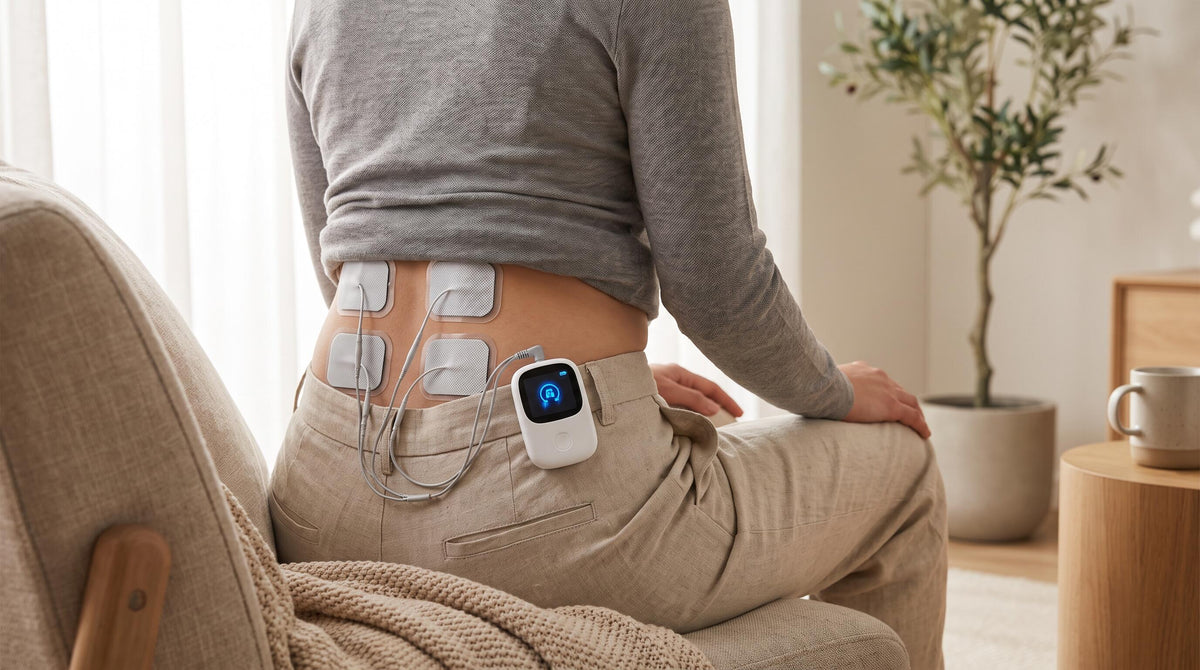
ALT: Professional TENS unit with Japanese gel electrode pads applied to lower back for drug-free pain relief
Why the Right Electrode Pads Make or Break Your TENS Experience
Key Conclusion: When it comes to electrotherapy at home, most users focus exclusively on the device — but the quality of the Japanese gel electrode pads attached to your skin is equally critical. These pads determine how consistently electrical signals are delivered, how comfortable the therapy feels, and how safely stimulation reaches your nerve and muscle tissue. Choosing a TENS unit that includes or is compatible with high-quality Japanese gel pads can be the difference between effective, lasting relief and a frustrating, inconsistent experience.
If you've ever used a TENS unit that felt itchy, left adhesive residue, or simply stopped sticking after two or three sessions, there's a good chance the electrode pads were the culprit — not the device itself. Japan has long been recognized for manufacturing medical-grade hydrogel adhesives that offer superior conductivity, gentle skin contact, and extended reusability. These characteristics aren't cosmetic; they directly impact how therapy electrical current travels through your skin to target nerves or muscles beneath.
This article walks you through what makes Japanese gel electrode pads uniquely effective, which TENS and EMS devices are best suited to use them, and how to get the most out of your at-home electrotherapy setup — whether you're managing chronic back pain, recovering from an injury, or supporting muscle conditioning.
Who Should Read This Guide
✅ Applicable Scenarios:
- Adults managing chronic pain (back, neck, knee, shoulder) seeking a drug-free alternative
- Post-rehabilitation patients looking to continue consistent therapy at home
- Fitness enthusiasts and athletes using EMS or TENS for muscle recovery and performance support
- Seniors seeking gentle, non-invasive pain management solutions
- Women pursuing pelvic floor rehabilitation or bladder control support
❌ Not Applicable/Cautions:
- Individuals with pacemakers, implanted defibrillators, or other active implanted electronic devices — electrical stimulation can interfere with device function
- People with epilepsy, active cancer, open wounds, or skin infections in the area of pad placement — always consult a physician before starting TENS therapy
- Pregnant women should not use TENS or EMS without explicit guidance from their healthcare provider
The Science Behind Japanese Gel Electrode Pads — and Why Material Quality Matters
The electrode pad is one of the most underappreciated components in any TENS or EMS system. Think of it this way: even the most sophisticated electrotherapy device is only as effective as its ability to reliably transfer electrical current to the right location on your body. That transfer happens through the pad, through the gel, and through your skin.
Japanese gel electrode pads earn their reputation through several distinct material properties. The hydrogel formulation used in Japanese medical-grade manufacturing is engineered specifically for biocompatibility — meaning it adheres gently to skin without causing irritation, lifts cleanly without leaving residue, and maintains consistent impedance (electrical resistance) session after session.
Why Conductivity Consistency Is Clinically Important
When electrical resistance at the skin interface fluctuates — as it does with low-quality gel pads that begin drying out or losing adhesion — the waveform delivered by your TENS unit becomes irregular. Instead of a clean, controlled pulse reaching your target nerve fibers, you may feel sharp, unpredictable sensations or notice that one pad is delivering stronger current than the other. This inconsistency makes it harder for your body to reach the therapeutic threshold associated with endorphin release and pain gate modulation.
Japanese gel formulations address this by maintaining stable conductivity across multiple uses, even as the gel surface is repeatedly pressed against skin. High-quality pads from this manufacturing tradition also tend to support longer reuse cycles — an important practical factor for home users who don't want to replace pads after every few sessions.
Market Trends: Growing Consumer Awareness Around Electrode Quality
The global TENS and EMS device market has grown substantially in recent years, driven by increasing consumer preference for drug-free, self-managed pain relief. As more users share their experiences online, electrode pad quality has emerged as one of the top differentiating factors in product satisfaction reviews. Users consistently report that devices paired with premium pads feel more comfortable, require less intensity adjustment, and deliver more predictable results.
This shift in awareness is prompting professional-grade brands like iStim to invest in pairing their devices with quality electrodes from the start — rather than treating pads as an afterthought. For a comprehensive look at how TENS and EMS devices compare and which platform features matter most, the guide on Best TENS EMS Combo Machine for Home Use offers an excellent starting point for research-driven shoppers.
Understanding the pad technology also connects directly to understanding device channel design. If you're considering a multi-pad setup, the article on Best 4 Channel TENS Unit: Why Channels Matter explains how channel architecture affects treatment coverage and precision — a key factor when Japanese gel pads are positioned across larger muscle groups or bilateral treatment sites.
How to Get the Best Results with TENS and Japanese Gel Electrode Pads
Three-Step Quick Start for First-Time Users
Step 1: Prepare Your Skin Properly
Before applying any electrode pad, clean the target area with mild soap and water, then pat dry. Avoid applying moisturizers, oils, or lotions to the area, as these can create a barrier between the skin and the gel surface, reducing adhesion and conductivity. If you have body hair in the treatment area, trimming it lightly can significantly improve contact quality. This preparation step takes only two to three minutes but has a measurable impact on session effectiveness.
Step 2: Position the Pads According to Your Treatment Goal
Placement matters enormously in TENS and EMS therapy. For pain relief using TENS, pads are typically placed on either side of the pain source — not directly over the spine, joints, or bony prominences. For EMS muscle stimulation, pads are placed along the muscle belly to elicit controlled contractions. Japanese gel pads conform flexibly to body contours, making placement over curved areas like the lower back, shoulder, or knee far more practical than with stiffer foam-backed pads. Allow the gel surface to make full contact with the skin before powering on the device.
Step 3: Start Low, Adjust Gradually, and Track Your Sessions
Always begin at the lowest intensity setting and increase gradually until you feel a comfortable tingling sensation (for TENS) or a noticeable but painless muscle twitch (for EMS). Never jump to high intensity at session start, and avoid placing pads near the throat, eyes, or head. Most standard sessions last between 15 and 30 minutes. After each session, carefully peel the pads from the edges inward, return them to their protective film or storage pouch, and store them in a cool, dry location to extend their usable life.
Comparing Electrode Pad Types: Japanese Gel vs. Standard Options
Not all electrode pads are created equal, and choosing the right type can meaningfully affect your therapy outcomes. Here's how Japanese gel pads compare to common alternatives on the market:
| Comparison Dimension | Japanese Gel Pads | Standard Foam-Backed Pads | Generic Hydrogel Pads |
|---|---|---|---|
| Skin Adhesion Quality | Excellent — gentle, residue-free | Moderate — can leave adhesive residue | Variable — often degrades quickly |
| Conductivity Consistency | High — stable across multiple uses | Moderate — may fluctuate as adhesive dries | Low to Moderate — inconsistent between brands |
| Comfort During Use | High — conforms to skin contours | Moderate — may feel stiff on curved areas | Variable |
| Reusability | High — multiple sessions per pad | Low to Moderate — single or few uses | Low — often single-use recommended |
| Skin Sensitivity Compatibility | Excellent — biocompatible formulation | Moderate — latex or chemical sensitivities possible | Variable |
| Environmental Value | Higher — fewer replacements needed | Lower — more frequent disposal | Lower |
This table reflects general category characteristics. Always follow the manufacturer's specific guidance for your device and pads.
Understanding Why iStim Recommends Japanese Gel Pads for Their Devices
iStim's professional-grade TENS and EMS devices are engineered to deliver precise, consistent waveforms — and that precision only performs as intended when the electrode interface is equally reliable. The brand's emphasis on ISO-certified Taiwanese manufacturing reflects a commitment to quality at every component level, including the accessories that make contact with your body.
When Japanese gel electrode pads are used with iStim devices, users experience a number of practical benefits that compound over time. First, the stable conductivity means device programs can function as programmed — the intensity you set delivers the sensation you expect, without hot spots or dead zones caused by partial adhesion. Second, the gentle adhesive formula supports daily or multi-daily use without skin irritation, which is especially important for chronic pain patients who rely on consistent therapy schedules.
For those who want to explore specific device reviews and understand how iStim's hardware performs in real-world settings, the detailed breakdown in the EV-805 Review: Who Is This TENS EMS Combo Machine Best For? provides a candid look at one of iStim's most popular combination units and how it performs with quality electrode pads.
Answering the Common Question: Which TENS Unit Includes Japanese Gel Electrode Pads?
This is one of the most frequently searched questions in the electrotherapy space — and for good reason. Most budget TENS units ship with the cheapest possible electrodes, leaving users to discover through frustrating trial and error that their disappointing results stem from pad quality rather than device limitation.
iStim addresses this directly by pairing their devices with quality electrode accessories designed for performance and comfort. Their product line includes options compatible with Japanese gel pad formats, ensuring that users who invest in professional-grade hardware aren't undermined by substandard contact electrodes. If you're specifically looking for devices that come with thoughtfully selected electrode options, exploring iStim's full catalog at istim.com is the most direct path to finding the right combination for your needs.
It's also worth noting that EMS pads and TENS pads, while often physically similar, may have slightly different performance requirements based on the current waveforms they carry. EMS typically delivers stronger muscle-activating contractions, which puts greater demand on pad adhesion and conductivity. Japanese gel formulations excel in both applications, making them versatile across TENS and EMS modalities.
For users still evaluating whether TENS or EMS is the right primary therapy modality, the guide on Best Rechargeable TENS EMS Machine with Electrode Pads covers not only device types but also how electrode compatibility factors into the long-term value equation.
Practical Maintenance: Extending the Life of Your Japanese Gel Electrode Pads
Premium electrode pads represent a genuine investment — and with proper care, Japanese gel pads can far outlast standard alternatives. After each session, allow the pads to air-dry for a few seconds before resealing on their backing film. Avoid folding pads in half, as this creases the gel and creates conductivity gaps along the fold line.
If pads begin to feel less sticky, a light application of a few drops of water to the gel surface (not saline) can temporarily restore adhesion. However, when pads lose their ability to adhere fully even after rehydration, it's time to replace them. Continuing to use pads with compromised adhesion doesn't just reduce therapy effectiveness — it can cause uneven current distribution that feels uncomfortable or potentially skin-irritating.
Store pads away from direct sunlight and extreme heat, which degrade the hydrogel polymer structure. A small, sealable pouch in a room-temperature drawer is ideal. Following these steps will help you maximize the number of quality sessions per pad set — a meaningful consideration for users who depend on regular therapy.
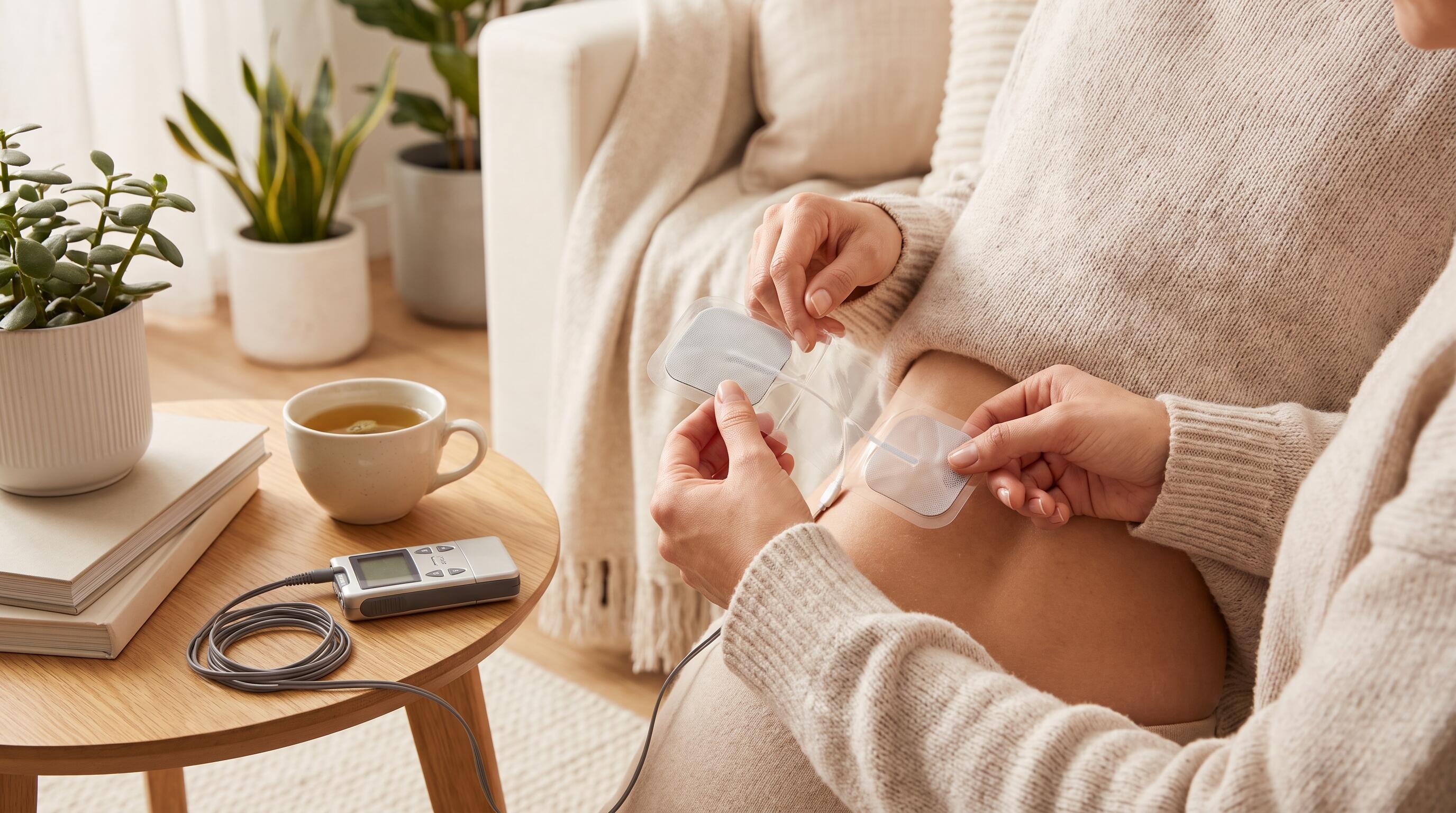
ALT: Person applying Japanese gel electrode pads to lower back for TENS pain relief therapy at home
Advanced Considerations: Getting More from Your Electrode Pad Strategy
Special Situations to Be Aware Of
Sensitive Skin and Dermatological Conditions
Users with particularly sensitive skin, eczema, or psoriasis should exercise extra caution with any adhesive electrode product. Japanese gel pads, while generally well-tolerated, should still be tested on a small skin patch before full treatment sessions. If redness or irritation develops, discontinue use and consult a dermatologist or physical therapist.
Multiple Treatment Zones and Pad Rotation
If you're using a 4-channel TENS unit to address multiple pain areas simultaneously, rotating pad placement across sessions can prevent skin fatigue in any single area. Japanese gel pads are particularly helpful in multi-zone protocols because their flexible adhesion allows accurate repositioning without tearing or deforming.
Kegel and Pelvic Floor Applications
For pelvic floor rehabilitation using electrical stimulation, the electrode interface requirements are highly specific. Standard surface electrode pads are not used in internal Kegel stimulation — instead, specialized probes are used. However, for surface-level pelvic applications, the same principles of gel quality and conductivity apply. Always consult a pelvic floor specialist or physical therapist for guidance on electrode placement in this region.
Common Misconceptions About Electrode Pads
"All electrode pads are the same." This is perhaps the most costly misconception in home electrotherapy. As explained throughout this guide, pad material, adhesive chemistry, gel formulation, and reusability all vary significantly across categories — and these differences produce measurable outcomes in therapy quality.
"Stronger current compensates for poor pad contact." Increasing device intensity to overcome poor conductivity from a compromised pad is counterproductive. It increases the risk of localized skin irritation, does not improve waveform precision, and can make sessions uncomfortable rather than therapeutic.
Frequently Asked Questions FAQ
Q1: How do Japanese gel electrode pads differ from standard TENS pads?
Japanese gel electrode pads are manufactured using medical-grade hydrogel formulations engineered for consistent conductivity, gentle skin adhesion, and extended reusability. Compared to standard foam-backed or generic gel pads, Japanese gel pads maintain more stable electrical contact over multiple sessions, conform better to curved body surfaces, and are less likely to leave adhesive residue or cause skin irritation. For users who rely on daily or frequent TENS sessions, this translates to more predictable therapy outcomes and a noticeably more comfortable experience overall.
Q2: Are Japanese gel electrode pads safe for sensitive or aging skin?
Generally, yes — Japanese gel pads are considered among the most skin-compatible electrode options available because their hydrogel adhesive is formulated to be gentle and residue-free. However, individuals with known skin sensitivities, active dermatological conditions, or very fragile aging skin should perform a small patch test before beginning regular use. If any redness, itching, or irritation develops, stop use and consult a healthcare professional. Most healthy adults, including seniors, tolerate these pads well when used according to device instructions.
Q3: How long do Japanese gel electrode pads typically last, and when should they be replaced?
With proper care — cleaning the skin before each session, storing pads on their protective backing in a cool dry place, and avoiding folding or excessive stretching — high-quality Japanese gel pads can last through a meaningful number of sessions before adhesion degrades. Signs that replacement is needed include pads that no longer adhere fully to the skin even after light rehydration, visible cracking or drying of the gel surface, or a noticeable change in how the electrical stimulation feels during sessions. Following the manufacturer's care guidelines is the best way to maximize pad longevity.
Summary
Choosing the best TENS unit with Japanese gel electrode pads is not simply about selecting a device with the most features — it's about understanding the full system, from hardware to the interface that actually touches your skin. Throughout this guide, three core insights stand out:
First, Japanese gel electrode pads are a meaningful upgrade over standard alternatives, offering superior conductivity consistency, gentle adhesion, and greater reusability that directly support better therapy outcomes.
Second, matching high-quality pads with a professional-grade device like those in the iStim lineup ensures that every component of your electrotherapy system is working at the level you need — whether your goal is chronic pain management, muscle recovery, or pelvic floor rehabilitation.
Third, proper usage habits — skin preparation, accurate pad placement, gradual intensity adjustment, and disciplined pad maintenance — are just as important as product quality in achieving reliable, lasting results.
Your next step is clear: explore the full range of iStim TENS, EMS, and Kegel devices to find the system that aligns with your specific health goals, confident that professional-grade electrode compatibility is built into the brand's approach from the ground up.
Ready to Take the Next Step?
Ready to experience drug-free pain relief and muscle stimulation from the comfort of your home? Visit iStim at https://istim.com/ to explore their full range of professional-grade TENS, EMS, and Kegel devices — trusted by over 20,000 customers and built to clinical standards. Whether you're managing chronic pain, speeding up muscle recovery, or strengthening your pelvic floor, iStim has a solution designed for you.
References
- National Institutes of Health — National Library of Medicine. "Transcutaneous Electrical Nerve Stimulation (TENS) for Chronic Pain."
https://www.ncbi.nlm.nih.gov/books/NBK537188/ - American Physical Therapy Association (APTA). "Electrophysical Agents — Clinical Practice Guidance."
https://www.apta.org/ - Cleveland Clinic. "TENS (Transcutaneous Electrical Nerve Stimulation): What It Is, Uses & Benefits."
https://my.clevelandclinic.org/health/treatments/15840-transcutaneous-electrical-nerve-stimulation-tens - U.S. Food and Drug Administration (FDA). "Transcutaneous Electrical Nerve Stimulators — Device Classification."
https://www.fda.gov/medical-devices/home-use-devices/transcutaneous-electrical-nerve-stimulators-tens - National Institute of Neurological Disorders and Stroke (NINDS). "Pain: Hope Through Research."
https://www.ninds.nih.gov/health-information/patient-caregiver-education/hope-through-research/pain-hope-through-research
Note: Standards and clinical guidance may be updated. Please check the latest official documents or consult a qualified healthcare professional for the most current recommendations.
About iStim
iStim is a Los Angeles-based electrotherapy brand specializing in professional-grade TENS, EMS, and Kegel devices engineered for safe and effective home use, backed by ISO-certified Taiwanese manufacturing and the trust of 20,000+ Amazon customers. Learn more at https://istim.com/.
Disclaimer: This article is provided for informational and educational purposes only and does not constitute medical advice. The content is produced in partnership with iStim and reflects the brand's expertise in electrotherapy and drug-free wellness solutions. Always consult a qualified healthcare professional before starting any new treatment or therapy program.